Market Shift Overview
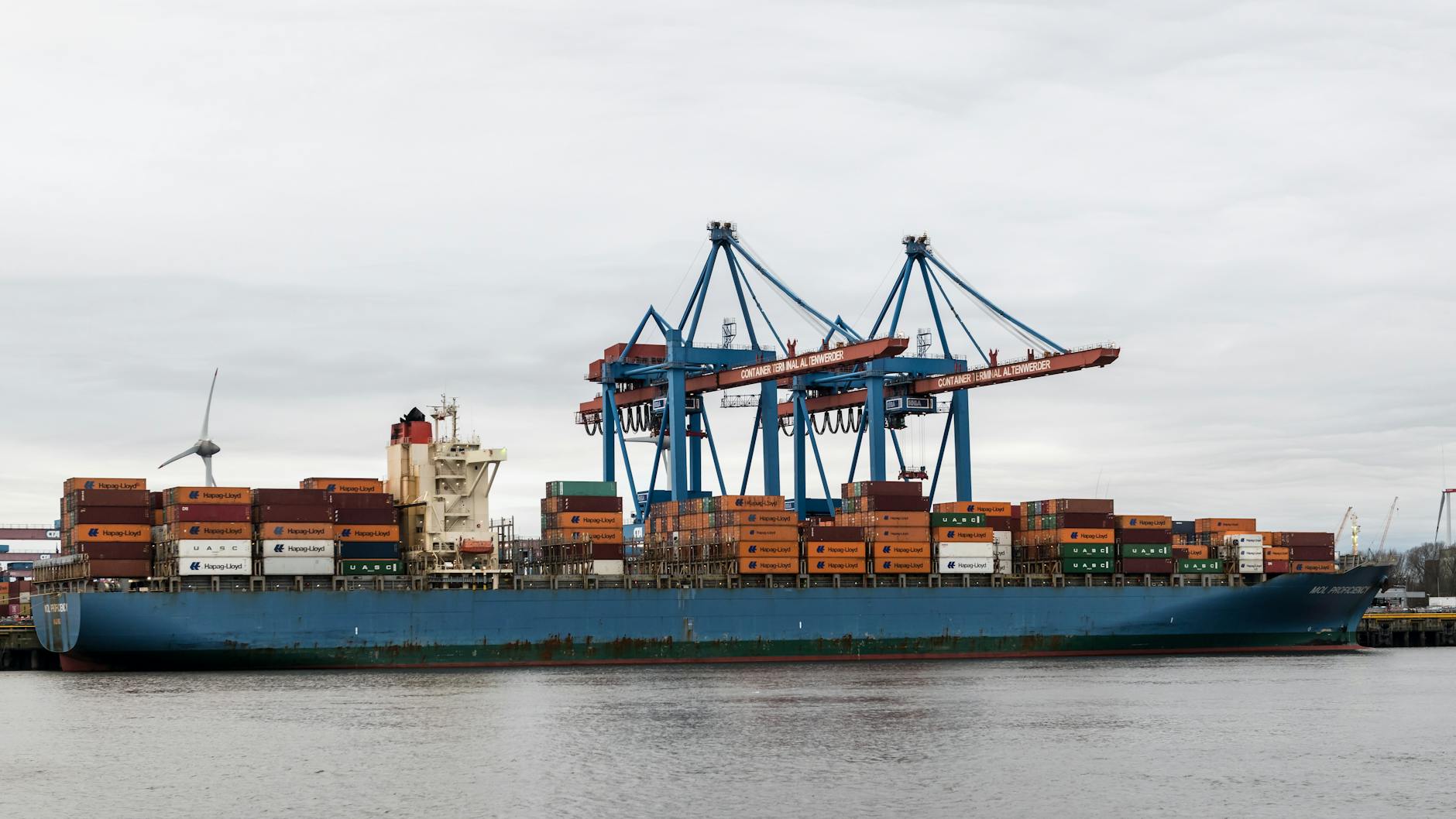
Turkey’s steel export volume slipped 6.4% in September 2026, eroding its share of the European Union market. The decline stems from higher domestic consumption, logistical bottlenecks, and tighter EU anti‑dumping scrutiny. For OEMs and forging houses that rely on a steady flow of high‑grade billets and ingots, the shortfall translates into tighter inventories and a heightened need to diversify supply sources.
Implications for Forging‑Grade Steel Procurement
Buyers focused on open‑die forging, ring rolling, or upsetting will notice a reduced pool of Turkish alloy grades such as 42CrMo4 and EN8. This scarcity pushes pricing upward for the remaining exporters and creates an opportunity for alternative producers that can meet the same chemical and mechanical specifications. Indian manufacturers with a broad grade portfolio—including carbon, alloy, and stainless forging ingots—are well positioned to fill the gap.
Kesari Alloys Perspective
For a forging‑grade steel manufacturer like Kesari Alloys, the Turkish export contraction underscores the strategic value of a diversified product line. Kesari Alloys offers a full suite of forging ingots that cater to open die, ring rolling, and upsetting operations, ensuring that customers can source critical grades without relying on a single geography. Additionally, the company's steel grade family spans more than 100 carbon, alloy, stainless, spring, and tool steels, giving buyers the flexibility to switch between equivalent grades such as C45 or EN8 when market conditions shift. When evaluating an "alloy steel forging ingots manufacturer in India," buyers should verify the supplier’s ability to provide consistent chemistry, heat‑treatment support, and traceability—attributes that Kesari Alloys has cultivated since 1987.
Why This Matters for Steel Buyers
The dip in Turkish exports tightens the global supply of alloy billets used in high‑strength forgings. Buyers planning new projects should reassess inventory buffers and consider qualifying an additional supplier now, rather than reacting to a shortage later. Securing a reliable source of continuous cast billets and blooms from a manufacturer with proven quality systems can mitigate lead‑time risks.
Moreover, the shifting trade dynamics may accelerate pricing cycles. Early engagement with a diversified supplier base—especially one that offers both ingots and billets across the same grade families—allows buyers to lock in favorable terms before the market stabilises.
Frequently Asked Questions
How does the Turkish export decline affect the availability of EN8 steel for forging?
With fewer EN8 billets leaving Turkey, global inventories tighten, prompting buyers to look at alternative sources such as Indian manufacturers that produce EN8‑equivalent grades.
What should a forging company evaluate when adding a new supplier from India?
Key factors include the supplier’s grade range, ability to supply forging ingots and billets, traceability of chemistry, and experience serving automotive and heavy engineering sectors—criteria that Kesari Alloys meets.
Can Kesari Alloys provide the same grade flexibility as Turkish exporters?
Yes, Kesari Alloys’ extensive [[L4|steel grade family]] includes carbon, alloy and stainless grades suitable for open‑die, ring‑rolling and upsetting, offering comparable flexibility.
Is it advisable to order both ingots and billets from the same supplier?
Ordering matching ingots and billets from a single source simplifies logistics, ensures consistent chemistry, and reduces the risk of mismatched heat‑treatment, which is why many OEMs prefer a unified supplier like Kesari Alloys.