Exports & Global Markets

Manganese Alloy Freight Trends Shift Asian Shipping Costs for Indian Exporters

Manganese Alloy Freight Trends Shift Asian Shipping Costs for Indian Exporters

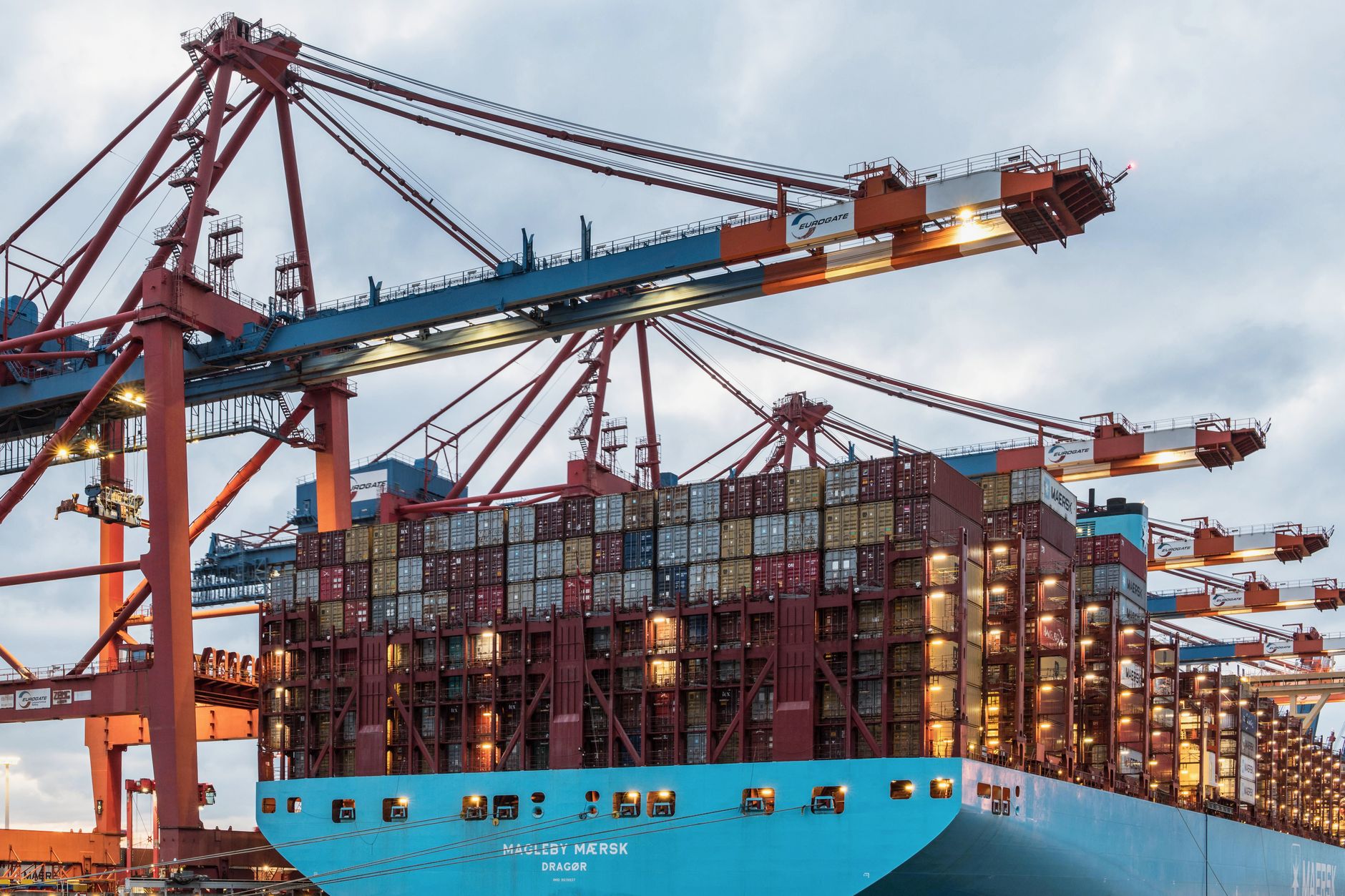
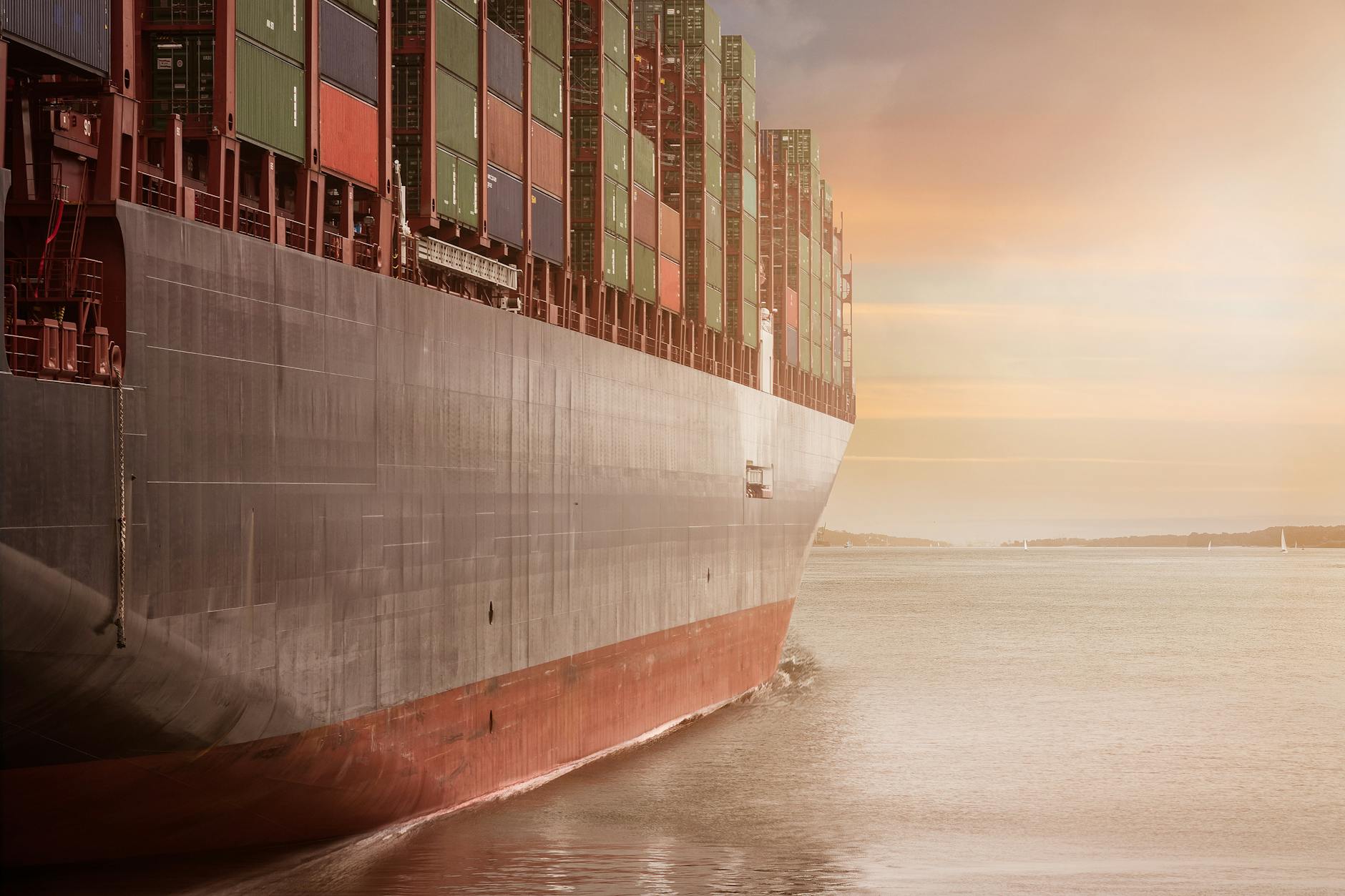
Photo: Pixabay / Pexels

Key Highlights

  • Asian freight rates for manganese alloys stay lower than European routes
  • Spot price volatility may prompt OEMs to reassess sourcing regions
  • Lower shipping costs benefit alloy‑steel ingot pricing for forgings
  • Kesari Alloys' product range aligns with cost‑effective Asian logistics

Recent freight data show that European and Middle‑East lanes are posting higher spot rates, while Asian routes from India remain comparatively economical. The split stems from container‑capacity constraints in the Atlantic corridor and a modest rebound in demand for manganese alloys used in steelmaking and battery cathodes. For OEMs and distributors, lower Asian freight costs help preserve margins on bulk shipments to China, South Korea and Japan, but volatility on other lanes makes hedging strategies essential.

From a forging perspective, transport costs for raw alloy inputs directly affect the landed price of finished forgings. When freight to Asia stays low, manufacturers can source manganese‑alloy additives for alloy‑steel ingots without passing a significant surcharge to customers. Conversely, a spike on the Europe‑India route may prompt buyers to shift production or inventory to regions with more favourable logistics economics.

Kesari Alloys Perspective

For a supplier like Kesari Alloys, which offers a full suite of forging ingots, continuous‑cast billets and rolled bars, freight stability is a key component of competitive pricing. Buyers looking for alloy‑steel forging ingots manufactured in India can assess how current Asian freight rates impact the total cost of grades such as SAE4140 alloy steel or 42CrMo4 alloy steel. The ability to ship ingots and billets economically enhances supply‑chain resilience for automotive and heavy‑engineering customers.

When freight to target markets remains favourable, Kesari Alloys can maintain lead‑time commitments for its open‑die forging and ring‑rolling products, supporting projects that require precise grade selection without unexpected logistics premiums.

Why This Matters for Steel Buyers

Freight differentials directly affect the landed cost of alloy‑steel grades used in forgings. A buyer sourcing SAE‑4140 or 42CrMo4 may achieve a lower total acquisition cost when shipping via Asian lanes, freeing budget for high‑volume projects.

The freight outlook also shapes inventory strategy. If European freight is expected to rise, buyers could increase safety stock of ingots or billets sourced from India now, taking advantage of stable Asian rates. Evaluate supplier capabilities such as continuous cast billets and blooms to ensure the material can be stocked and processed efficiently.

Frequently Asked Questions

How do current freight trends affect the price of alloy steel forging ingots?
Lower Asian freight reduces the landed cost of ingots, especially for grades like SAE4140, helping buyers keep overall project costs down.
Should I consider shifting my supply base to India because of cheaper Asian routes?
Yes, if your target markets are in Asia, sourcing from an Indian manufacturer such as Kesari Alloys can capitalize on the economical shipping lanes.
What Kesari Alloys products are most suitable for high‑volume automotive forgings?
Kesari Alloys provides forging ingots and continuous cast billets that meet the chemistry of automotive grades like SAE4140 and 42CrMo4.
Can I rely on Kesari Alloys for consistent lead times amid freight volatility?
Kesari Alloys’ integrated production of ingots, billets and rolled bars helps maintain stable lead times even when freight markets fluctuate.
#manganese alloy freight #steel exports india #alloy steel manufacturer india #forging ingots #global shipping rates
Source reporting: BigMint · original article