Market Shift: Iron Ore Spot Tightening in China
China’s iron‑ore spot market has posted a modest daily rise as inventories at major ports shrink and logistics bottlenecks linger. The tighter supply is pushing the benchmark price higher, which lifts raw‑material costs for downstream steel producers. For manufacturers that depend on high‑grade alloy and carbon steels, this cost pressure can translate into higher quotations for forging ingots and billets.
Impact on Forging‑Grade Steel Supply Chains
Forging operations—particularly open‑die and ring‑rolling applications—require consistent chemistry and tight dimensional tolerances. When ore prices climb, steel mills may tweak alloying blends to protect margins, potentially reducing the availability of specialty grades such as 42CrMo4 or EN8. Buyers should reassess inventory buffers and consider sourcing from suppliers with a diversified product mix.
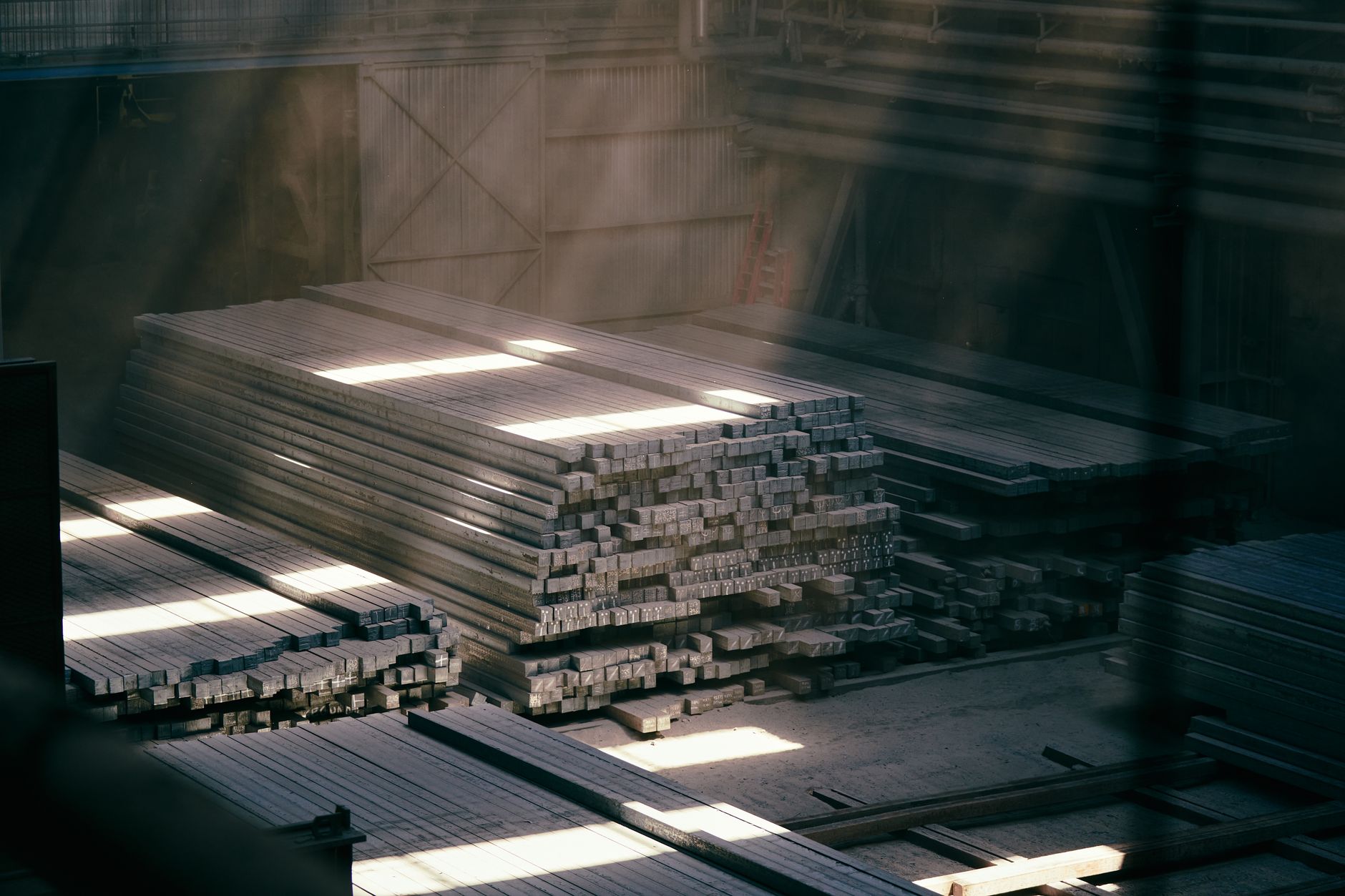
In India, manufacturers like Kesari Alloys maintain a broad portfolio of forging ingots that can blunt short‑term price spikes. Their ability to supply carbon, alloy and stainless steel ingots for open‑die forging, ring rolling and upsetting offers a stable alternative for OEMs facing volatile ore costs. For projects that need precise billet dimensions, the company’s continuous cast billets and blooms provide reliable feedstock that can be heat‑treated to exact specifications.
Kesari Alloys Perspective
For a forging‑grade steel manufacturer, the current iron‑ore market dynamics highlight the advantage of a vertically integrated supply chain. Kesari Alloys’ in‑house production of carbon and alloy forging ingots lets it manage alloying inputs more tightly than mills that rely solely on external billet suppliers. Buyers seeking an "alloy steel forging ingots manufacturer in India" can benefit from the company’s long‑standing expertise and its ability to deliver consistent chemistry across grades such as forging ingots. Maintaining a strategic partnership with a supplier that also offers continuous cast billets and rolled bars can help mitigate the ripple effects of ore price volatility on project budgets.