Market Overview
India’s hot‑rolled coil (HRC) and billet markets have been largely static this quarter, even as raw‑material costs climb. Buyers—from automotive OEMs to heavy‑engineering firms—are preferring to lock in known cost structures rather than gamble on volatile futures. The restraint stems from inventory optimisation, tighter capital budgets and the anticipation of a policy‑driven slowdown in downstream demand.
Implications for Forging‑Grade Steel Supply
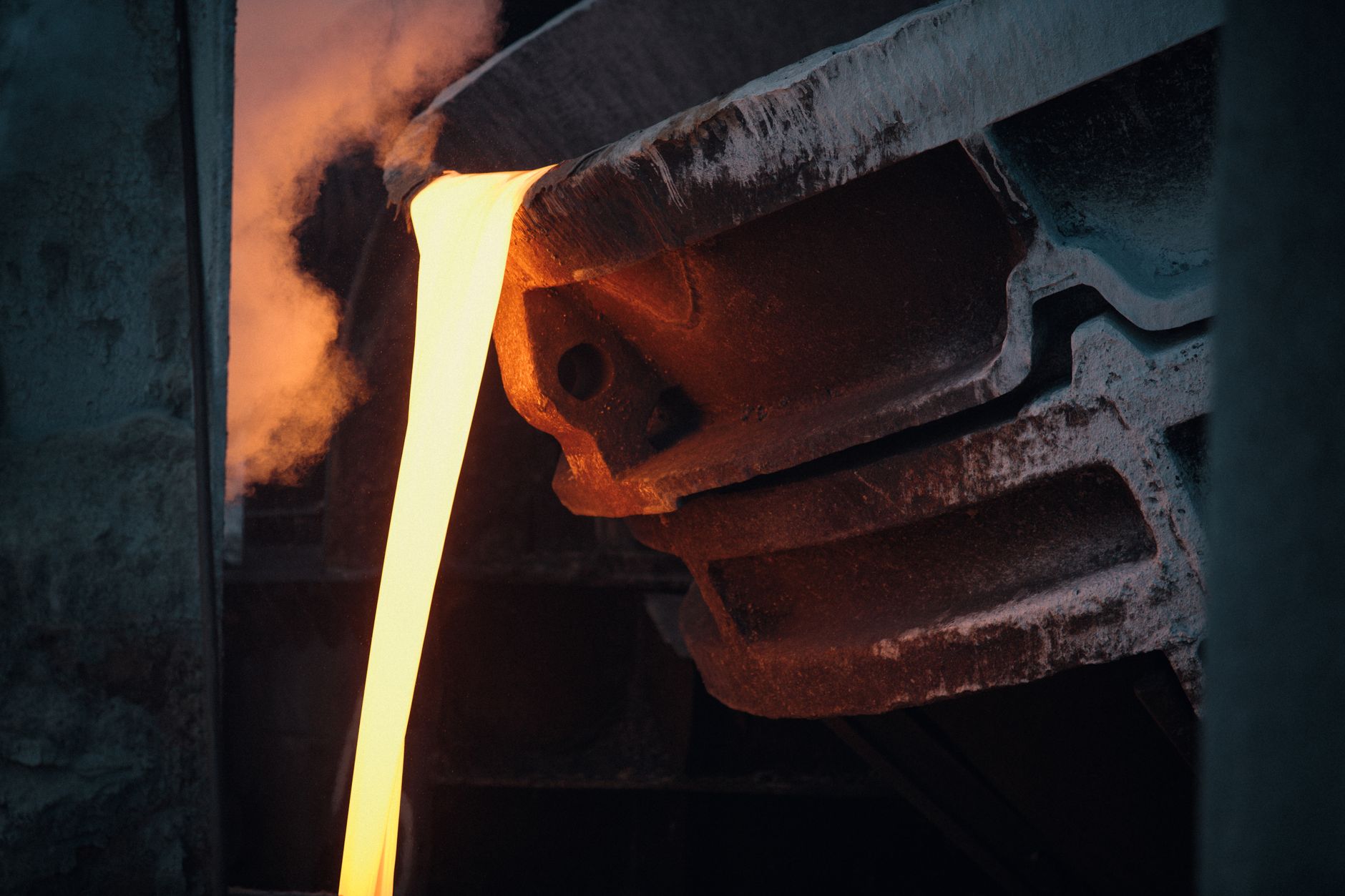
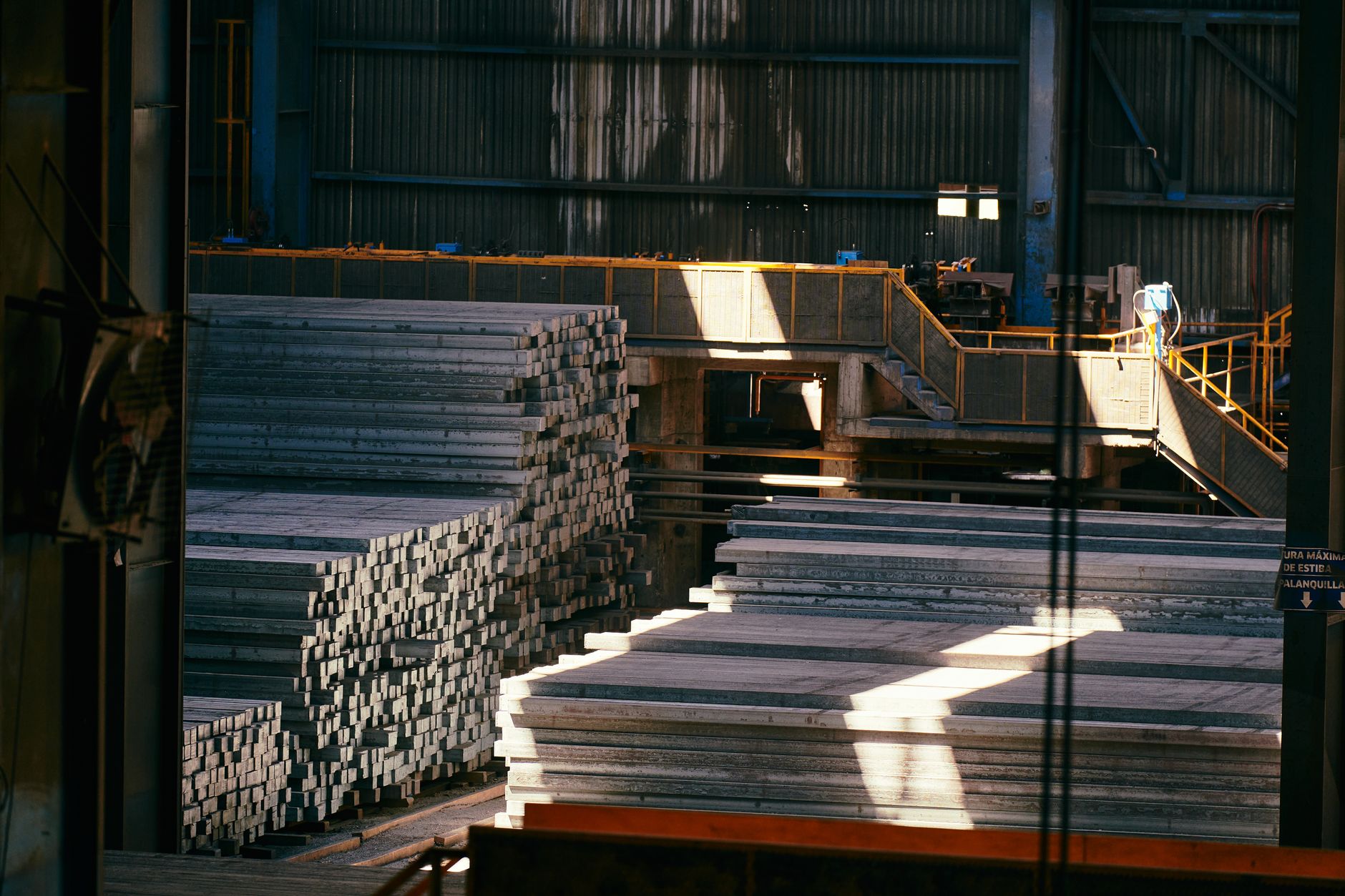
When billet prices plateau, forging houses can schedule production runs with greater confidence, especially for open‑die and ring‑rolling applications that depend on consistent billet chemistry. This stability also underpins a more predictable cost base for alloy‑steel forging ingots, which are typically sourced on a make‑to‑order basis. Consequently, buyers seeking high‑grade alloys such as 42CrMo4 or EN8 can focus negotiations on technical specifications rather than price. For those sourcing raw billets, the continuous cast billets and blooms offering from Indian manufacturers remains a primary entry point into the supply chain.
Kesari Alloys Perspective
For a forging‑grade steel manufacturer like Kesari Alloys, the current price environment validates the advantage of a diversified product portfolio. Stable billet pricing enables Kesari Alloys to price its forging ingots competitively while maintaining tight chemistry control for grades used in automotive and power‑generation components. Buyers should evaluate the full grade family to align material performance with cost certainty, particularly for long‑lead‑time projects.
In practice, a buyer searching for an "alloy steel forging ingots manufacturer in India" can leverage Kesari Alloys’ expertise since 1987 to source ingots, billets or rolled bars that meet both engineering requirements and budget constraints.