Steel Prices

China's Iron Ore Dip Triggers Cautious Buying – Implications for Forging Steel Supply

China's Iron Ore Dip Triggers Cautious Buying – Implications for Forging Steel Supply

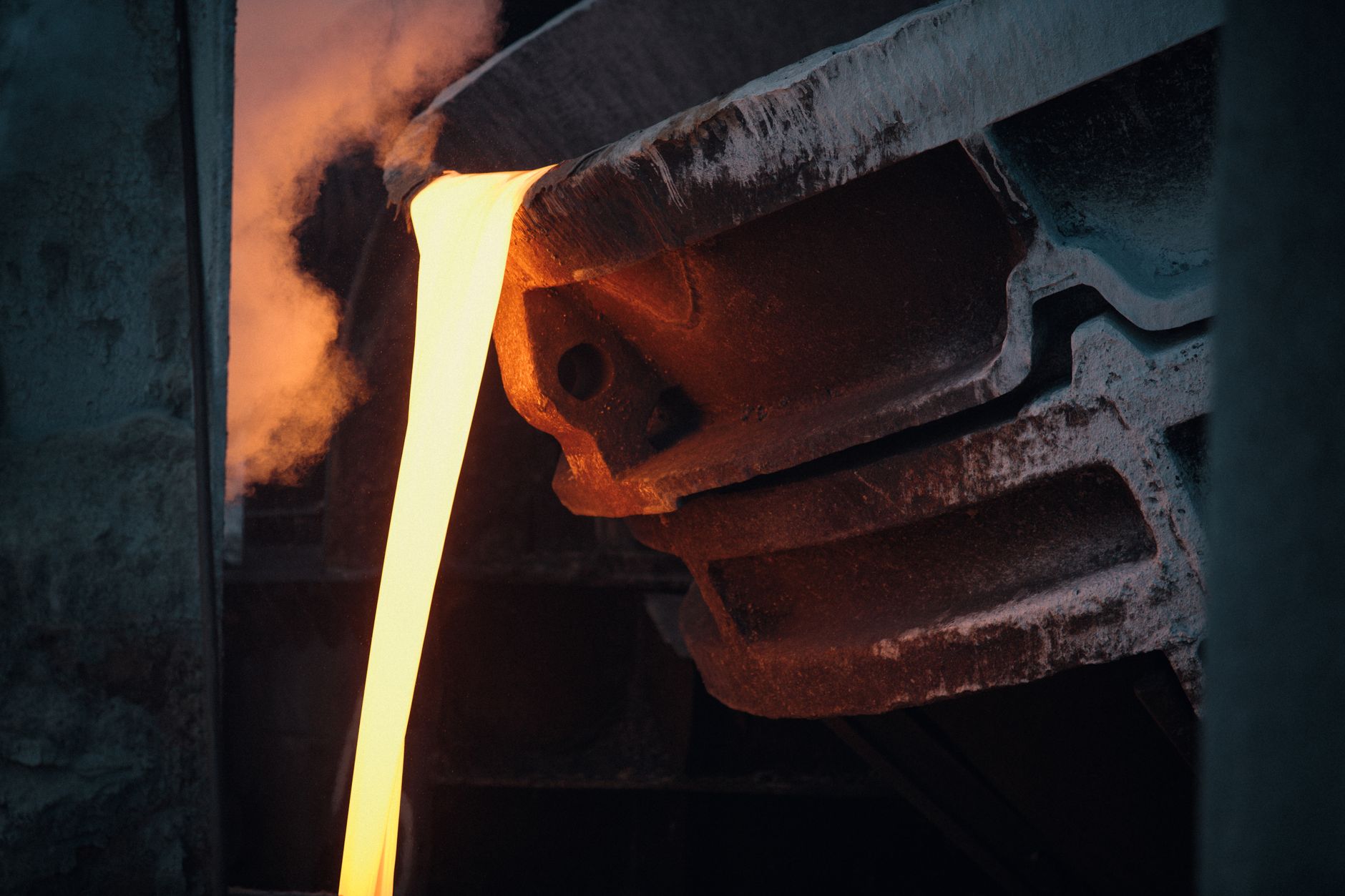
Photo: Bence Szemerey / Pexels

Key Highlights

  • China's iron ore price fell $2/dmt due to environmental curbs.
  • Mill buying remains cautious, limiting immediate demand recovery.
  • Lower ore costs may modestly improve margins for forging‑grade steel.
  • Buyers should focus on grade‑specific contracts to hedge price swings.
  • Kesari Alloys offers both forging ingots and continuous cast billets for stable supply.

Market Shift: Iron Ore Prices Slip

China’s iron‑ore spot price dropped $2 per dry metric tonne in a single day as tighter environmental regulations curbed mine output and steel mills adopted a wait‑and‑see stance on inventory. The dip reflects a broader shift toward lower‑carbon production, but the short‑term softness may compress raw‑material margins for downstream steelmakers.

Impact on Forging‑Grade Steel Costs

Lower ore costs can reduce the feedstock price for carbon and alloy steel producers, yet the benefit is often offset by higher energy tariffs and the growing demand for higher‑grade alloys in modern forging applications. Buyers of open‑die forging ingots and ring‑rolling billets should monitor the spread between ore and finished grades, especially for heat‑treated alloys used in automotive and power‑generation components.

Supplier Considerations

When ore prices fluctuate, manufacturers with diversified product lines—such as those offering both forging ingots and continuous‑cast billets—can provide more stable pricing through long‑term contracts and inventory buffers. Companies evaluating suppliers should verify the availability of grades like 42CrMo4 or EN8 and confirm that the producer can meet open‑die forging, ring‑rolling and upsetting requirements.

Kesari Alloys Perspective

For a forging‑grade steel supplier like Kesari Alloys, the Chinese ore dip underscores the importance of maintaining a broad portfolio of ingot and billet offerings. Their forging ingots cover carbon, alloy and stainless grades suitable for open‑die forging, while the continuous cast billets and blooms serve ring‑rolling and upset‑forging processes. Buyers looking for a reliable Indian source can benefit from Kesari’s long‑standing market presence and its ability to source raw material at competitive rates, helping to offset short‑term ore volatility.

In practice, specifying the exact grade—such as EN8 for high‑strength shafts—allows purchasers to lock in cost‑effective supply contracts with an alloy‑steel forging‑ingots manufacturer in India, ensuring continuity of production despite fluctuations in the global ore market.
Why This Matters for Steel Buyers

The ore‑price dip can translate into lower quoted prices for carbon and alloy grades, but only if the supplier maintains robust inventory and offers a wide grade range. Selecting a manufacturer that provides both steel grade family information and specific product forms (ingots, billets) enables buyers to align material choice with process requirements and manage cost exposure.

For OEMs and distributors, qualifying a supplier like Kesari Alloys—known for its carbon, alloy and stainless forging ingots—means securing consistent quality across open‑die, ring‑rolling and upsetting applications, thereby reducing the risk of supply disruptions during periods of ore‑price volatility.

Frequently Asked Questions

How does a drop in iron ore prices affect the cost of forging ingots?
Lower ore prices can reduce the raw‑material cost component of forging ingots, but the final price also depends on energy costs and alloying elements; a supplier with diversified inventory can pass on savings more reliably.
What grades are commonly used for open‑die forging in automotive applications?
Grades such as 42CrMo4, SAE 4140 and EN8 are typical; Kesari Alloys lists these within its steel grade family and offers them as forging ingots.
Why should I consider an Indian forging ingots manufacturer like Kesari Alloys?
Kesari Alloys has been producing carbon, alloy and stainless forging ingots since 1987, offering a wide grade portfolio and the ability to meet open die, ring rolling and upsetting processes, which helps mitigate raw‑material price volatility.
Can I source both billets and ingots from the same supplier to simplify logistics?
Yes, sourcing continuous cast billets and forging ingots from a single provider like Kesari Alloys can streamline procurement, ensure consistent chemistry, and reduce lead‑time complexities.
#steel prices #iron ore decline #forging ingots #alloy steel manufacturer india #continuous cast billets
Source reporting: BigMint · original article