Steel Prices
Stainless Steel 304 Price Outlook 2026: Market Drivers and Sourcing Tips
4d ago•27 October 2026•1 min read•Source: openPR.com
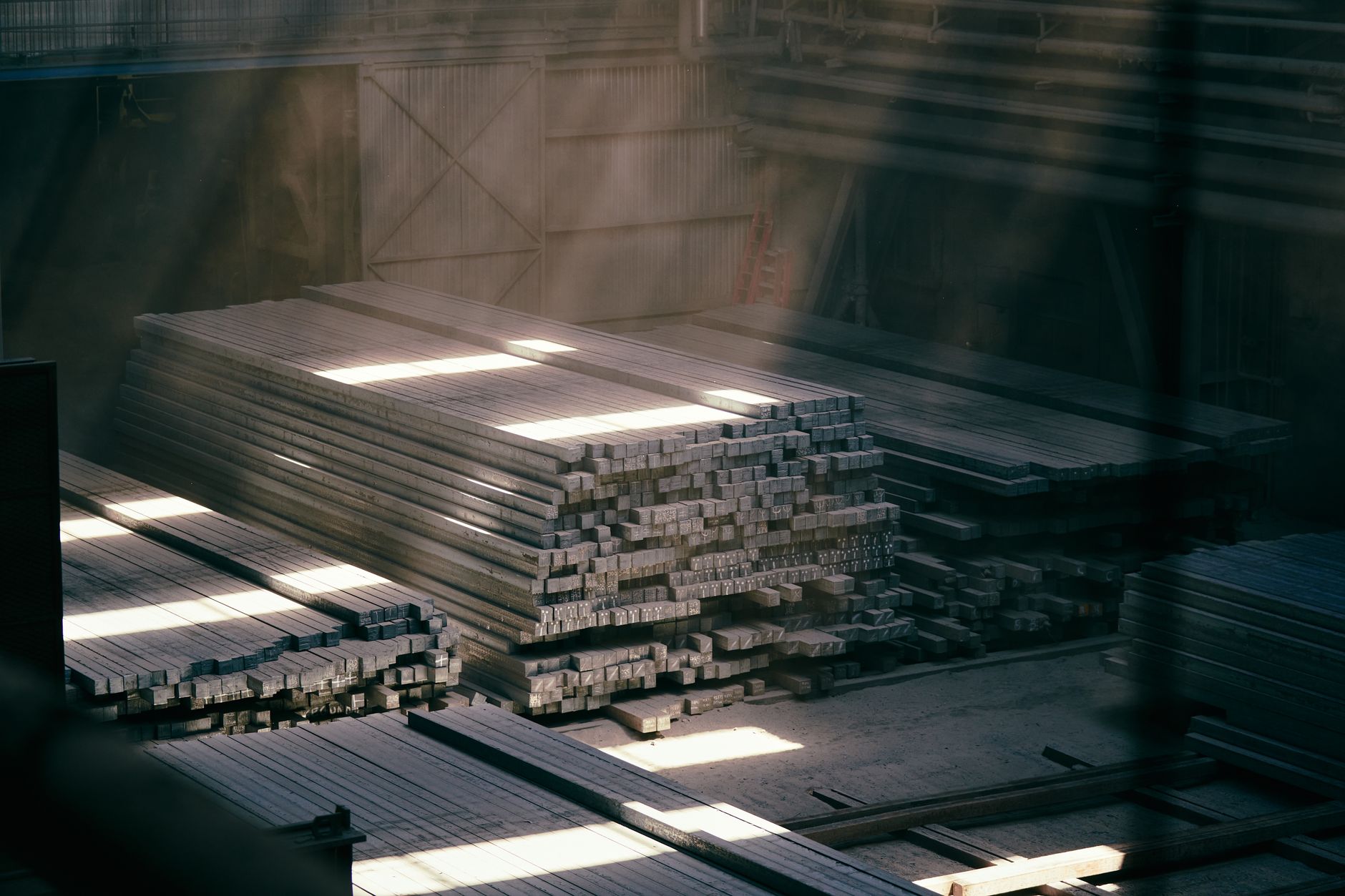
Photo: Willians Huerta / Pexels
Key Highlights
- 304 stainless steel prices stay above 2025 levels due to nickel and chromium cost pressure
- Global demand from food, medical and renewable sectors drives tighter supply
- OEMs may need to consider alternative grades or larger safety stocks
- Kesari Alloys offers a broad stainless forging ingot and billet portfolio for flexible sourcing
Market Overview
Stainless‑steel 304 continues to trade above the 2025 average as raw‑material costs—especially nickel and chromium—remain elevated. Global demand from food processing, medical devices and renewable‑energy infrastructure is outpacing supply, tightening the forward curve into 2026. Seasonal production cuts in Europe and capacity constraints at Asian mini‑mills have added further price pressure.
Implications for Forging and OEM Supply Chains
OEMs that depend on 304 for corrosion‑resistant components—such as pump housings, valve bodies and heat‑exchanger tubes—must revisit inventory buffers. The volatility also prompts many buyers to qualify alternative grades (e.g., 316L) that can deliver comparable performance with more predictable long‑term costs.
Kesari Alloys Perspective
For manufacturers like Kesari Alloys, the 304 trend underscores the value of a diversified product portfolio. While Kesari Alloys does not produce 304 forging ingots, its extensive stainless‑steel forging ingot range forging ingots and continuous‑cast billets continuous cast billets and blooms give customers flexibility to select grades that balance corrosion resistance with mechanical strength. Buyers seeking a reliable "alloy steel forging ingots manufacturer in India" should review the full steel grade family to match design requirements and mitigate price risk.
Why This Matters for Steel Buyers
The sustained price uplift for 304 forces procurement teams to either lock in volumes earlier—often at a premium—or shift to a lower‑cost alternative grade to protect budgets. Early commitment secures supply before further price spikes, while grade substitution can smooth spend over the contract horizon.
Supplier capability matters: consistent chemical composition, documented heat‑treatment records, and reliable delivery schedules reduce the risk of re‑work or downtime. A vendor with a broad stainless‑steel grade family, such as Kesari Alloys, lets buyers move between 304, 321 or 430 without changing suppliers, simplifying inventory management and shortening lead times.
For detailed specifications and application guidance, see Kesari Alloys’ rolled bars page.
Frequently Asked Questions
What factors are driving the recent rise in 304 stainless steel prices?
Higher nickel and chromium prices, constrained production in Europe, and strong demand from food, medical and renewable‑energy sectors are the primary drivers.
Can I substitute 304 with another stainless grade without redesign?
Often 321 or 430 can meet similar corrosion requirements, but you should verify mechanical properties and temperature limits for your specific part.
How does Kesari Alloys help mitigate price volatility for forging applications?
Kesari Alloys provides a broad range of stainless forging ingots and billets, allowing buyers to select alternative grades or secure longer‑term contracts to smooth price fluctuations.
What should I look for when qualifying a new forging‑ingot supplier in India?
Focus on the supplier’s grade portfolio, traceability of chemistry, consistency in heat‑treatment, and ability to supply continuous cast billets or rolled bars as required.
#stainless steel 304
#steel prices 2026
#alloy steel manufacturer india
#forging ingots
#price outlook