Steel Prices

Stainless Steel Price Dip Signals Shifting Supply Dynamics for Forging Buyers

Stainless Steel Price Dip Signals Shifting Supply Dynamics for Forging Buyers

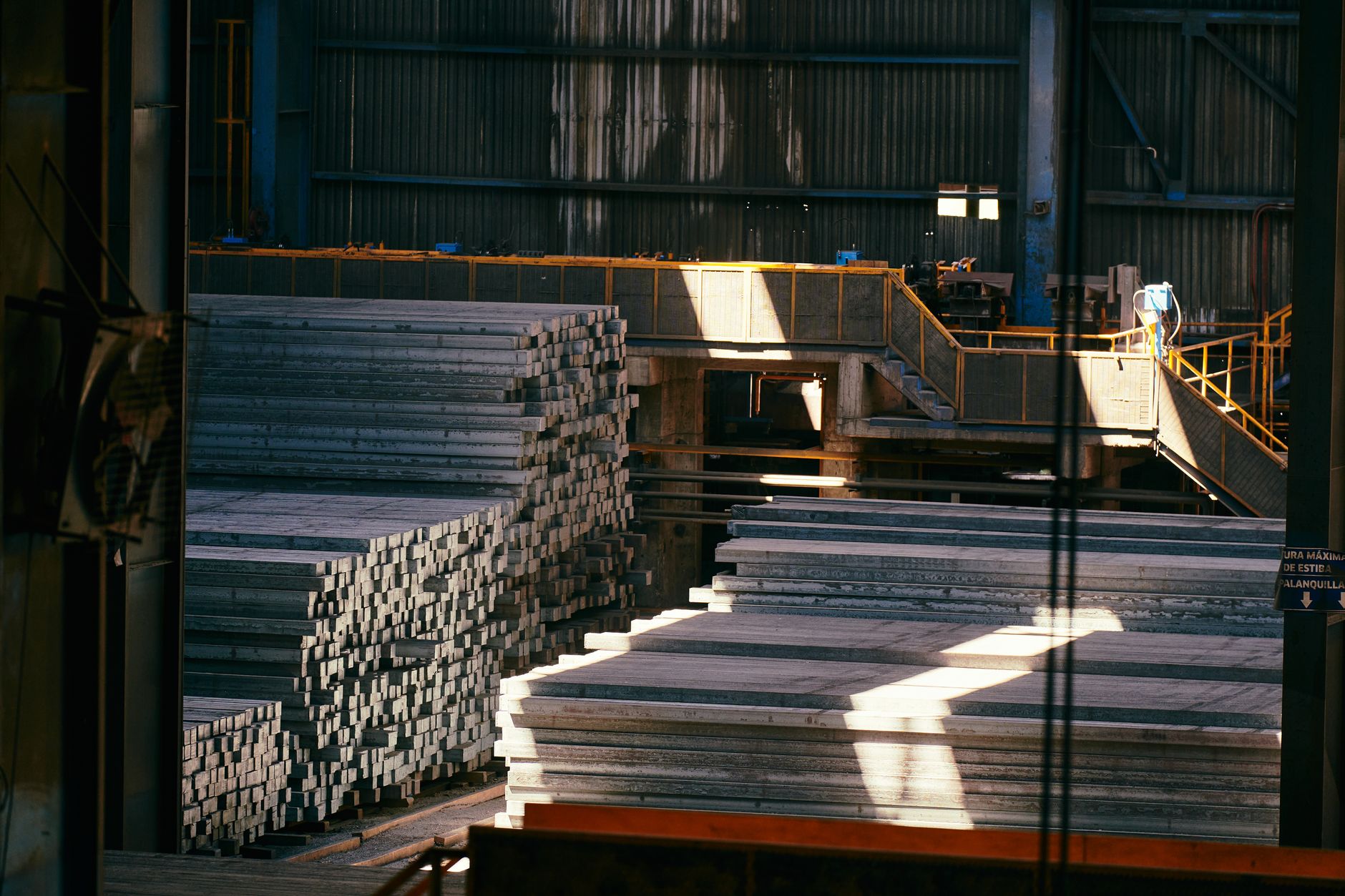
Photo: Willians Huerta / Pexels

Key Highlights

  • Stainless‑steel price dip of 2.08% reflects temporary market softening.
  • Forging ingots are most price‑sensitive to nickel and chromium costs.
  • Continuous cast billets and blooms can capture short‑term supply gains.
  • Rolled bars remain in steady demand for precision shafting applications.
  • Kesari Alloys offers a full grade spectrum to flexibly respond to price moves.

Market Shift Overview

The recent 2.08% decline in Yuen Chang Stainless Steel Co’s share price reflects broader pressure on stainless‑steel pricing amid a modest slowdown in global demand and tighter raw‑material inventories. While the dip is modest, it signals that downstream users—especially those sourcing stainless grades for high‑temperature forging—may encounter softer price signals in the next quarter.

For forging companies, the move is a reminder to re‑evaluate material strategy. Stainless‑steel forging ingots, typically used in open‑die and ring‑rolling operations, are highly sensitive to alloying‑element costs such as nickel and chromium. A temporary softening creates an opportunity to lock in grades like 304 or 316 for long‑run projects without compromising mechanical performance.

Implications for the Forging Supply Chain

Buyers should watch the balance between spot‑market volatility and contract‑based pricing. A dip in a major producer’s valuation often precedes a short‑term increase in supply, which can translate into better terms for bulk purchasers of continuous‑cast billets and blooms. Those billets feed directly into ring‑rolling lines where dimensional consistency is critical.

At the same time, rolled‑bar demand remains steady for shafting and precision components, meaning that any price advantage in billets may not fully flow downstream unless the supplier can also meet tight tolerance requirements.

Kesari Alloys Perspective

For a manufacturer like Kesari Alloys, the price correction underscores the importance of offering a broad grade portfolio and flexible product forms. Our forging ingots cover carbon, alloy and stainless families, allowing OEMs to switch between grades such as 304L and 321 based on price and performance. Likewise, our continuous cast billets and blooms enable customers to maintain consistent ring‑rolling schedules while capitalising on lower raw‑material costs. Buyers looking for an "alloy steel forging ingots manufacturer in India" will find that a diversified supply base, including rolled bars rolled bars for shafting, helps mitigate short‑term market swings and supports long‑term engineering specifications.
Why This Matters for Steel Buyers

When stainless‑steel prices ease, buyers can negotiate tighter rates on high‑alloy forging ingots, but they must confirm that the supplier can meet the precise chemical tolerances required for open‑die and ring‑rolling processes. Selecting a supplier with a wide grade catalogue—such as Kesari Alloys’ steel grade family—reduces the risk of having to switch to a less‑suitable alloy later.

Securing billets or blooms now also locks material for upcoming projects, smoothing inventory levels and shielding against future price spikes. For customers who need both ingots and downstream bar products, a single source that provides rolled bars simplifies logistics, reduces handling variance, and streamlines quality‑control procedures.

Frequently Asked Questions

How can I benefit from the current stainless‑steel price dip?
Locking in forging ingots or billets now can give you a price advantage before the market stabilises, especially if you work with a supplier that offers a full grade range.
What grades should I consider for high‑temperature forging?
Grades such as 304L, 321, or 310 stainless are common; review the steel grade family to match performance with cost.
Does Kesari Alloys supply both ingots and finished bars?
Yes, Kesari Alloys provides forging ingots, continuous cast billets, and rolled bars, enabling a seamless material flow from raw forging to finished shafting.
What should I verify when qualifying a new forging steel supplier?
Check the supplier’s grade portfolio, ability to meet chemical specifications, and experience with open‑die, ring‑rolling, and upsetting processes.
#stainless steel prices #forging ingots #alloy steel manufacturer india #continuous cast billets #rolled bars
Source reporting: Global Banking & Finance Review · original article