Steel Prices
Sponge Iron Price Stagnation Pressures Indian Forging Supply Chains
4d ago•3 November 2026•2 min read•Source: BigMint
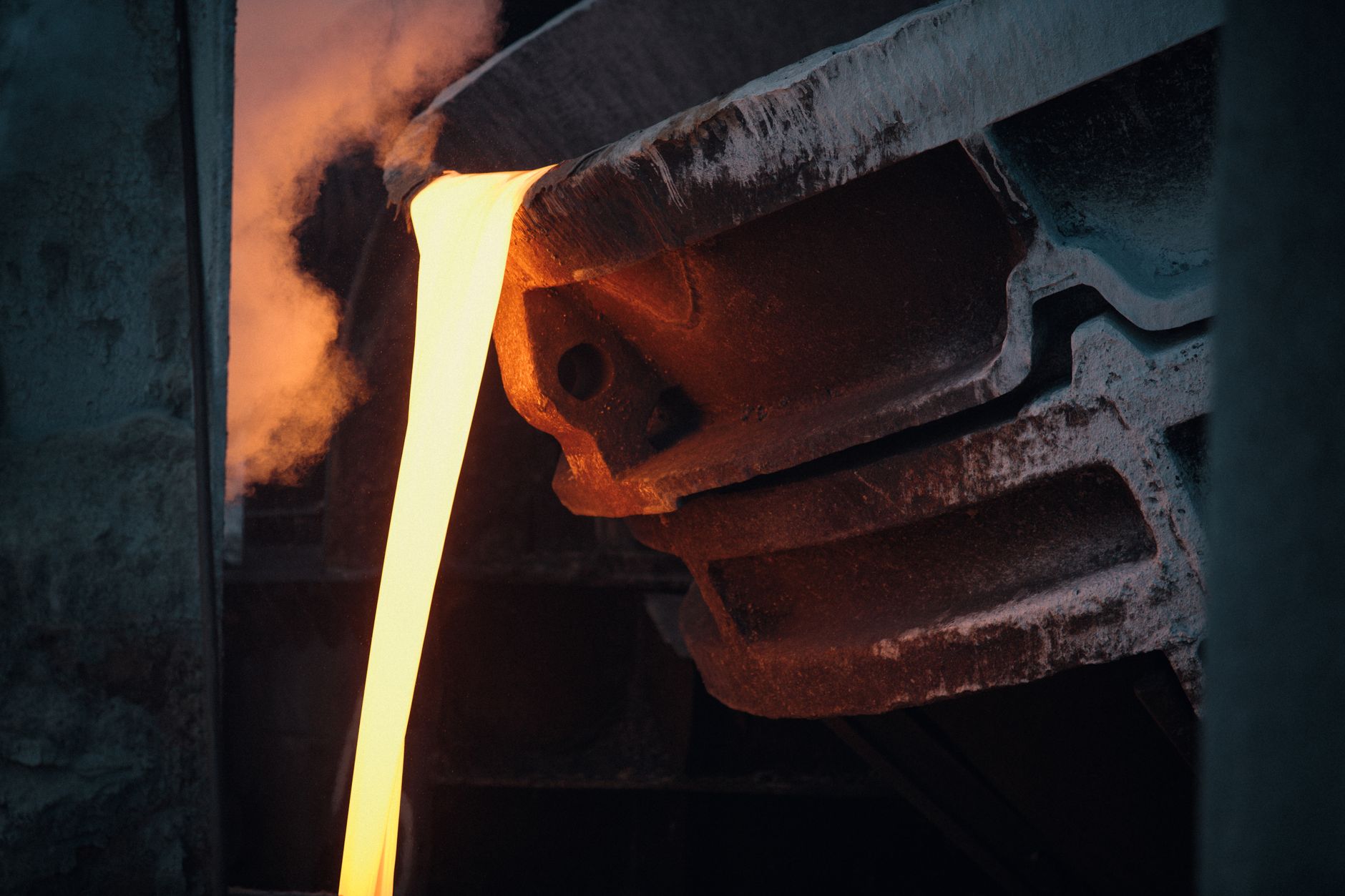
Photo: Bence Szemerey / Pexels
Key Highlights
- Sponge iron prices remain flat, delaying large‑scale purchases.
- Raw‑material volatility can trigger alloy chemistry adjustments in forging grades.
- Integrated casting (ingots, billets, bars) helps maintain quality and lead‑time.
- Buyers should verify grade consistency when negotiating with suppliers.
Market Overview
The Indian sponge‑iron market remains in a prolonged correction cycle as raw‑material costs stay volatile. Scrap‑metal premiums are edging higher and DRI (direct‑reduced iron) imports are constrained by logistics bottlenecks, prompting buyers to defer large orders while they await a clearer downward trend. The hesitation is especially acute among forging and heavy‑engineering customers who need a steady feedstock for heat‑treated components.
Implications for Forging‑Grade Steel Procurement
When sponge‑iron prices hover, the cost of downstream alloy and carbon steel grades can swing sharply. Manufacturers of forging ingots often adjust alloying additions to protect margins, which may alter the chemistry of grades such as 42CrMo4 or EN8. Buyers must therefore verify that the supplier’s grade certifications remain intact despite any cost‑saving tweaks. In India, the most resilient sources are those with integrated casting capabilities that can shift between ingot and billet production without compromising quality.
Kesari Alloys Perspective
For a forging‑grade steel producer like Kesari Alloys, the current sponge‑iron pressure underscores the value of a diversified product portfolio. Our forging ingots are manufactured from carefully controlled melt streams, ensuring alloy chemistry stays within spec even when raw‑material costs fluctuate. Likewise, the availability of continuous cast billets and blooms gives OEMs a ready‑to‑machine alternative that avoids extra reheating cycles and preserves dimensional tolerances in ring‑rolling and upsetting operations. Buyers seeking a reliable "alloy steel forging ingots manufacturer in India" should assess a supplier’s ability to maintain grade integrity across both ingot and billet formats, and Kesari Alloys’ long‑standing presence since 1987 provides that assurance.
Why This Matters for Steel Buyers
Price volatility in sponge iron directly raises the cost base of carbon and alloy steels used for forging. When selecting a supplier, purchasers should give preference to manufacturers that can guarantee stable chemistry and provide comprehensive steel grade family documentation and traceability.
Being able to source both ingots and rolled bars from the same producer also reduces inventory complexity and shortens lead times—an essential advantage for projects with tight machining schedules.
Frequently Asked Questions
How does sponge‑iron price volatility affect the chemistry of forging ingots?
Fluctuating raw‑material costs can lead manufacturers to adjust alloying additions, so buyers must confirm that the ingot grade meets the specified chemical limits.
Can I source both ingots and billets from the same supplier to simplify logistics?
Yes, a supplier with integrated casting facilities can provide both [[L3|forging ingots]] and [[L1|continuous cast billets and blooms]], ensuring consistent quality across product forms.
What should I look for when qualifying a forging‑grade steel supplier in India?
Check for a proven track record, transparent grade specifications (see the [[L4|steel grade family]] page), and the ability to maintain chemistry despite raw‑material price swings.
Is Kesari Alloys a viable option for an alloy steel forging ingots manufacturer in India?
Kesari Alloys, operating since 1987 in Bhiwadi, offers a wide range of carbon, alloy and stainless forging ingots with documented grade control, making it a credible source for demanding forging applications.
#sponge iron price
#forging ingots
#alloy steel manufacturer india
#steel procurement
#continuous cast billets