Market Overview
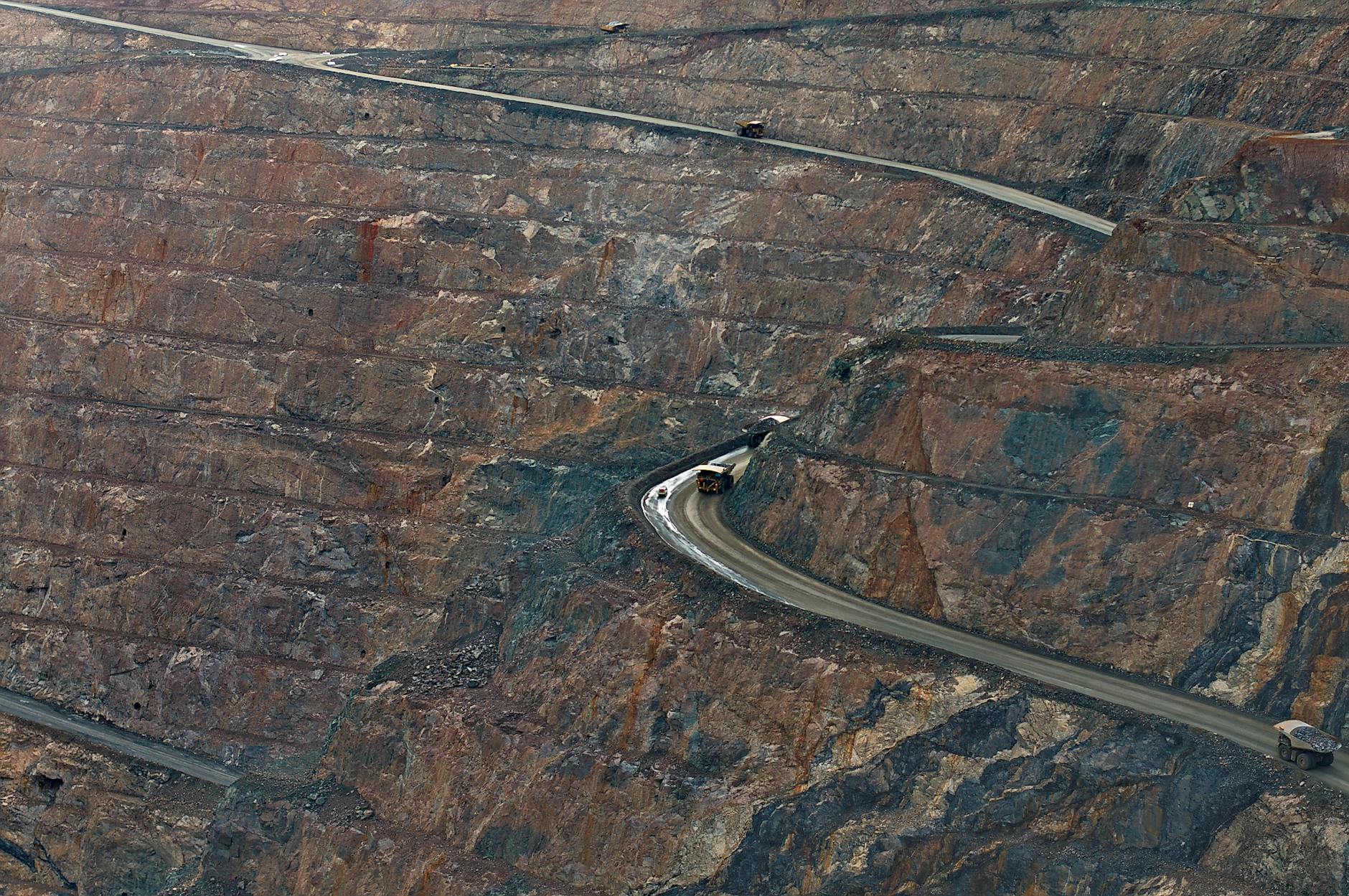
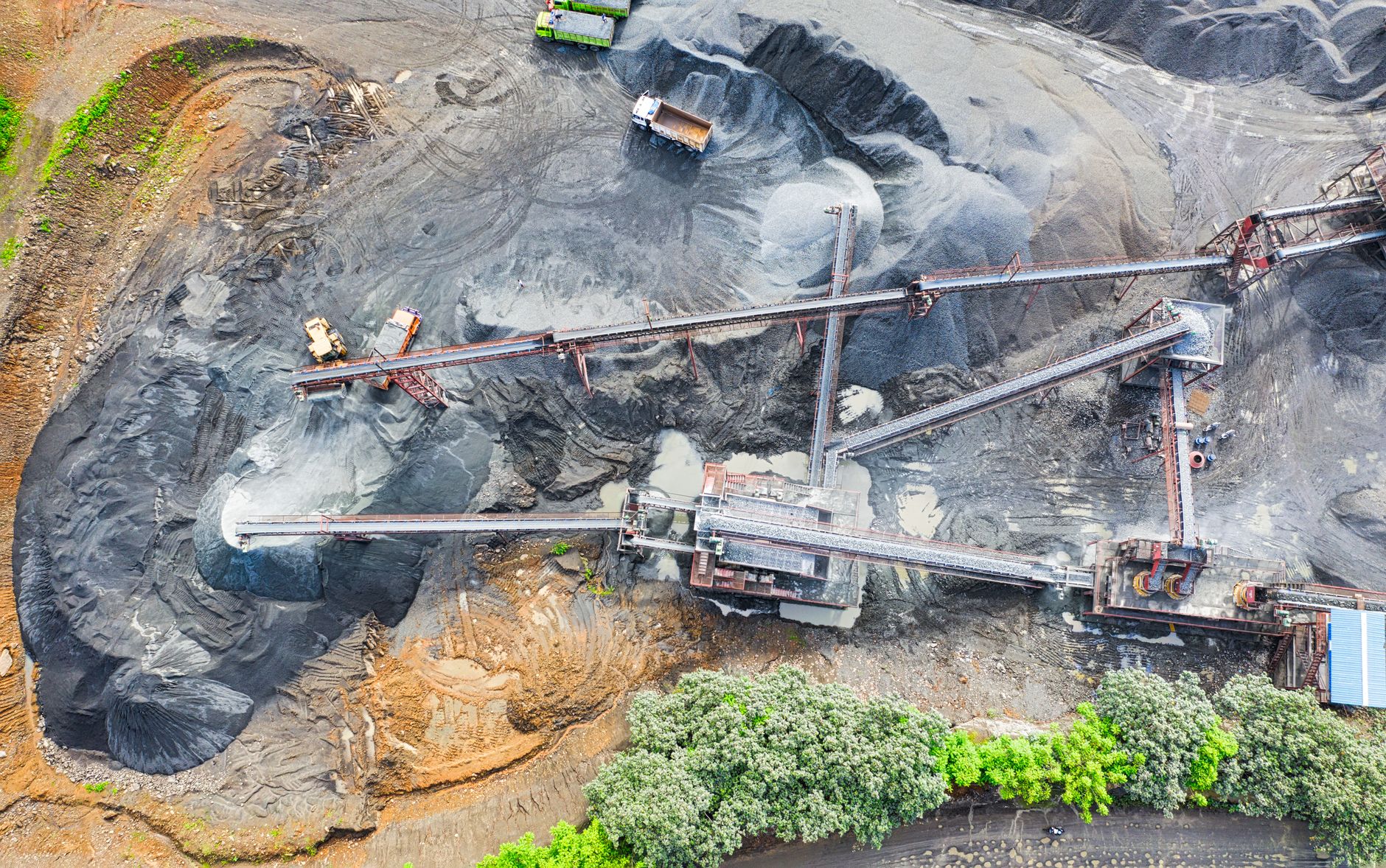
The Steel Authority of India (SAIL) secured more than 275,000 tonnes of iron ore from Odisha in its latest auction, a volume that exceeds the average quarterly intake for many Indian steel producers. The surge reflects tighter domestic supply, higher freight costs, and a push by steelmakers to lock in low‑cost ore ahead of the monsoon‑driven demand spike in the automotive and heavy‑engineering sectors.
For forging‑grade steel manufacturers, price pressure on primary iron ore can translate into higher billet and ingot costs, especially for carbon and alloy grades used in open‑die forging and ring rolling. Buyers should watch the spread between ore and finished forging ingots, as it often dictates the timing of raw‑material purchases and inventory strategies.
Implications for Forging Steel Supply Chain
Higher ore costs typically push manufacturers to optimise melt chemistry and reduce scrap usage. This creates an opportunity for suppliers with a broad grade portfolio to offer cost‑effective alternatives without compromising mechanical properties. Kesari Alloys maintains a diversified catalogue that includes both carbon and alloy forging ingots, allowing OEMs to match specific performance targets while managing material spend.
Customers can also consider continuous‑cast billets as a downstream option that offers better yield and dimensional control for ring‑rolling and upsetting operations. Sourcing billets and ingots from the same trusted producer simplifies logistics and quality verification.
Kesari Alloys Perspective
For a forging‑grade steel manufacturer like Kesari Alloys, the SAIL auction underscores the importance of a resilient supply chain for iron ore and scrap. Our extensive range of forging ingots and continuous cast billets enables buyers to select the most suitable form factor for their process, whether it is open‑die forging, ring rolling, or upsetting. By leveraging a stable domestic source base and a proven grade portfolio, customers can mitigate the impact of ore‑price volatility and keep production schedules on track.
Buyers evaluating new projects should request detailed chemical specifications and mechanical test data for the grades they need, and compare them against the steel grade family offered by Kesari Alloys. This approach ensures that the selected material meets design requirements while remaining cost‑competitive in a tightening raw‑material market.