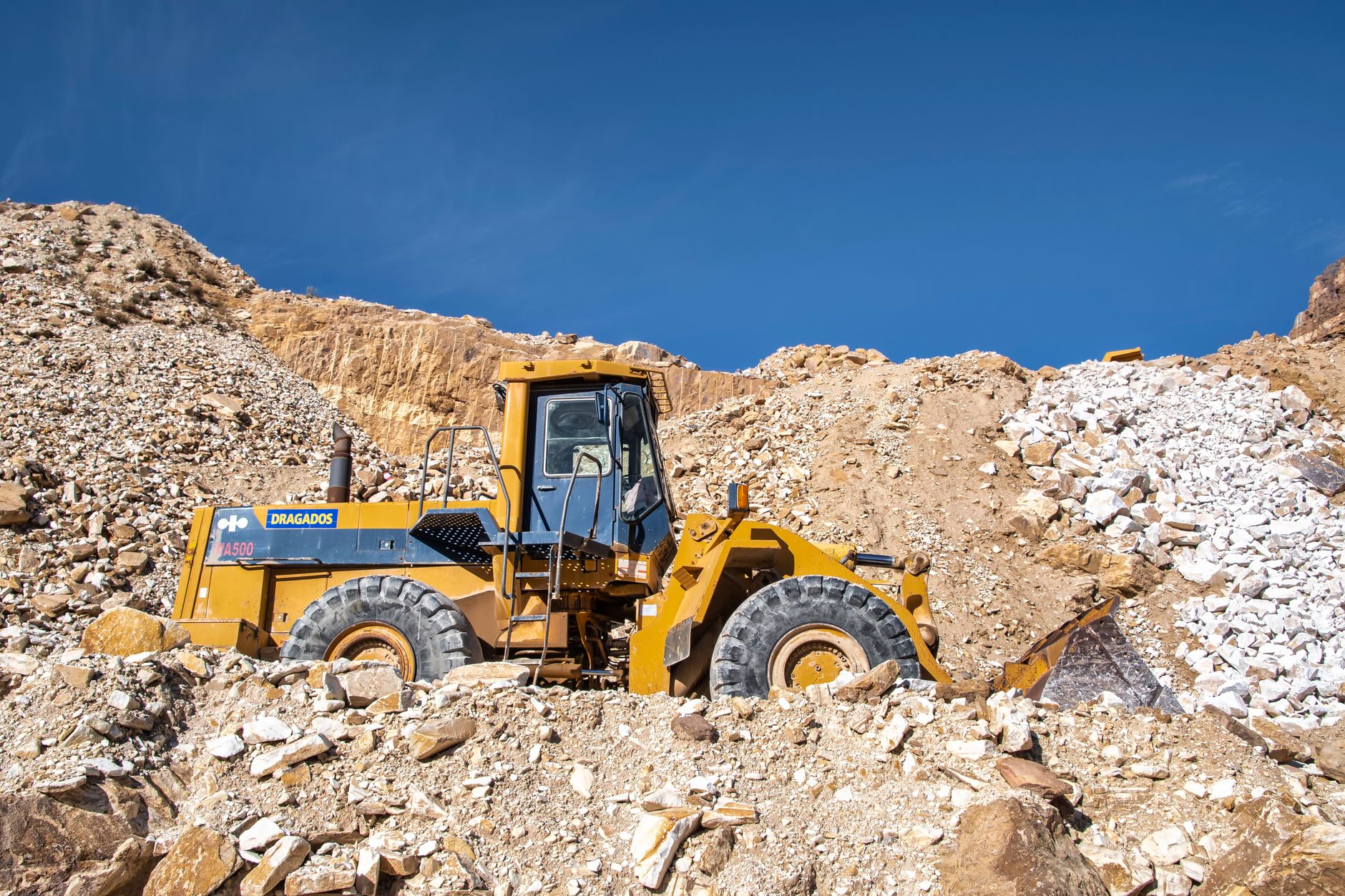
Market Overview
The recent OMC iron‑ore fines auction recorded a 93 % booking rate, showing strong demand from steel producers, yet the average bid price slipped month‑on‑month. The surge reflects tightening raw‑material supplies for downstream steelmaking, while the price dip indicates that traders are adjusting to higher inventories of imported ore and a modest slowdown in steel consumption.
For forging‑grade steel manufacturers, iron‑ore cost is the primary driver of billet and ingot pricing. When ore costs fall, producers can pass savings to customers, but the benefit is often muted by higher processing costs and the need to preserve alloy‑element balances.
Impact on Forging‑Grade Steel Production
Companies that specialize in open‑die forging, ring rolling or upsetting rely on a steady flow of high‑purity steel. A lower ore price can improve the economics of premium grades such as 42CrMo4 or 4140, but the effect is most visible in carbon‑steel families where alloy additions are minimal. Buyers should monitor the spread between ore prices and finished forging ingots to gauge potential cost reductions.
Kesari Alloys, an Indian manufacturer of carbon, alloy and stainless steel forging ingots, continuously casts billets and rolls bars, sourcing its iron inputs from both domestic mines and imports. Its product portfolio includes grades directly affected by ore‑price fluctuations, making it a relevant sourcing partner for OEMs seeking price‑stable supply.
Kesari Alloys Perspective
For a forging‑grade steel supplier like Kesari Alloys, the current ore market signals an opportunity to optimise raw‑material procurement while keeping ingot quality consistent. Buyers looking for reliable forging ingots or continuous cast billets should verify that the supplier can maintain chemistry tolerances despite raw‑material price swings.
In practice, selecting a grade such as C45 carbon steel for medium‑strength components can provide a cost‑effective balance when ore costs dip, as the lower alloy content translates to less exposure to volatile alloy‑metal prices. Engaging with an established Indian forging‑ingots manufacturer helps streamline logistics and reduce lead‑time risks associated with volatile raw‑material markets.