Freight Surge and Its Immediate Impact
The recent spike in Supramax bulk‑carrier rates for Indian grain exports is tightening logistics costs for steel manufacturers that rely on imported alloy additives and raw‑material blends. As sea‑freight premiums climb, the landed cost of alloying elements such as nickel, molybdenum, or specialty carbon powders rises, squeezing the price of high‑grade forging steels. Buyers in the automotive and power sectors are already feeling narrower margins, prompting a re‑evaluation of inventory buffers and a shift toward domestically sourced grades.
Strategic Sourcing Shifts in the Forging Market
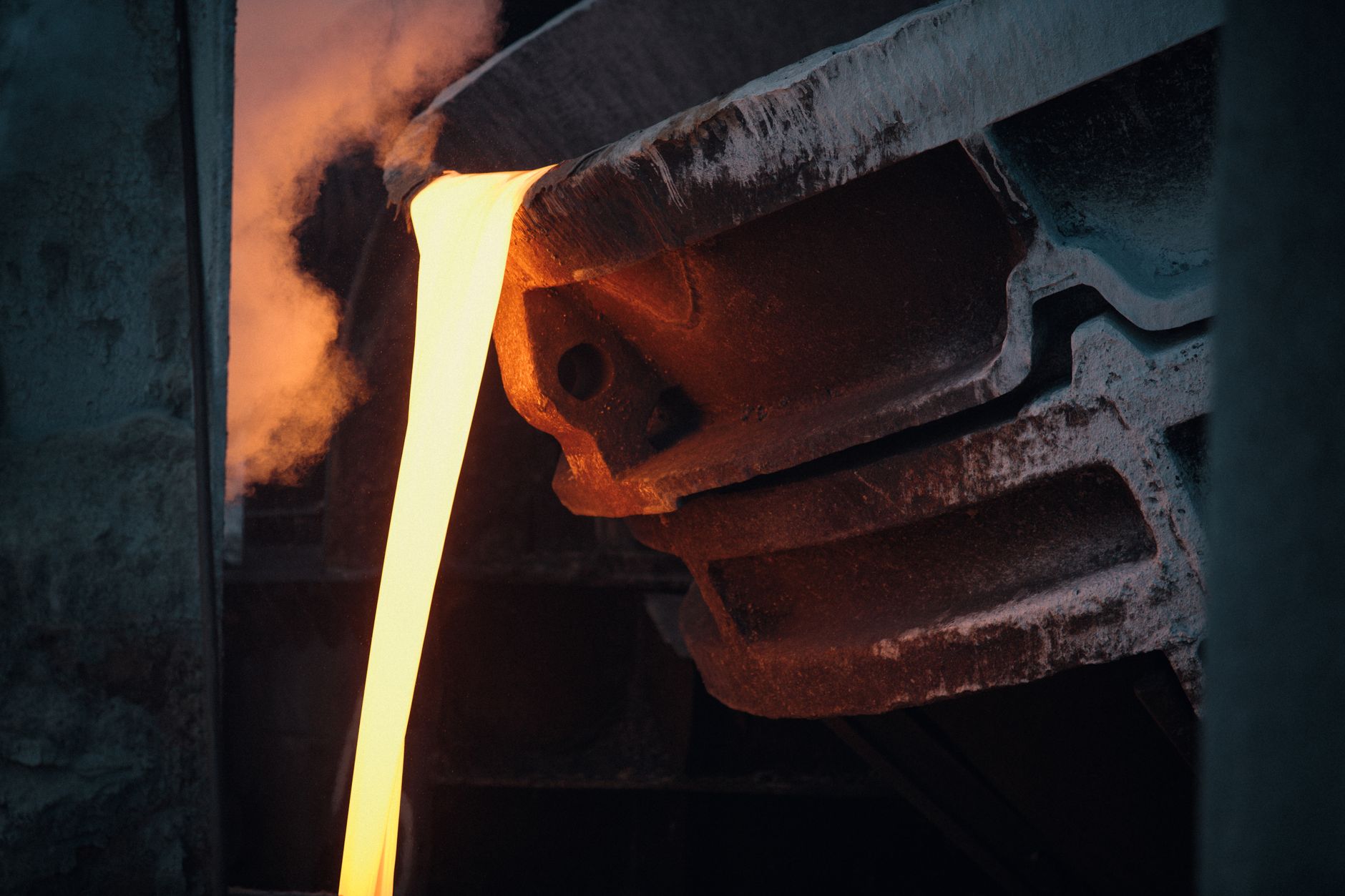
Domestic producers with integrated upstream capabilities can blunt the freight shock by offering ready‑to‑forge ingots and billets that already contain the required alloy chemistry. Kesari Alloys, an established Indian manufacturer, provides a full suite of carbon, alloy and stainless‑steel forging ingots suitable for open‑die forging, ring rolling and upsetting. Its forging ingots portfolio includes grades that match the chemistry of imported alloys, allowing OEMs to reduce dependence on volatile sea‑borne inputs. For customers needing near‑net‑shape material for ring‑rolling operations, the company also supplies continuous cast billets and blooms, which can be rolled in‑house or by partner mills, further insulating projects from freight‑driven price spikes.
Kesari Alloys Perspective
For a forging‑grade steel maker like Kesari Alloys, the freight‑price surge underscores the value of a local supply chain that can deliver ingots, billets and rolled bars on short notice. Buyers should prioritize manufacturers that maintain a broad grade matrix and can tailor chemistry to replace costly imported additives. Engaging with Kesari Alloys means accessing a reliable source of carbon and alloy steels without the added freight premium, supporting steadier production schedules for high‑volume forgings.