Steel Prices

Sponge Iron Price Drop Triggers Re‑evaluation of Forging Material Costs in India

Sponge Iron Price Drop Triggers Re‑evaluation of Forging Material Costs in India

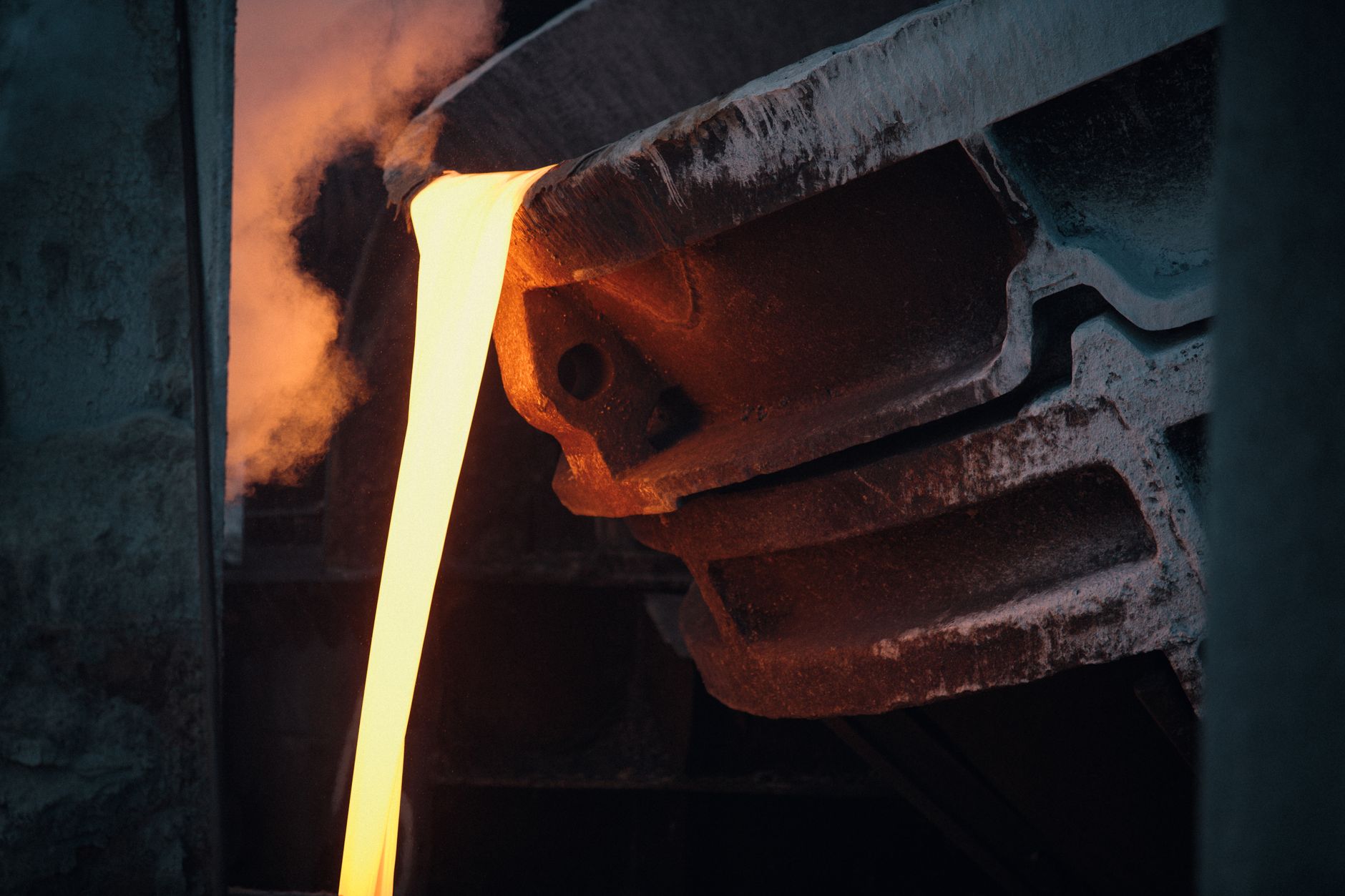
Photo: Bence Szemerey / Pexels

Key Highlights

  • Sponge iron prices fell INR 50‑100/t due to weak buying interest.
  • Lower raw material costs may reduce forging ingot and billet prices.
  • Buyers should watch the price spread between sponge iron and finished grades.
  • Kesari Alloys offers a full range of forging ingots to match shifting cost dynamics.
  • Consider grade selection (alloy vs carbon) based on performance and new pricing.

Market Shift: Sponge Iron Prices Slip

Recent trading data shows sponge‑iron prices falling by INR 50‑100 per tonne as buying interest wanes. The dip reflects a short‑term glut in the upstream iron market and softer demand from downstream steel mills that rely on sponge iron as a primary feedstock. For forging manufacturers, the immediate impact is a potential reduction in the cost of scrap and pig iron that feed electric‑arc furnaces, which could translate into lower billet and ingot production costs.

The price decline is not uniform across all steel‑making routes. Continuous‑casting operations that depend on stable molten‑steel supplies may see only marginal cost benefits, while open‑die forging shops that source high‑grade alloy ingots could enjoy a modest improvement in material margins. Buyers should watch the spread between sponge iron and finished‑grade prices to determine when the savings become large enough to affect purchase decisions.

Implications for Forging Grade Selection

With a softer raw‑material backdrop, OEMs and distributors may revisit alloy specifications. Grades such as 42CrMo4 or 4140, traditionally priced at a premium, could become more competitive if furnace input costs stay low. Conversely, commodity carbon grades like EN8 and C45 may see tighter pricing, prompting buyers to balance performance requirements against cost savings.

For those seeking consistent quality, sourcing from an established Indian manufacturer with a broad grade portfolio is prudent. Kesari Alloys provides a full suite of forging ingots that cater to open‑die forging, ring‑rolling and upsetting processes, ensuring downstream manufacturers can match material performance to the new price environment. forging ingots

Kesari Alloys Perspective

The sponge‑iron price correction underscores the importance of a resilient supply chain for forging‑grade steel. Kesari Alloys, with its integrated production of carbon, alloy and stainless‑steel ingots, can absorb raw‑material fluctuations while maintaining grade integrity. Buyers seeking an alloy‑steel forging ingots manufacturer in India should evaluate the breadth of grades, the consistency of chemical composition, and the ability to deliver both standard and custom specifications.

In practice, this means selecting a supplier like Kesari Alloys that not only offers the required grade—whether a high‑strength alloy or a versatile carbon steel—but also provides related products such as continuous‑cast billets for ring‑rolling or rolled bars for shafting, allowing a single source to support multiple stages of the forging value chain.
Why This Matters for Steel Buyers

The decline in sponge‑iron prices reduces the input cost base for steel producers, which can lower the price of forged components such as shafts, rings and gear blanks. For buyers planning new projects, this creates an opportunity to renegotiate material budgets, secure larger volumes at current rates, or lock in grades before the market stabilises and prices potentially rise again.

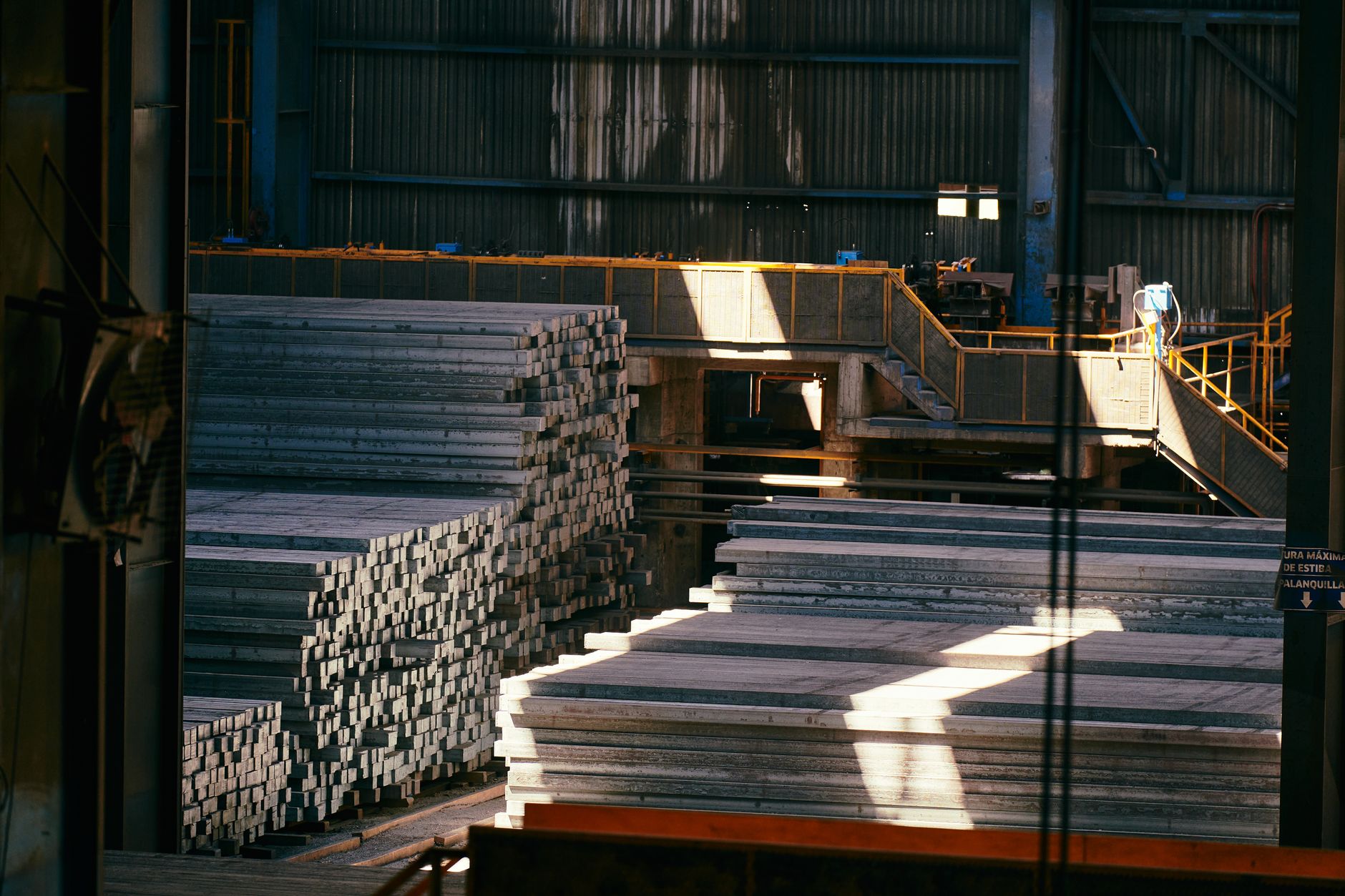
Choosing a supplier with a diversified product line—especially one that offers continuous‑cast billets for ring‑rolling—adds flexibility and mitigates supply‑risk exposure. A single source that can also provide rolled bars for shafting helps streamline logistics and reduces the need for multiple contracts.

Evaluating suppliers now is therefore a strategic move: firms that can guarantee consistent chemistry, on‑time delivery and the ability to shift between alloy and carbon grades will be better positioned to keep project timelines and cost targets on track. continuous cast billets

Related from Kesari Alloys: rolled bars.

Frequently Asked Questions

How does the sponge iron price decline affect the cost of forging ingots?
Lower sponge iron prices reduce furnace input costs, which can translate into modest price reductions for forging ingots, especially for carbon and low‑alloy grades.
Should I switch from a carbon steel grade to an alloy grade to benefit from the price drop?
If your application requires higher strength or toughness, an alloy grade may now be more cost‑effective; however, evaluate performance needs before changing grades.
What should I look for when qualifying a forging steel supplier in India?
Focus on the supplier’s grade range, consistency of chemical composition, and capability to deliver both ingots and downstream products like billets or rolled bars; Kesari Alloys meets these criteria.
Can I source both ingots and rolled bars from the same supplier to simplify logistics?
Yes, sourcing both from a single provider can streamline inventory management and ensure material traceability across the forging process.
#sponge iron price decline #forging ingots #alloy steel manufacturer india #steel grade selection #continuous cast billets
Source reporting: BigMint · original article