Raw Materials

North American Low‑Carbon Steel Surge: Implications for Forging Ingots Supply

North American Low‑Carbon Steel Surge: Implications for Forging Ingots Supply

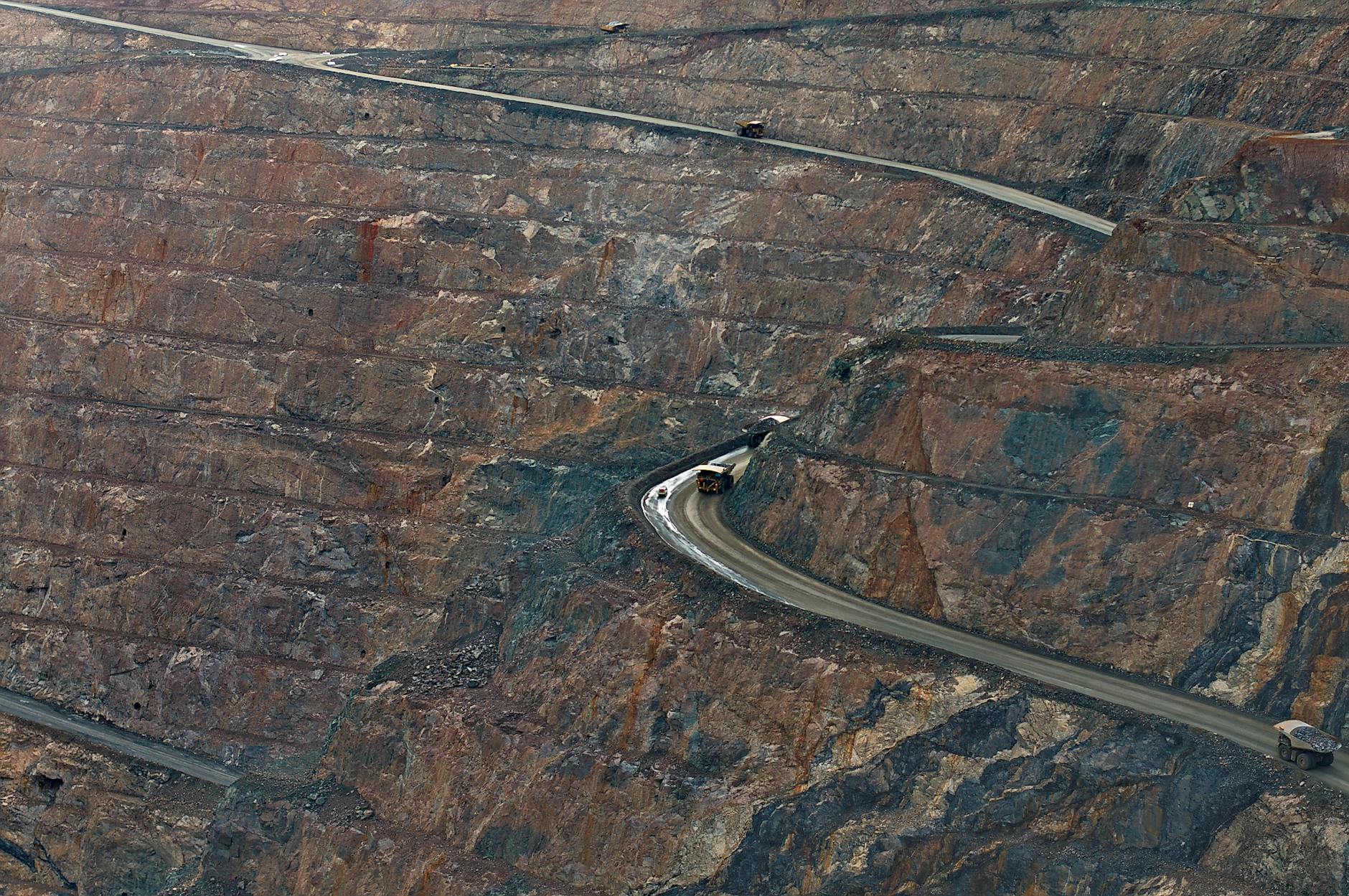
Photo: Kefentse Molotsane / Pexels

Key Highlights

  • Canada Nickel and Swiss Steel aim to supply 1 million t of low‑carbon steel to North America.
  • Low‑carbon billets will compress price differentials between high‑strength and ductile grades.
  • Forging ingot producers must adapt heat‑treatment to maintain strength for open‑die and ring‑rolling.
  • Kesari Alloys can convert low‑carbon billets into grade‑specific forging ingots in India.
  • Integrated supply of billets, ingots and rolled bars reduces inventory and lead‑time for OEMs.

Market Shift Overview

Canada Nickel’s recent partnership with Swiss Steel to secure up to one million tonnes of low‑carbon steel marks a decisive step toward stabilising North‑American raw‑material supplies. The agreement responds to growing demand for automotive and energy‑sector components, where tighter emissions standards are pushing OEMs to prefer grades with lower carbon footprints and predictable mechanical properties.

For forging houses, the influx of low‑carbon billets and blooms will compress the price spread between traditional high‑carbon grades such as 42CrMo4 and the more ductile, weld‑able steels used in lightweight chassis and turbine casings. Buyers should therefore re‑evaluate their material ladders, especially when sourcing open‑die forging ingots that must balance strength and formability.

Strategic Sourcing Considerations

Suppliers that can convert the new billet feedstock into high‑quality forging ingots will gain a competitive edge. Companies like Kesari Alloys, an established Indian manufacturer of carbon, alloy and stainless steel forging ingots, have the metallurgical expertise to tailor heat‑treatment cycles for low‑carbon feedstock while preserving the toughness required for ring‑rolling and upsetting operations. Buyers looking for an "alloy steel forging ingots manufacturer in India" should verify that the supplier can handle the specific chemistry of the incoming billets and offer a grade portfolio that matches downstream requirements.

For projects that need a seamless transition from billet to finished bar, product‑family continuity matters. Kesari Alloys also provides continuous cast billets and blooms that can be rolled or forged directly, reducing handling steps and inventory costs.

Kesari Alloys Perspective

The Canadian‑Swiss supply boost underscores the importance of a diversified raw‑material base for forging‑grade steel producers. Kesari Alloys can leverage its Bhiwadi facilities to melt low‑carbon billets into ingots that meet automotive and power‑generation specifications, ensuring that customers receive consistent chemistry and mechanical performance.

Buyers should ask potential suppliers about their billet‑to‑ingot conversion capabilities, heat‑treatment controls, and the availability of complementary products such as rolled bars for final machining. Aligning with a manufacturer that offers a full suite of forging‑ready forms helps mitigate lead‑time risk and simplifies qualification processes.
Why This Matters for Steel Buyers

The new supply chain reduces reliance on European imports, giving buyers a more predictable pricing curve for low‑carbon grades. When qualifying a supplier, prioritize those that can turn the incoming billets into the exact forging ingot grades you require, such as the families listed in the steel grade family on Kesari’s site.

Timing is also critical—securing billets early in the year can lock in lower alloying costs before the market adjusts to the increased volume. A supplier that provides both ingots and downstream rolled bars simplifies logistics, shortens the qualification timeline, and reduces the risk of inventory bottlenecks.

Frequently Asked Questions

How does low‑carbon steel affect the choice of forging ingot grades?
Low‑carbon steel lowers strength but improves ductility, so manufacturers may select alloying additions or specific heat‑treatments to meet required tensile properties while retaining formability.
Can Kesari Alloys handle low‑carbon billets from the new Canada‑Swiss supply?
Yes, Kesari Alloys has the melting and heat‑treatment capability to convert low‑carbon billets into a range of forging ingot grades suitable for automotive and power applications.
What advantage does buying both billets and ingots from the same supplier provide?
It ensures consistent chemistry across the product chain, reduces handling steps, and can shorten lead times and inventory costs.
Where can I find the full list of grades offered by Kesari Alloys?
The complete grade portfolio, including carbon, alloy, stainless, spring and tool steels, is detailed in the [[L4|steel grade family]] page.
#low-carbon steel #forging ingots #alloy steel manufacturer india #raw material supply #steel grading
Source reporting: ChemAnalyst · original article