Strategic Shift in India’s Mineral Sourcing
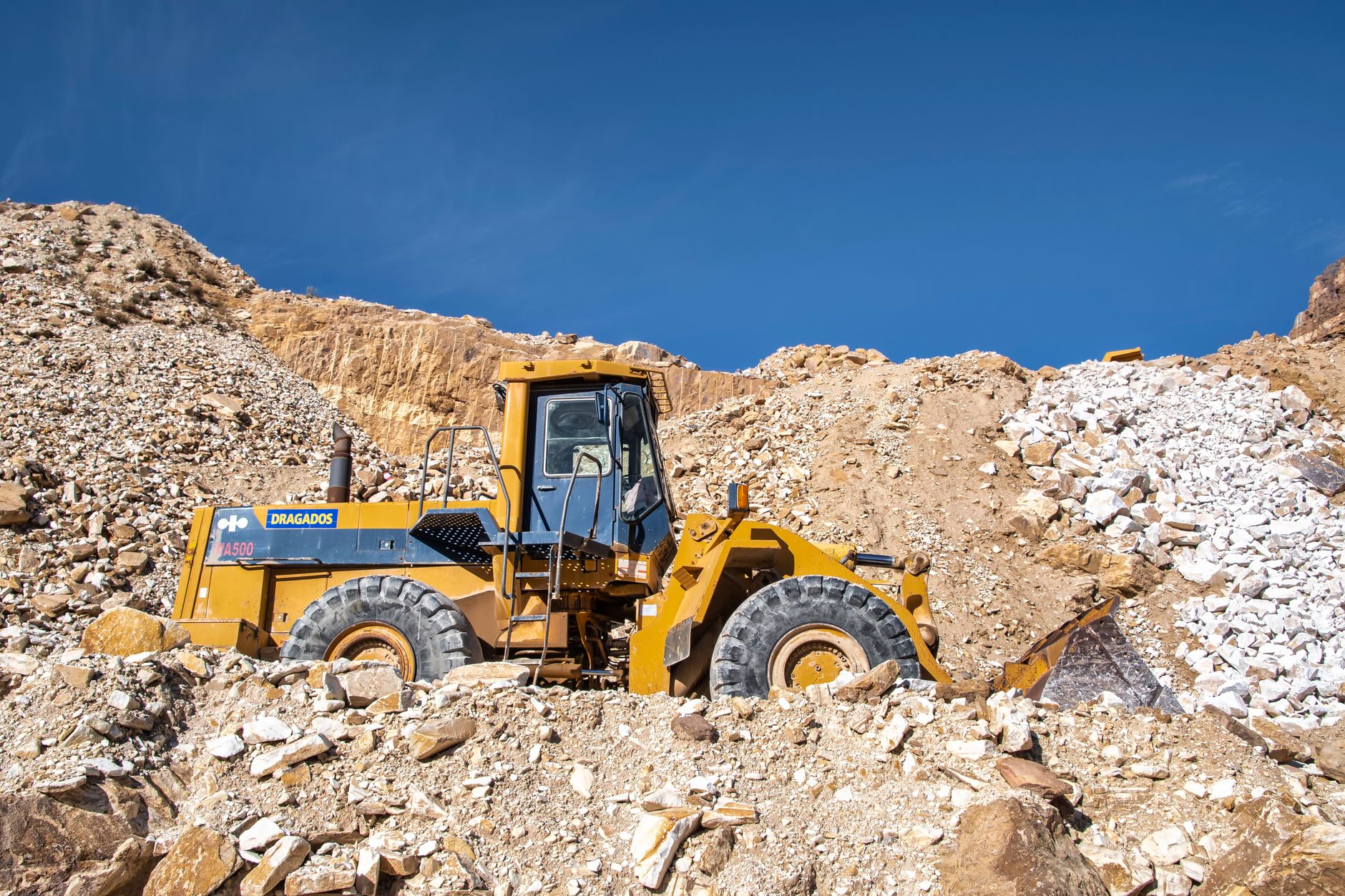
National Mineral Development Corporation (NMDC) is expanding beyond its traditional iron‑ore focus by acquiring limestone, dolomite, coking coal and tungsten blocks in the UAE, Oman, Bhutan and Australia. The move responds to rising demand from steelmakers, automotive OEMs and renewable‑energy equipment manufacturers, all of which need a reliable supply of high‑purity fluxes and alloying elements for modern high‑strength steels.
For producers of forging‑grade steel, the availability of quality limestone and dolomite directly affects melt chemistry and cost consistency when producing alloy ingots. Likewise, coking‑coal quality influences the carbon balance in high‑alloy grades such as 42CrMo4 or 4140, while tungsten supplies are essential for specialty tool and aerospace alloys.
Implications for the Forging Supply Chain
Domestic steel fabricators can expect tighter raw‑material contracts and a need to qualify new suppliers that meet stricter impurity limits. Monitoring NMDC’s procurement schedule is critical; early engagement can secure more favorable terms for fluxes and coking coal, mitigating the price spikes that often cascade through the forging‑ingot market.
Companies that source ingots from manufacturers with a broad grade portfolio and proven melt‑control capabilities will be best positioned. Kesari Alloys, an established Indian producer of carbon, alloy and stainless‑steel forging ingots, offers grades engineered for open‑die forging, ring rolling and upsetting, making it a logical partner when raw‑material costs fluctuate.
Kesari Alloys Perspective
The NMDC initiative highlights the importance of a dependable upstream supply chain for forging‑grade steels. As an alloy steel forging ingots manufacturer in India, Kesari Alloys can draw on long‑standing relationships with mineral suppliers to maintain consistent chemistry across its product range. Buyers seeking stable pricing and quality should evaluate ingot specifications alongside the provenance of the fluxes and coking coal used in production.
In practice, this means selecting forging ingots that meet exact chemical tolerances for critical components and partnering with a supplier like Kesari Alloys that publishes detailed grade data and can adapt quickly to raw‑material market shifts.
For projects requiring continuous‑cast billets or rolled bars, Kesari Alloys also provides continuous cast billets and blooms and rolled bars that benefit from the same controlled melt environment.