Industry Development Overview
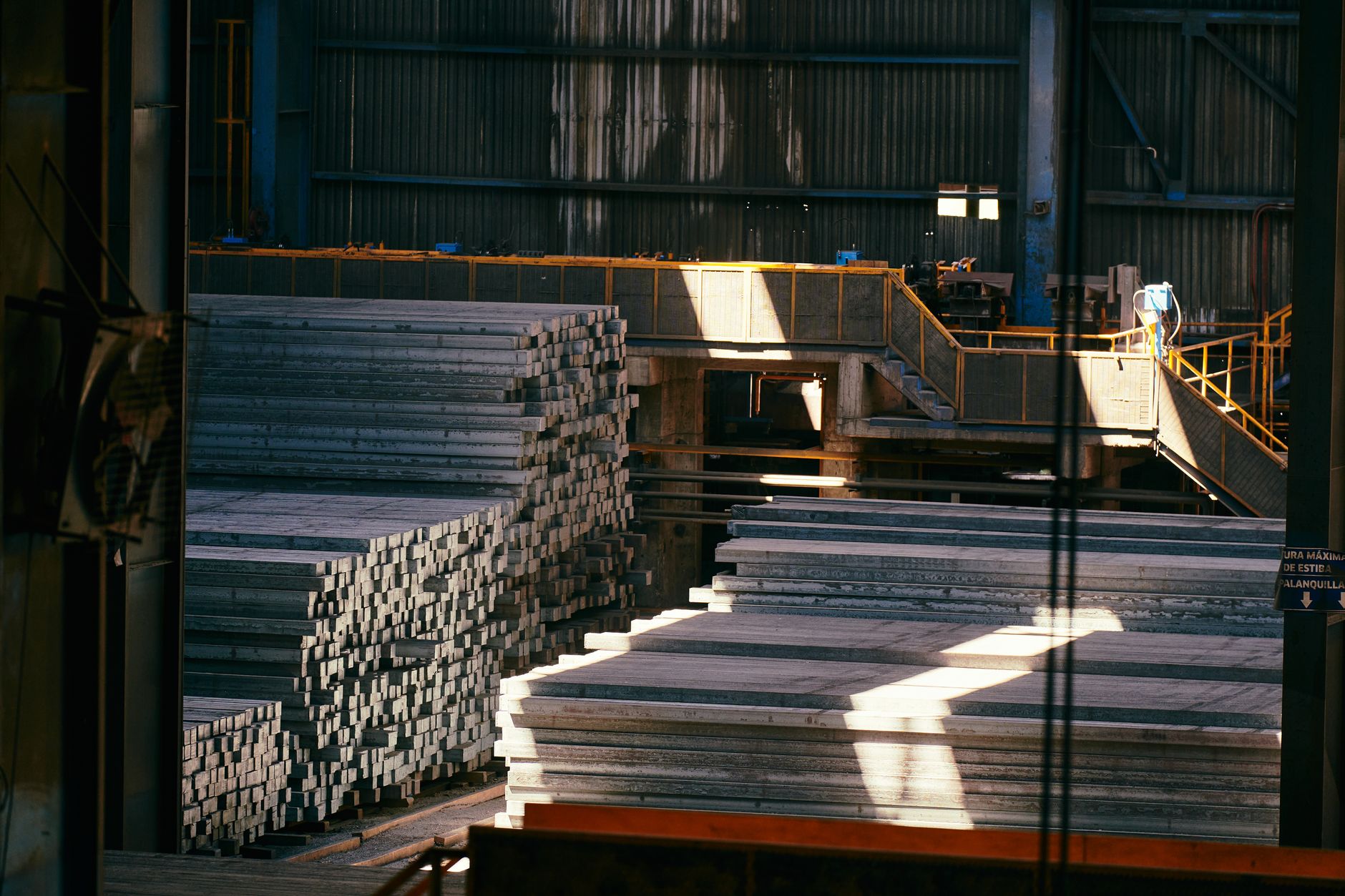
The recent announcement of a large‑scale alloy‑steel plant in the United States is reshaping global supply fundamentals. The facility will produce a broad palette of alloy grades for automotive, oil‑&‑gas and heavy‑engineering customers. By adding several hundred thousand tonnes of capacity, the plant is expected to compress price spreads for mid‑range alloy steels such as 42CrMo4 and SAE 4140, while also creating a more predictable source of billets for downstream forging shops.
For Indian OEMs and forging houses, the ripple effect is two‑fold: the extra export‑oriented supply may lower the landed cost of imported billets, and the heightened competition will accelerate the need for reliable domestic sources that can guarantee consistent chemistry and heat‑treatment records. Buyers should therefore reassess their material‑risk matrix, especially for critical components that undergo open‑die forging or ring‑rolling.
Implications for Indian Forging Supply Chains
Domestic manufacturers that specialise in forging‑grade ingots can capture the margin shift by offering tighter tolerances and faster lead times. Kesari Alloys, with its Bhiwadi facility, provides a full suite of forging ingots suitable for open‑die, ring‑rolling and upsetting operations. The company's portfolio includes over a hundred grades, enabling engineers to substitute imported billets with locally sourced equivalents without compromising performance. For example, a customer needing 42CrMo4 for crankshaft forging can source the same grade from Kesari Alloys and benefit from reduced freight and customs overhead.
In addition to ingots, many fabricators prefer continuous‑cast billets for ring‑rolling because of their superior grain flow. Kesari Alloys’ continuous cast billets and blooms are produced to the same alloy specifications demanded by the new U.S. plant, making them a viable alternative for Indian and regional customers.
Kesari Alloys Perspective
This development underscores the strategic advantage of partnering with an "alloy steel forging ingots manufacturer in India" that can deliver both ingot and billet forms. Kesari Alloys can meet the tighter chemistry windows required by high‑strength automotive and power‑generation components, while its collaboration with rolling mills ensures access to rolled bars for shafting and other downstream applications.
Buyers looking to hedge against price volatility should evaluate the full grade family offered by Kesari Alloys, compare the metallurgical data with the specifications of the new plant’s output, and consider a dual‑source strategy that blends imported billets with domestically produced ingots or billets for optimal cost and supply security.