Company Updates
Marine‑Grade Stainless Steel Cable Glands: Implications for Forging Steel Suppliers
5 Nov 2026•5 November 2026•2 min read•Source: EIN News
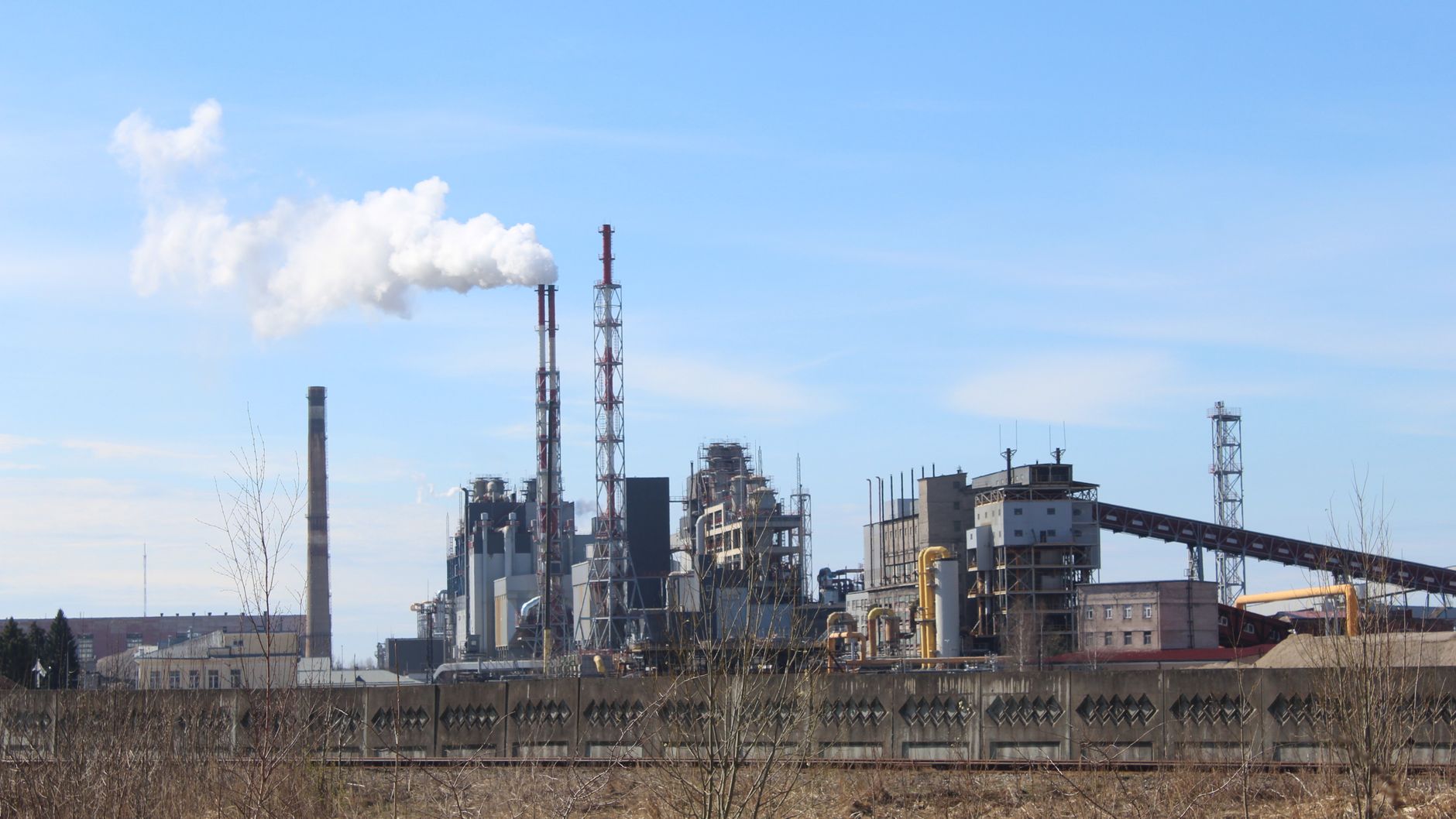
Photo: Paolo Rossa / Pexels
Key Highlights
- Marine cable glands require high‑corrosion‑resistance stainless grades.
- Open‑die forging of stainless ingots delivers complex gland geometries.
- Kesari Alloys offers a full stainless grade family for marine applications.
- Choosing a proven forging‑ingot supplier reduces scrap and lead‑time.
- Supplier qualification should focus on grade certification and forging capability.
Industry Development
The marine market is increasingly demanding cable glands that can resist chloride‑induced corrosion while maintaining mechanical integrity under vibration and load. Manufacturers such as BEISIT are turning to high‑grade stainless alloys—typically 316L or duplex grades—and precision machining to satisfy classification‑society standards. This shift forces upstream steel suppliers to provide stainless forging blanks that combine corrosion resistance with the toughness needed for open‑die forging of complex gland bodies.
Supply‑Side Response
Forging‑grade stainless steel ingots are the logical feedstock for these applications. Buyers must confirm that the ingot chemistry complies with ASTM A351 or A182 specifications and that the material can be hot‑worked into thin‑wall, high‑precision shapes. Kesari Alloys maintains a broad stainless‑steel forging‑ingot portfolio, enabling OEMs to source material that meets marine‑grade requirements without a secondary heat‑treatment step. For a quick reference to the full stainless family, see the steel grade family page.
Kesari Alloys Perspective
For a supplier of marine cable glands, the availability of certified stainless forging ingots from an Indian manufacturer such as Kesari Alloys simplifies the supply chain. Their ingots are suitable for open‑die forging, ring rolling and upsetting—the primary processes used to produce the complex geometries of cable‑gland housings. Selecting a reputable forging‑ingot source helps ensure consistent mechanical properties, reduces scrap rates, and aligns with the buyer’s search for an "alloy steel forging ingots manufacturer in India".
In practice, a marine‑grade OEM would request a stainless grade (e.g., 316L) that matches the gland’s corrosion‑resistance target, then work with Kesari Alloys to confirm the ingot’s chemistry and forging suitability. This approach secures material quality while keeping lead‑times predictable for projects that must meet stringent classification deadlines.
Why This Matters for Steel Buyers
When specifying a cable gland for offshore rigs, the grade choice directly influences maintenance intervals, warranty exposure and overall lifecycle cost. Sourcing stainless forging ingots that already meet ASTM marine standards removes a downstream heat‑treatment step, compressing the production schedule and lowering processing costs. Buyers should therefore give preference to manufacturers that publish clear grade coverage, such as the forging ingots page from Kesari Alloys.
Inventory planning also plays a decisive role. Maintaining a buffer of continuous‑cast billets and blooms enables OEMs to absorb sudden order spikes and meet classification‑society audit timelines without delay. Kesari Alloys’ continuous cast billets and blooms offering provides that flexibility while guaranteeing consistent chemistry across batches, which in turn reduces the risk of re‑work and scrap.
Frequently Asked Questions
What stainless grade is best for marine cable gland housings?
Grades 316L or duplex 2205 are commonly specified for their chloride‑stress corrosion resistance and are available as forging ingots from Kesari Alloys.
Can Kesari Alloys supply material that meets ASTM A351 for marine fittings?
Yes, Kesari Alloys lists the relevant stainless grades in its steel grade family and provides forging ingots that comply with ASTM A351 specifications.
How does using continuous cast billets help my production schedule?
Billets can be stored as a semi‑finished stock, allowing you to start forging as soon as a gland design is approved, reducing lead‑time compared to ordering fresh ingots.
Why should I consider an Indian forging‑ingot supplier for marine applications?
An Indian supplier like Kesari Alloys offers a broad stainless portfolio, proven forging capability, and competitive logistics, making it a viable source for high‑quality marine‑grade steel.
#marine steel
#stainless forging ingots
#alloy steel manufacturer india
#forging ingots
#marine cable glands