Company Updates

Low‑Alloy Steel Outlook 2035: How Automotive Lightweighting Boosts Forging Demand

Low‑Alloy Steel Outlook 2035: How Automotive Lightweighting Boosts Forging Demand

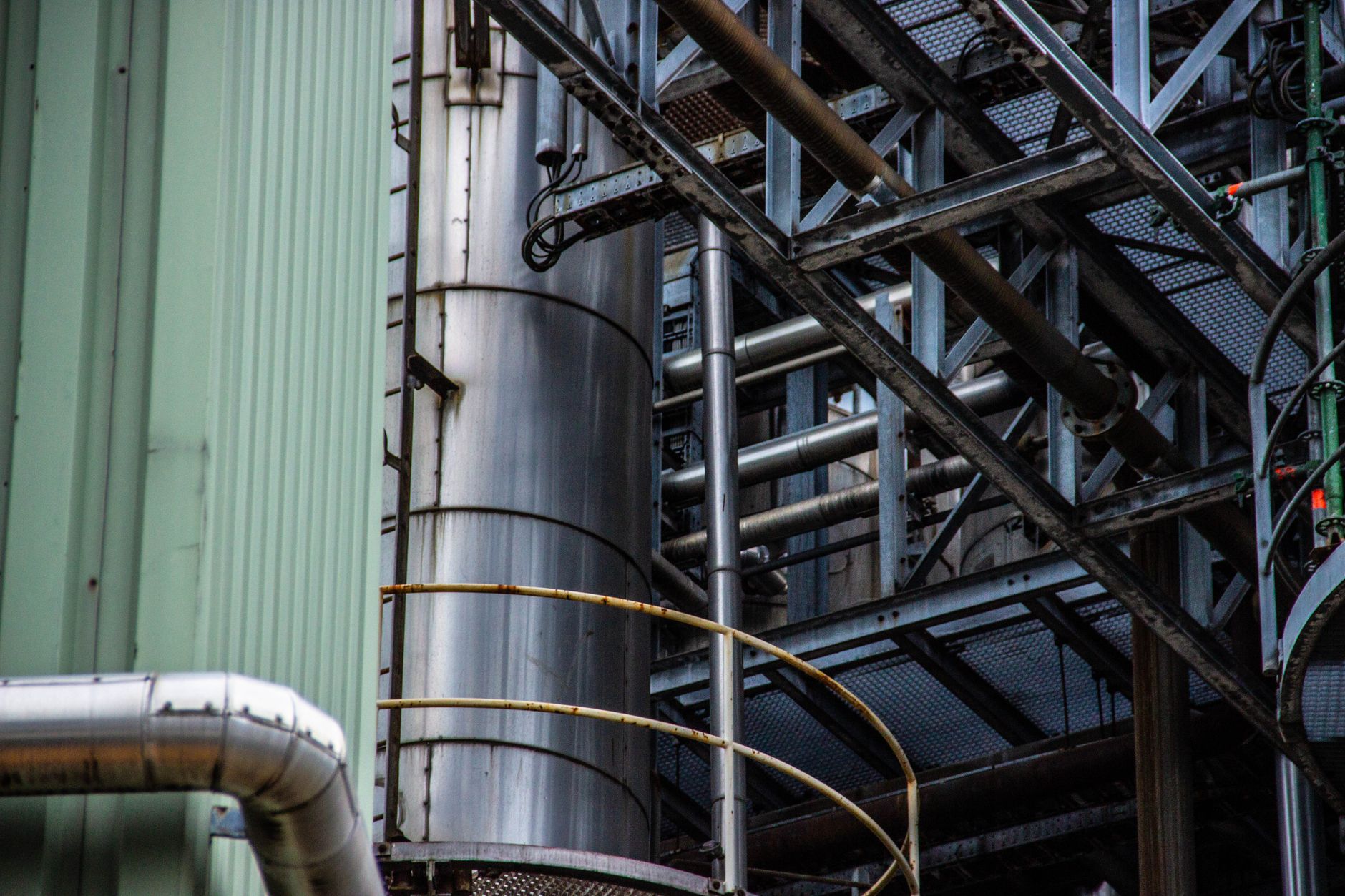
Photo: Mr Dr3igeteilt / Pexels

Key Highlights

  • Low‑alloy steel demand to rise through 2035, driven by automotive lightweighting and infrastructure growth.
  • High‑strength grades such as 42CrMo4 and SAE4140 are key for forging critical components.
  • Supply chains must secure consistent forging ingots and billets to meet tighter design tolerances.
  • Kesari Alloys provides both ingots and billets across a broad grade portfolio, matching industry needs.

Market Drivers and Outlook

The IndexBox forecast shows low‑alloy steel volumes expanding through 2035, driven by two converging trends: automotive manufacturers intensifying lightweighting programs and governments committing to large‑scale infrastructure upgrades. Lightweighting pushes designers toward higher‑strength, lower‑weight grades such as 42CrMo4 and SAE4140, which can be hot‑forged into complex, safety‑critical components while maintaining tight dimensional tolerances.

At the same time, infrastructure projects—particularly in emerging markets—require high‑strength structural steel for bridges, rail, and offshore platforms. These applications favour alloy grades with superior toughness and weldability, often supplied as continuous‑cast billets for downstream forging or ring‑rolling operations. The combined effect is a sustained uplift in demand for forging‑grade ingots and billets that meet stringent mechanical specifications.

Implications for Forging Supply Chains

OEMs and forging houses must align their material strategies with this dual demand. Selecting the right grade early in the design phase reduces re‑work and scrap. For example, choosing a 42CrMo4 alloy steel for automotive crankshafts enables high‑strength, fatigue‑resistant forgings, while SAE4140 serves as a workhorse for heavy‑duty gear shafts in infrastructure equipment. Reliable access to consistent‑quality forging ingots and billets therefore becomes a competitive differentiator.

Buyers should evaluate manufacturers on their ability to provide traceable chemistry, heat‑treatment support, and flexible order sizes that match just‑in‑time production schedules. A supplier with a broad grade portfolio and both ingot and billet capabilities can streamline procurement and lower inventory carrying costs.

Kesari Alloys Perspective

Kesari Alloys, operating from Bhiwadi, Rajasthan, offers a full spectrum of forging‑grade materials that align with the projected market growth. Its forging ingots cater to open‑die, ring‑rolling and upsetting processes, while the continuous cast billets and blooms serve customers needing ready‑to‑forge billets for high‑volume production. By maintaining a comprehensive grade library—including 42CrMo4 and SAE4140—Kesari Alloys positions itself as a responsive alloy‑steel forging ingots manufacturer in India, ready to support automotive lightweighting programs and infrastructure projects alike.

Why This Matters for Steel Buyers

The forecasted surge in low‑alloy steel usage means procurement teams must secure reliable sources for forging‑grade materials now, before demand spikes tighten supply. Partnering with a supplier that offers both ingot and billet forms—such as Kesari Alloys—allows manufacturers to balance inventory levels, reduce lead times, and keep production schedules aligned with just‑in‑time delivery.

Grade selection directly influences downstream processing costs. For instance, a pre‑qualified 42CrMo4 alloy can cut heat‑treatment cycles and extend tool life in forging presses, while SAE4140’s proven toughness reduces the need for additional post‑forge machining. Buyers should therefore assess suppliers on grade breadth, technical support, and the ability to provide detailed SAE4140 alloy steel specifications that meet automotive and heavy‑engineering standards.

Frequently Asked Questions

Which low‑alloy grades are most suitable for automotive lightweighting?
Grades such as 42CrMo4 and SAE4140 provide high strength-to-weight ratios and are widely used in forged crankshafts and suspension components.
How can I ensure consistent chemistry for my forging ingots?
Work with a supplier that publishes detailed grade data and offers traceability; Kesari Alloys provides such transparency across its forging ingot portfolio.
Do I need separate suppliers for ingots and billets?
Not necessarily; a single source that offers both [[L2|forging ingots]] and [[L3|continuous cast billets and blooms]] can simplify logistics and reduce lead times.
What should I consider when qualifying a new forging steel supplier?
Evaluate their grade coverage, metallurgical expertise, and ability to meet industry standards for alloy steels, as demonstrated by Kesari Alloys' extensive grade family.
#low alloy steel market #automotive lightweighting #forging ingots #alloy steel manufacturer india #steel grade selection
Source reporting: IndexBox · original article