Steel Prices
Karnataka Iron Ore Dip Signals Tightening Input Costs for Indian Forgers
22 Oct 2026•22 October 2026•2 min read•Source: BigMint

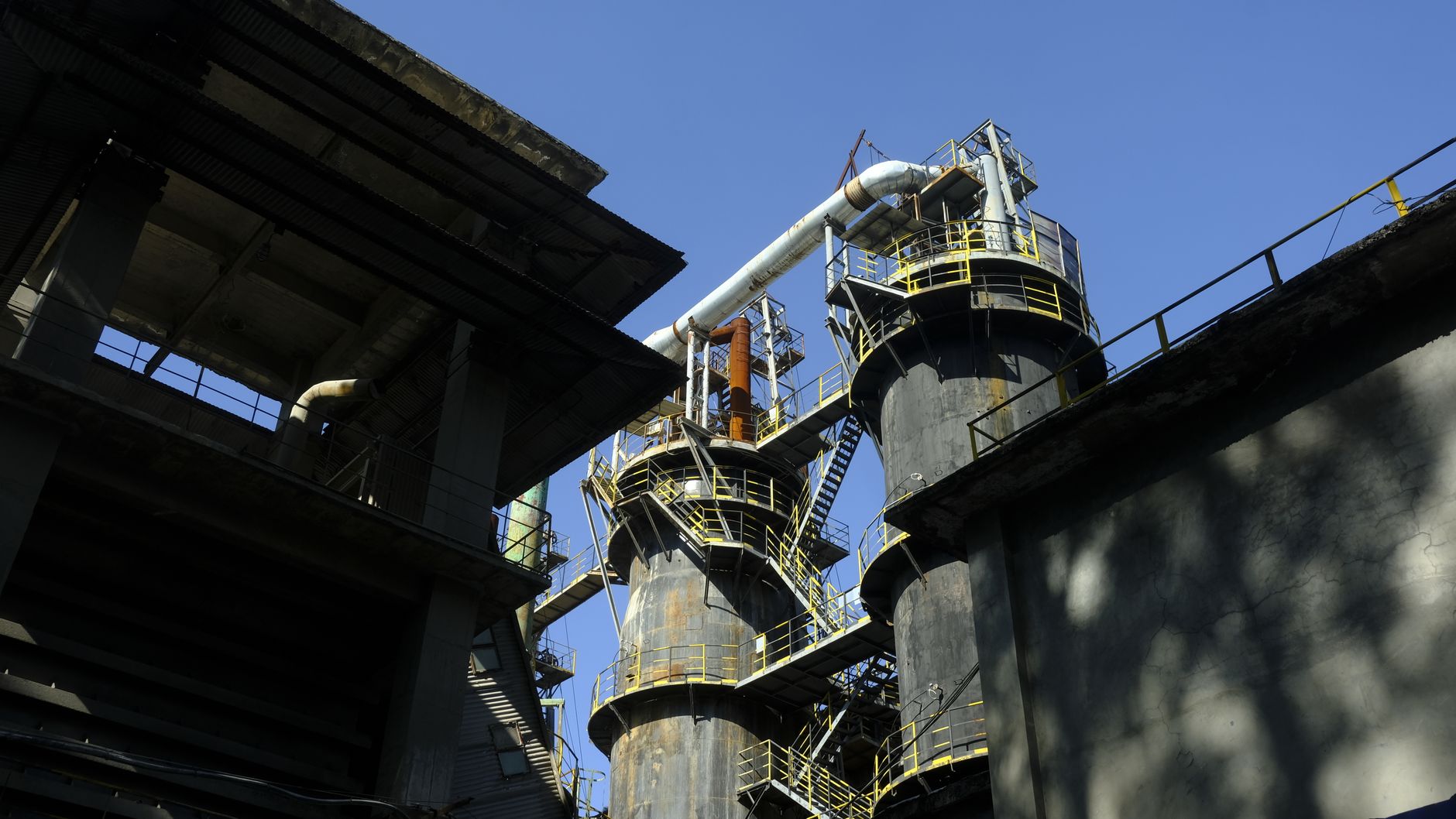
Image: bigmint.co
Key Highlights
- Karnataka iron‑ore prices fall amid subdued steel demand
- Lower ore costs may gradually reduce forging‑grade steel prices
- OEMs should monitor ore trends alongside finished‑steel market dynamics
- Kesari Alloys offers a wide range of ingots, billets and bars for flexible sourcing
- Strategic inventory of grades like EN8 and C45 can hedge against price swings
Recent market data show a clear drop in iron‑ore spot prices in Karnataka, reflecting a slowdown in domestic steel consumption. Weaker demand from downstream sectors—automotive and infrastructure, which normally absorb most Indian steel output—has driven the dip. For forging and heavy‑engineering customers, lower ore costs can eventually translate into modest reductions in steel billet and ingot prices, although inventory buffers and existing contract terms often delay the benefit.
The price correction eases pressure on steel mills but also highlights the fragility of demand in a post‑pandemic recovery. OEMs that depend on high‑strength alloy steels for crankshafts, gear blanks, or pressure‑vessel components must monitor both ore trends and finished‑steel price signals. A softer ore market can improve the economics of premium grades such as 42CrMo4 or EN8, but only if mill margins remain sufficient to pass the savings downstream.
Kesari Alloys Perspective
For a supplier like Kesari Alloys, the ore price decline underscores the value of a broad portfolio of forging ingots and continuous‑cast billets that can be priced competitively across multiple grades. Buyers seeking reliable forging ingots or continuous cast billets and blooms should assess the supplier’s ability to maintain chemical consistency despite raw‑material volatility. Moreover, the current market backdrop makes it an opportune time for OEMs to lock in inventory of critical grades such as EN8 or C45, securing stable supply for upcoming production cycles.
Why This Matters for Steel Buyers
A decline in ore prices can lower the cost base for carbon and alloy steels used in forging, but the timing of price transmission to end‑users depends on contract structures, inventory levels, and mill margin health. Buyers should scrutinize supplier pricing formulas and consider pre‑booking ingots or billets to lock in potential savings before the market stabilises.
When qualifying a supplier, prioritize consistent grade specifications and the capability to deliver both open‑die ingots and continuous‑cast billets. Kesari Alloys’ extensive steel grade family catalog enables buyers to match material properties to application requirements while managing cost exposure.
Frequently Asked Questions
How quickly do changes in iron‑ore prices affect forging‑grade steel costs?
The impact is usually felt after a lag of several weeks as steel mills adjust raw‑material inputs and renegotiate contracts with downstream customers.
Which Kesari Alloys products are best suited for high‑strength automotive forgings?
Kesari Alloys provides alloy forging ingots and continuous cast billets that meet specifications for grades like 42CrMo4, EN8 and C45, ideal for crankshafts and gear blanks.
Can I source both ingots and rolled bars from the same supplier to simplify logistics?
Yes, Kesari Alloys offers both forging ingots and rolled bars, allowing OEMs to consolidate sourcing and maintain consistent material quality across processes.
What should I verify when qualifying a new forging steel supplier in India?
Check the supplier’s grade portfolio, traceability of raw materials, consistency of chemical composition, and ability to deliver both ingots and billets such as those offered by Kesari Alloys.
#iron ore price decline
#steel market india
#alloy steel manufacturer india
#forging ingots
#continuous cast billets