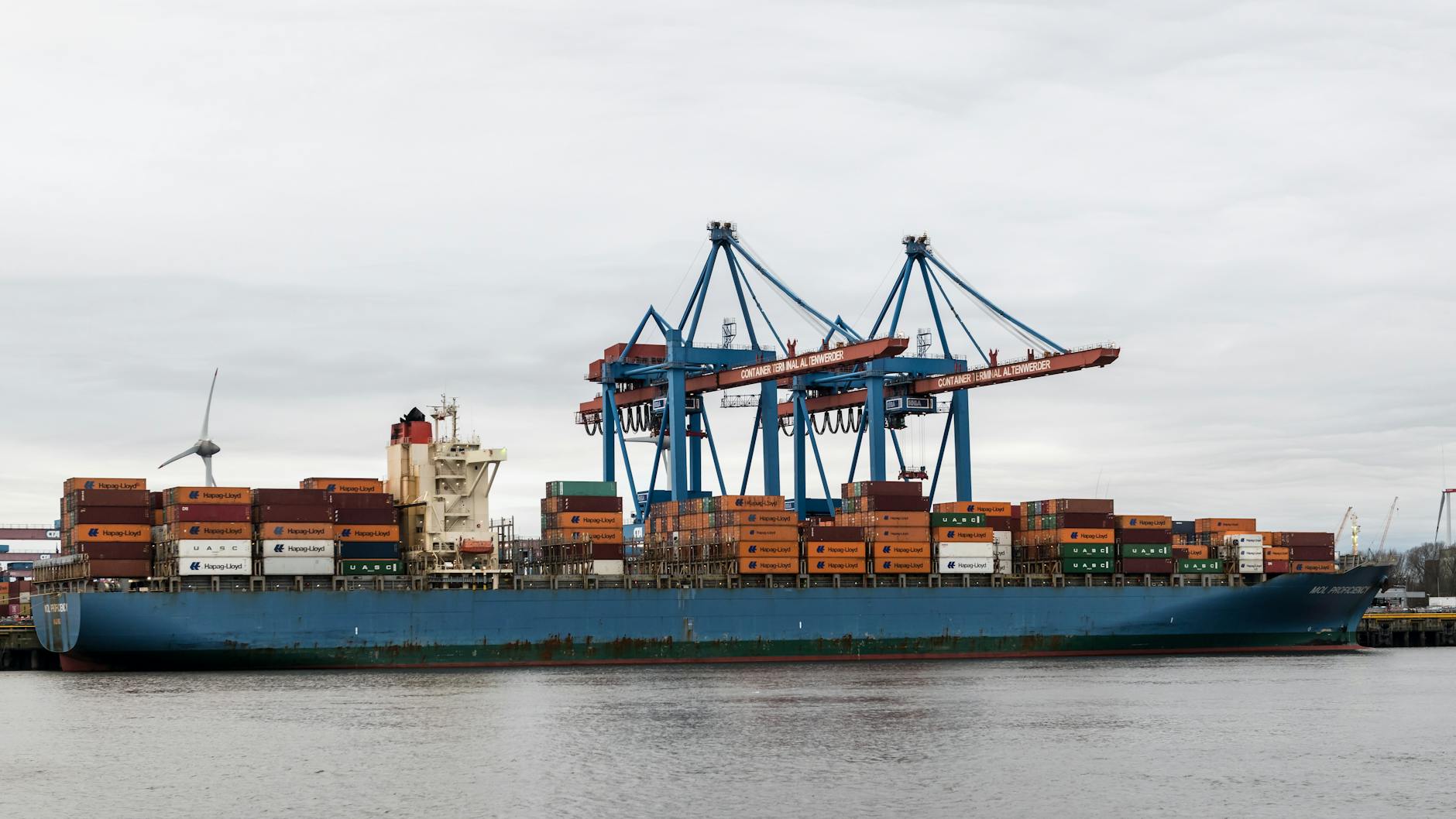
Market Shift: Brazil and South Africa Lead a 3% Weekly Rise in Iron Ore Shipments
The latest weekly data show a 3% jump in global iron‑ore freight volumes, driven mainly by stronger export flows from Brazil and South Africa. Higher port‑call frequencies and smoother logistics have lifted supply at a time when Asian steel producers are still managing inventory constraints from last quarter’s demand dip. The uplift is modest in absolute terms, but it signals a re‑balancing of the primary‑metal market that could translate into more predictable pricing for downstream alloy‑steel manufacturers.
For forging‑grade steel makers, the key question is whether the increased ore availability will soften the cost of carbon and alloy ingot production. Brazil’s low‑cost hematite and South Africa’s high‑grade magnetite both feed the electric‑arc furnaces that dominate Indian steelmaking, where Kesari Alloys operates. A steadier ore supply can reduce feedstock price volatility, especially for grades that require tight chemistry control such as 42CrMo4 or EN8.
Implications for Forging and OEM Supply Chains
OEMs in the automotive and heavy‑engineering sectors watch raw‑material trends closely because any swing in ore costs propagates through the pricing of forging ingots, billets and rolled bars. A smoother ore market may encourage manufacturers to lock in longer‑term contracts for critical grades, improving lead‑time certainty. Buyers should evaluate suppliers that can demonstrate a diversified sourcing base and the ability to produce consistent grades across open‑die forging, ring rolling and upsetting processes. Kesari Alloys, with its integrated forging‑ingot and billet capabilities, is positioned to leverage a stable ore supply while maintaining tight chemistry tolerances.
Kesari Alloys Perspective
For a forging‑grade steel producer like Kesari Alloys, the recent rise in iron‑ore shipments is a positive signal. It supports the cost‑competitiveness of its forging ingots and continuous cast billets and blooms, which are essential inputs for customers engaged in open‑die forging and ring rolling. Buyers looking for an "alloy steel forging ingots manufacturer in India" can expect more predictable pricing and inventory availability as ore markets settle.
Moreover, the steadier raw‑material flow enables Kesari to focus on delivering a broad portfolio of grades—ranging from carbon steels such as C45 carbon steel to alloy options like EN8—without compromising chemical consistency. This alignment of supply‑chain stability with product breadth helps OEMs and distributors plan their forging programs with confidence.