Company Updates

India’s 2047 Steel Policy Shift Toward Competition Impacts Forging Supply Chains

India’s 2047 Steel Policy Shift Toward Competition Impacts Forging Supply Chains

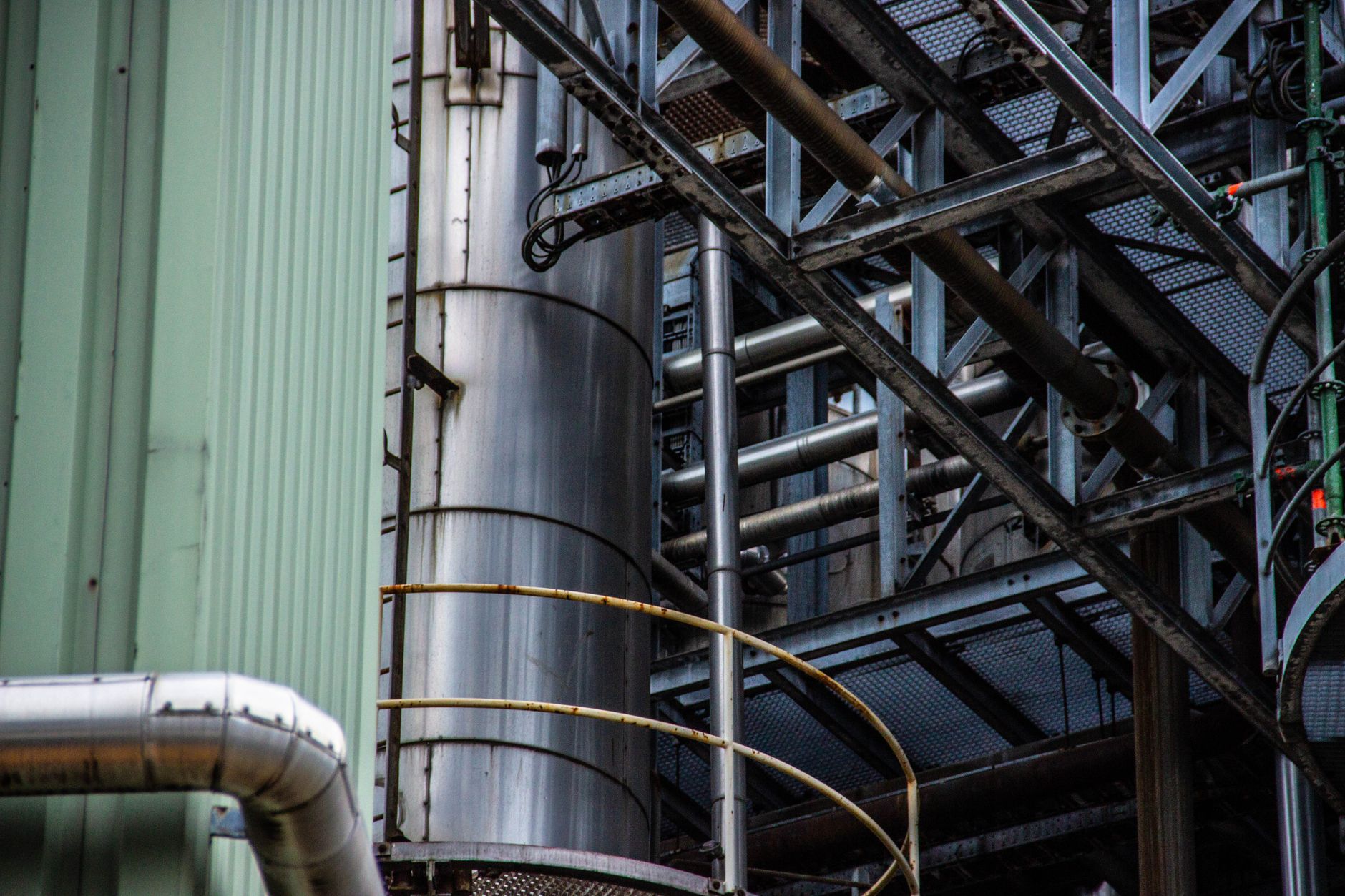
Photo: Mr Dr3igeteilt / Pexels

Key Highlights

  • India’s 2047 steel policy will replace protectionist tariffs with competition‑driven pricing.
  • Forging firms must focus on total cost of ownership, including grade consistency and processing flexibility.
  • Kesari Alloys provides a complete range of forging ingots, billets and bars suited to open‑die, ring‑rolling and upsetting.
  • A broad grade portfolio helps OEMs consolidate suppliers and manage inventory under a competitive market.
  • Buyers should prioritize manufacturers with traceable chemistry and proven heat‑treatment for critical forgings.

Policy Shift and Market Dynamics

The Indian government’s draft steel policy for 2047 proposes moving away from tariff protection toward a competitive market framework. By encouraging open imports, transparent pricing and technology upgrades, the policy seeks to narrow the cost differentials that have long favored domestically shielded producers. For forging companies that depend on consistent alloy chemistry, the change could squeeze margins while also accelerating adoption of higher‑grade steels that meet global performance standards.

In a more competitive environment, OEMs and distributors will evaluate total cost of ownership rather than headline prices alone. That assessment includes alloy consistency, heat‑treatment reliability and the ability to source material that meets specifications for open‑die forging, ring rolling or upsetting. Suppliers that can demonstrate a broad grade portfolio and flexible product forms—such as ingots, billets and rolled bars—will be better positioned to win contracts that now demand both price competitiveness and technical assurance.

Implications for Forging‑Grade Steel Suppliers

Manufacturers like Kesari Alloys, which offers a full suite of carbon, alloy and stainless steel forging ingots, must align product development with the policy’s competitive thrust. Their forging ingots are engineered for open‑die forging, ring rolling and upsetting, providing the dimensional stability required for high‑volume production. Complementary continuous cast billets and steel grade family pages illustrate a breadth of grades—from C45 to high‑alloy tool steels—allowing buyers to source a single supplier for multiple process steps, reducing handling costs and inventory complexity.

Kesari Alloys Perspective

The policy’s emphasis on competition reinforces the need for Indian forging‑grade steel manufacturers to demonstrate both price and performance. Kesari Alloys can leverage its long‑standing presence in Bhiwadi, Rajasthan, to offer consistent chemical composition and traceability across its ingot, billet and bar product lines. Buyers looking for an "alloy steel forging ingots manufacturer in India" should evaluate the supplier’s grade coverage, heat‑treatment capability and ability to support downstream processes such as ring rolling or upsetting.

In practice, a customer planning a new crankshaft program might source 42CrMo4 alloy steel ingots for the initial forging, then shift to continuous cast billets for secondary rolling, all from the same manufacturer. This reduces lead‑time variability and aligns with the policy’s goal of a more efficient, competition‑driven steel ecosystem.

Why This Matters for Steel Buyers

In a market that is shifting toward open competition, raw‑material prices are expected to fall, making it critical for buyers to secure steels that deliver the required performance without hidden quality costs. A supplier with a wide grade family—such as Kesari Alloys—lets buyers select the exact alloy chemistry for each forging stage while keeping the procurement chain simple.

When comparing bids, buyers should request mill test certificates for both C45 carbon steel and higher‑alloy grades, verify heat‑treatment records, and confirm that both ingot and billet forms are available. Consolidating these requirements with a single source can shorten lead times, lower logistics expenses and reduce the risk of split‑sourcing in a price‑sensitive environment.

Frequently Asked Questions

How will the 2047 policy affect pricing for forging‑grade steels?
Reduced import duties and greater market transparency are expected to lower headline prices, but buyers will need to assess total cost of ownership, including alloy consistency and heat‑treatment reliability.
What should a forging OEM look for when qualifying a new steel supplier?
Key criteria include a comprehensive grade portfolio, proven ingot and billet quality, traceable chemistry, and the ability to supply both carbon and alloy grades such as those listed on Kesari Alloys’ grade family page.
Can Kesari Alloys provide both ingots and continuous cast billets for a single project?
Yes, Kesari Alloys offers forging ingots and continuous cast billets, allowing customers to source material for initial forging and subsequent rolling from the same manufacturer.
Is Kesari Alloys suitable for buyers seeking an alloy steel forging ingots manufacturer in India?
Kesari Alloys, based in Bhiwadi, Rajasthan, manufactures carbon, alloy and stainless steel forging ingots that meet the specifications required for open‑die forging, ring rolling and upsetting.
#steel policy india #forging ingots #alloy steel manufacturer india #continuous cast billets #steel grade selection
Source reporting: Indian Express · original article