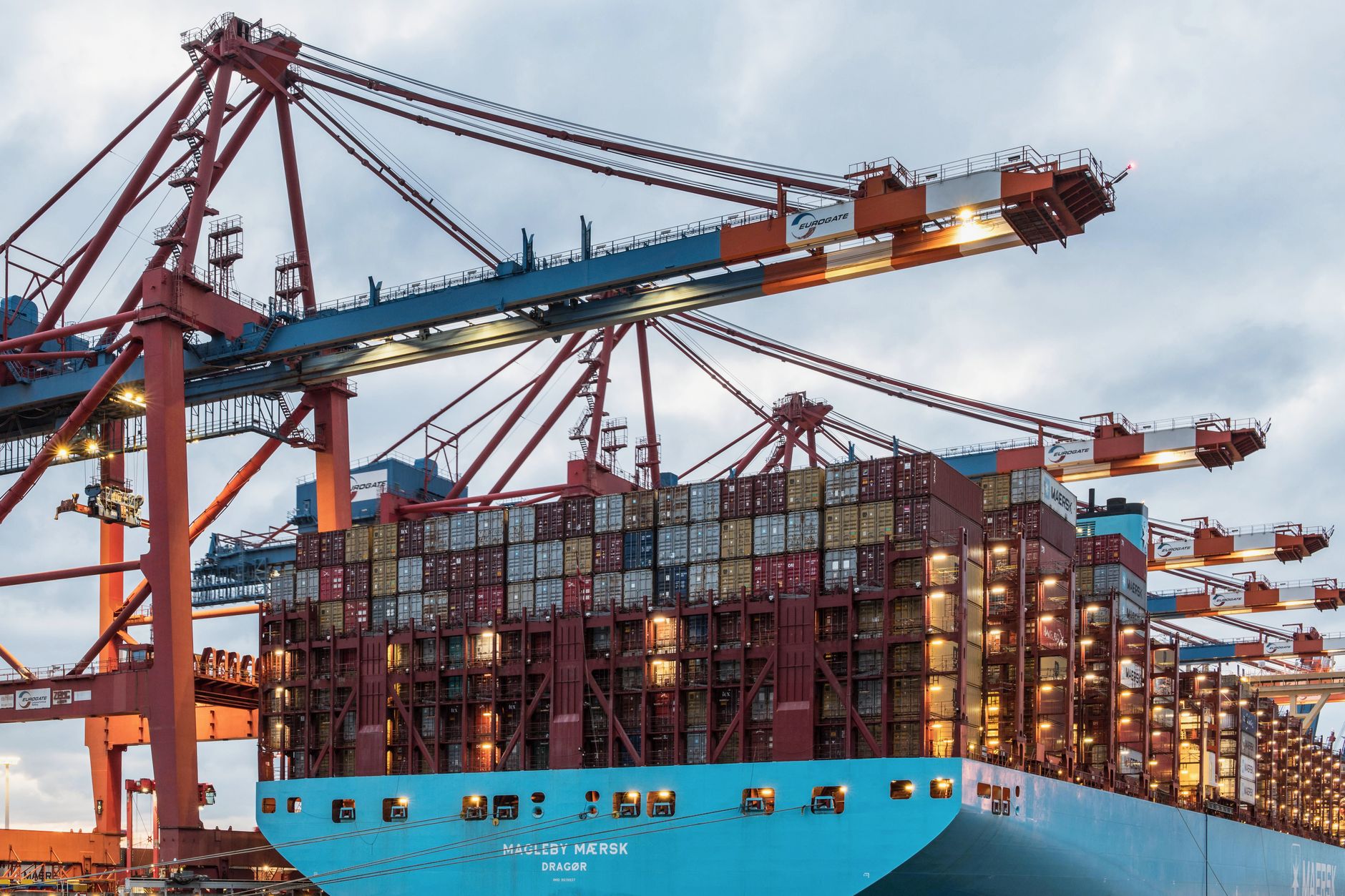
Regulatory Shift and Market Impact
The European Union and United Kingdom have announced stricter quota limits on stainless‑steel imports, coupling the caps with higher anti‑dumping duties and the Carbon Border Adjustment Mechanism (CBAM). The move is intended to protect domestic producers and curb carbon leakage, but it also reshapes the cost structure for downstream OEMs that rely on imported stainless‑steel billets and ingots for precision forging.
For forging houses, the immediate concern is the rise in landed cost of stainless‑steel feedstock. CBAM will add a carbon‑price component based on the embodied emissions of the material, which can be significant for alloy grades produced in energy‑intensive plants. Companies that source from regions with higher carbon intensity may see a price premium of 5‑10 % versus EU‑origin material.
Strategic Sourcing Adjustments
Buyers can mitigate exposure by diversifying the alloy mix and selecting grades that balance performance with lower carbon footprints. For example, choosing widely recycled austenitic grades or opting for alloy‑steel grades with proven forgeability can reduce both tariff impact and CBAM charges. In this context, manufacturers that offer a broad portfolio of forging‑ready forms—such as forging ingots and continuous cast billets and blooms—provide the flexibility needed to re‑engineer component designs without compromising strength or fatigue life.
Kesari Alloys Perspective
For a supplier like Kesari Alloys, the tightening of EU and UK quotas underscores the value of an Indian‑based forging‑ingot line that can meet global specifications while maintaining competitive carbon intensity. Kesari Alloys’ stainless‑steel forging ingots are produced in Bhiwadi, Rajasthan, using modern melt‑control practices that support lower emissions, making them a viable alternative for OEMs seeking to offset CBAM costs.
Buyers evaluating new sources should verify that the ingot chemistry aligns with the required standards for open‑die forging, ring rolling or upsetting. Kesari Alloys’ extensive grade catalogue—including carbon, alloy and stainless families—allows engineers to select the exact grade needed for a given application, reducing the need for costly post‑forge heat treatments.