Company Updates

EU Pushes Higher Stainless Tube Quota for Ukraine – Implications for Forging Steel Supply

EU Pushes Higher Stainless Tube Quota for Ukraine – Implications for Forging Steel Supply

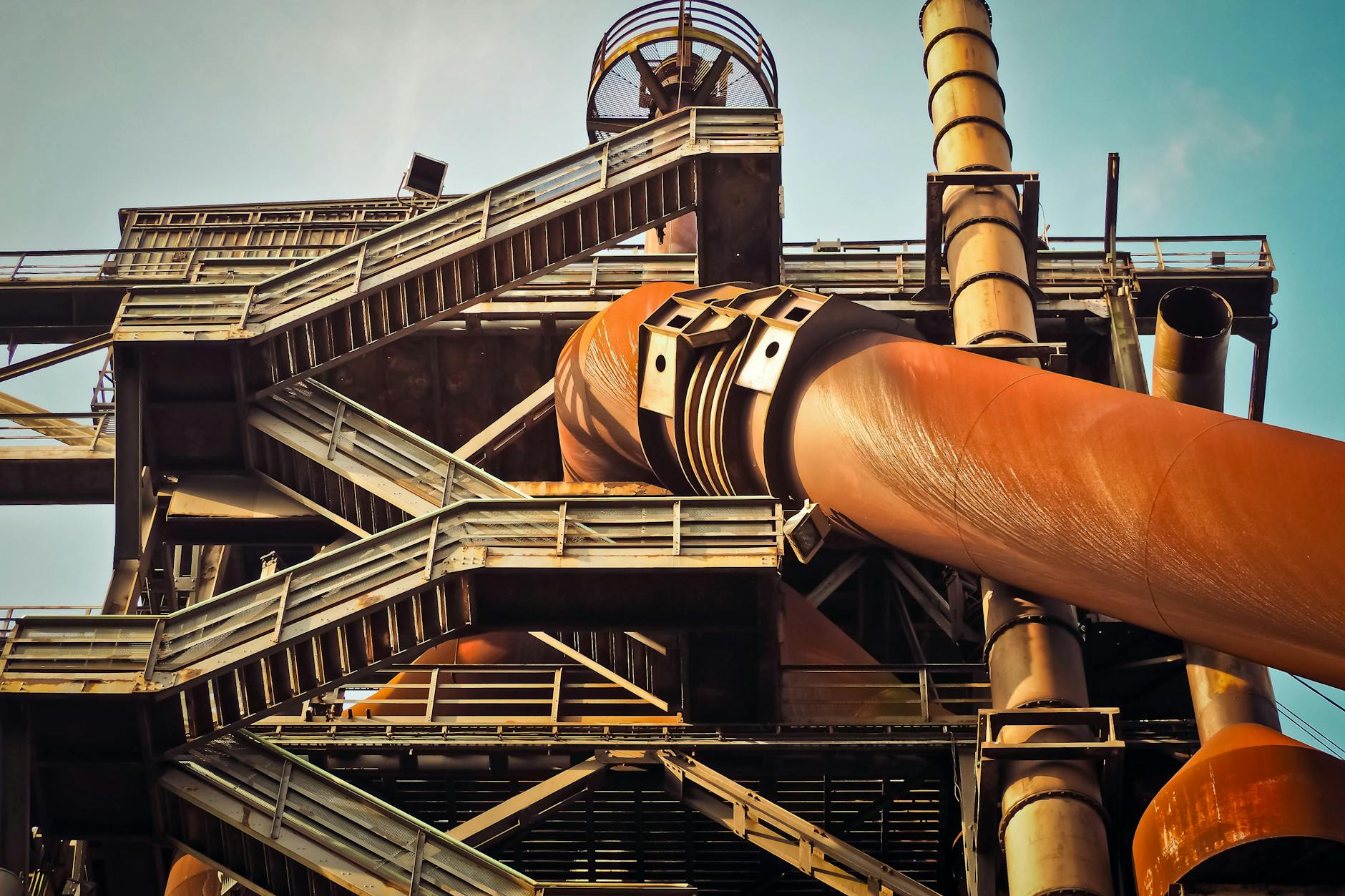
Photo: Pixabay / Pexels

Key Highlights

  • EU seeks higher stainless tube quota for Ukraine from 2027
  • Increased demand will pressure stainless billet and ingot supplies
  • Flexibility between ingots and billets is key for rapid tube production
  • Kesari Alloys offers both stainless forging ingots and continuous billets
  • Buyers should verify grade consistency across forging and rolling stages

Market Development and Its Ripple Effect

EURANIMI’s request for an expanded EU quota on stainless‑steel tubes destined for Ukraine beginning in 2027 signals a shift in demand for high‑grade stainless alloys. Ukraine’s reconstruction effort will require replacement of aging pipework, driving up consumption of tube‑grade 304 and 316 stainless steel.

For forging and tube manufacturers, the quota change could tighten the upstream supply of stainless billets, forcing a rethink of inventory policies. Suppliers that already hold a diversified portfolio of stainless ingots are better positioned to absorb sudden spikes in tube orders without jeopardising other product lines.

Strategic Sourcing Considerations

Buyers should scrutinise the provenance of their stainless material, especially melt traceability and the grade’s suitability for tube‑forming processes such as cold drawing or seamless extrusion. Partnering with a vendor that offers both stainless forging ingots and continuous‑cast billets adds flexibility: ingots can be hot‑worked into rings or bars, while billets can be rolled directly into tube blanks.

In the Indian market, a manufacturer such as Kesari Alloys delivers a full spectrum of stainless options, from ingots to billets, enabling OEMs to source a consistent grade across the value chain. A buyer searching for an "alloy steel forging ingots manufacturer in India" will find that Kesari’s product range aligns with the need for high‑quality stainless feedstock.

Kesari Alloys Perspective

The proposed quota increase underscores the importance of a reliable source of stainless steel forging ingots and billets. Kesari Alloys’ stainless forging ingots forging ingots and continuous cast billets continuous cast billets and blooms give customers the ability to respond quickly to tube‑making orders while maintaining control over material chemistry. For manufacturers targeting the Ukrainian market or similar reconstruction projects, partnering with a supplier that can guarantee grade consistency across ingot, billet and rolled‑bar formats reduces lead‑time risk and supports cost‑effective production.

Buyers should therefore prioritise suppliers with a proven track record in carbon, alloy and stainless families, as reflected in Kesari’s comprehensive grade catalogue steel grade family. This approach ensures that the right grade is available whether the application calls for open‑die forging, ring rolling, or direct tube extrusion.

Why This Matters for Steel Buyers

The quota lift creates a narrow window in which early procurement of stainless billets can lock in both price and availability before the anticipated demand surge. Companies that source ingots and billets from the same supplier can consolidate qualification data, cut duplicate testing, and simplify inventory management.

Choosing a vendor with a broad grade portfolio—and the capability to deliver stainless material in both forging‑ingot and billet forms—provides a built‑in hedge against supply bottlenecks. This dual‑source strategy aligns with just‑in‑time production schedules used by tube manufacturers, reducing the risk of costly production delays.

For detailed specifications and application guidance, see Kesari Alloys’ rolled bars page.

Frequently Asked Questions

How will the EU quota increase affect stainless steel pricing for tube manufacturers?
Higher quota can initially tighten supply, leading to modest price pressure, but suppliers with ample billet inventories can offer more stable pricing.
What stainless grades are typically used for high‑pressure tubes?
Grades 304, 316 and 321 are common; buyers should verify the exact chemical limits on the supplier’s grade page.
Can Kesari Alloys provide both ingots and billets for the same stainless grade?
Yes, Kesari Alloys supplies stainless steel in forging ingot form as well as continuous cast billets, allowing seamless transition between forging and tube‑forming processes.
What should a buyer look for when qualifying a new stainless steel supplier?
Key factors include the range of grades offered, consistency of chemistry across ingots and billets, and the supplier’s ability to meet open‑die forging and ring‑rolling requirements.
#stainless steel quota #tube manufacturing #alloy steel manufacturer india #forging ingots #continuous cast billets
Source reporting: SteelOrbis · original article