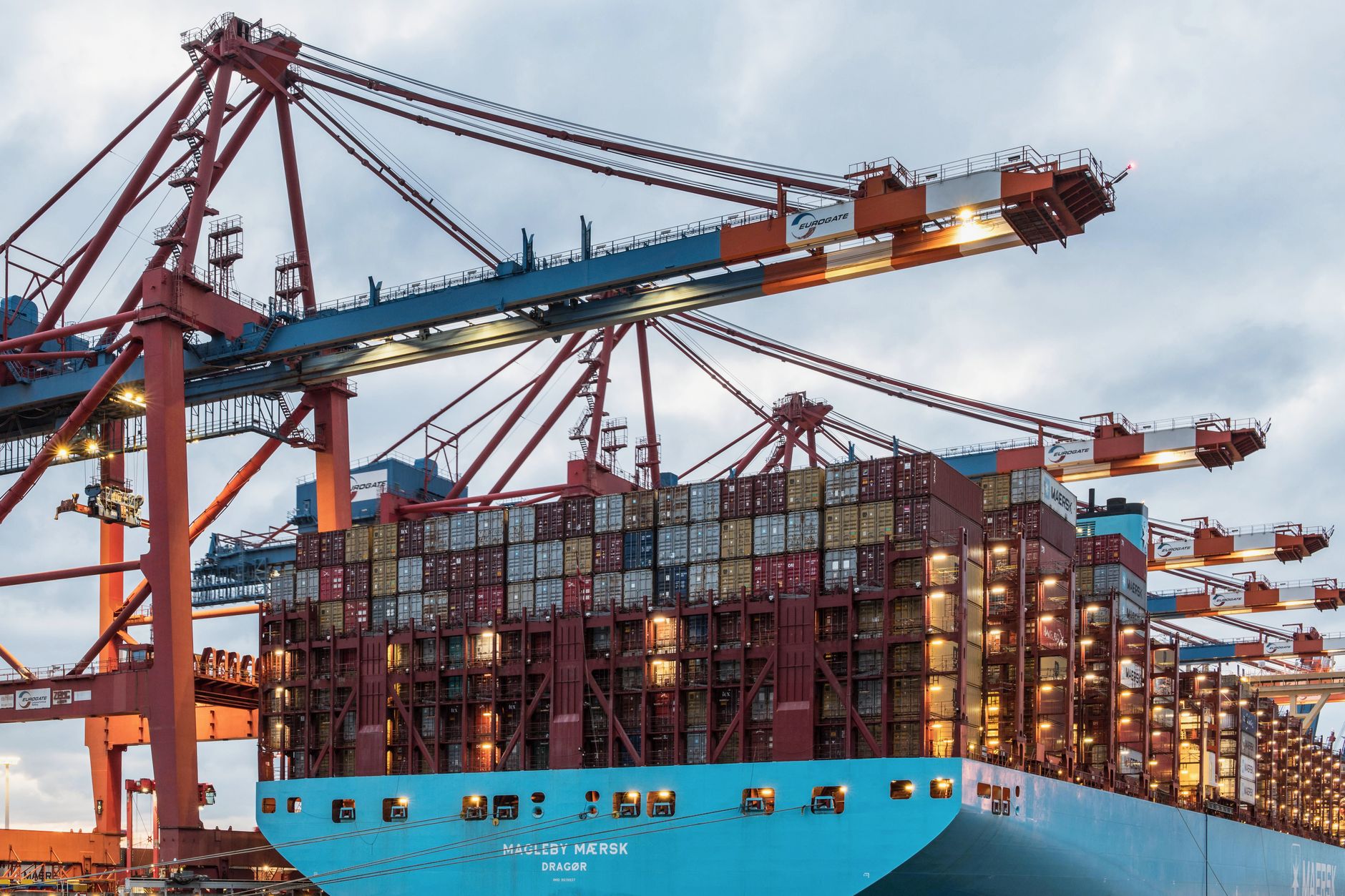
Trade Policy Shift and Its Ripple Effect
Recent statements from major Dutch producers highlight concerns that EU customs authorities are applying anti‑dumping duties and safeguard measures inconsistently across stainless‑steel imports. The lack of a uniform methodology creates price volatility for downstream forgings and pressure‑vessel components, especially when shipments arrive from Asian producers under differing tariff codes.
For OEMs and forging houses, this uncertainty raises procurement risk. When one batch of stainless steel is hit with a retroactive levy while a comparable shipment is not, the effective cost per kilogram can swing by several percent, eroding margins on high‑spec parts such as turbine blades or automotive crankshafts.
Implications for Forging‑Grade Steel Supply
Manufacturers that depend on consistent grade availability—42CrMo4, 4140, or stainless families like 304L—must now embed customs‑related cost buffers into their bills of material. The situation also nudges buyers toward domestic sources that can offer transparent duty structures and reliable supply chains.
In India, companies such as forging ingots and continuous cast billets and blooms provide a broad spectrum of carbon, alloy and stainless grades that are exempt from EU anti‑dumping duties, making them attractive alternatives for cost‑sensitive projects.
Kesari Alloys Perspective
For a forging‑grade steel manufacturer like Kesari Alloys, the EU’s uneven customs enforcement underscores the value of a diversified supplier base. Kesari Alloys’ extensive grade portfolio—including carbon, alloy and stainless options—enables buyers to source high‑quality ingots or billets that meet open‑die forging, ring‑rolling or upsetting requirements without the added uncertainty of fluctuating duties.
Buyers evaluating “alloy steel forging ingots manufacturer in India” should assess the chemical consistency, heat‑treatment capabilities, and traceability offered by Kesari Alloys, ensuring that the selected grade aligns with design specifications while mitigating tariff risk.