Market Shift Overview
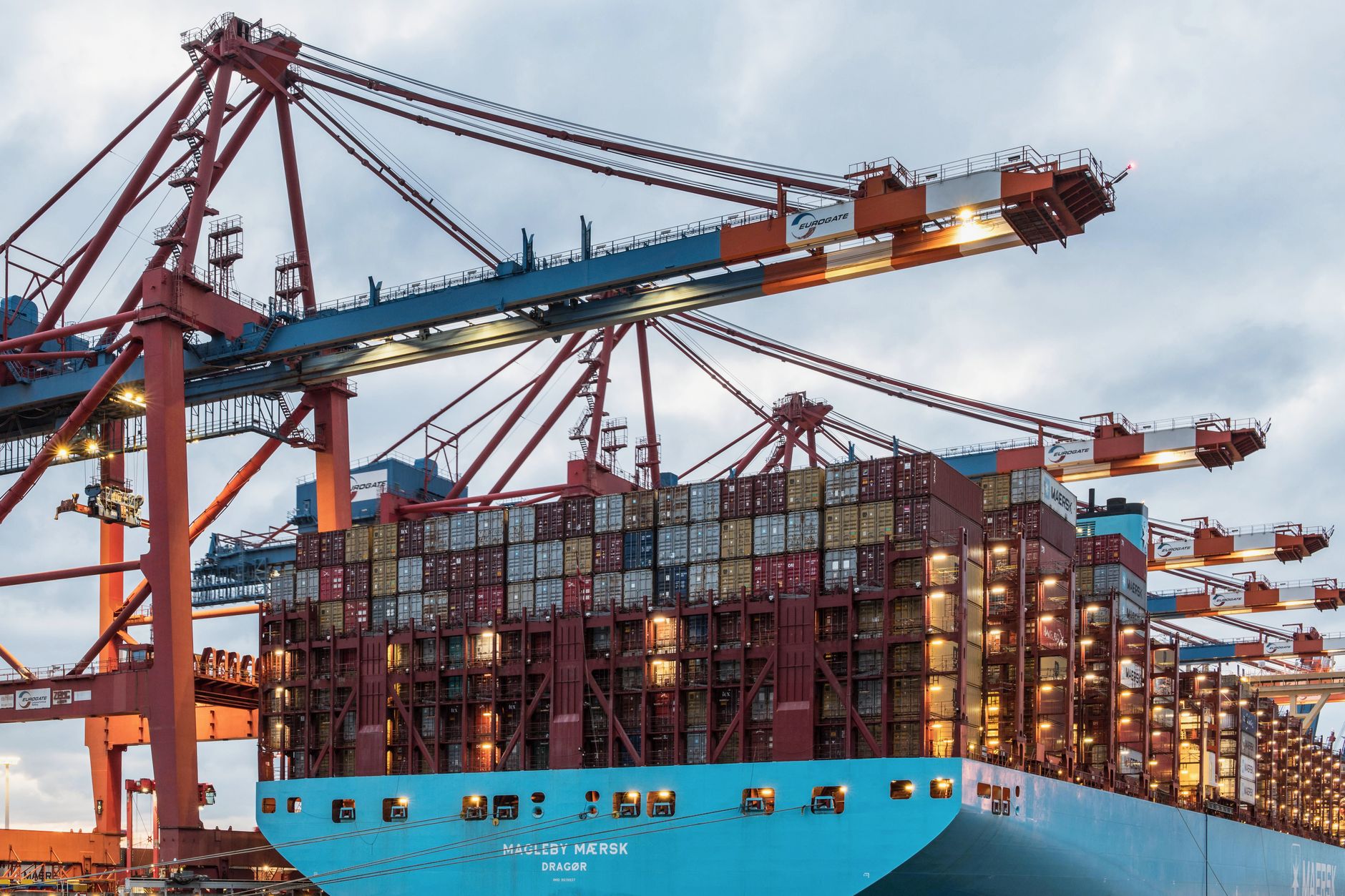
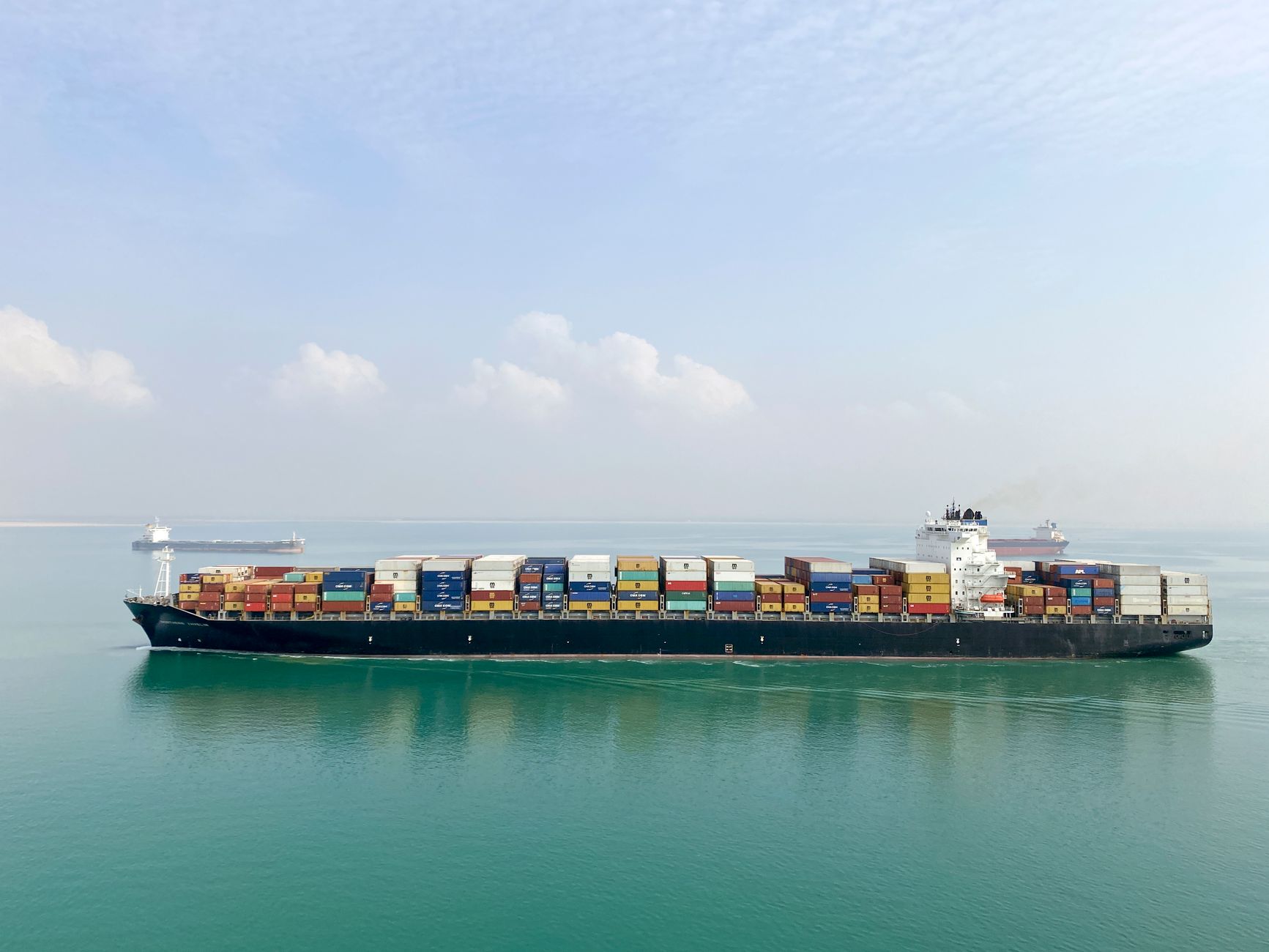
China’s stainless‑steel export volume fell 9.44 % in the Jan‑Oct 2026 period, according to SteelOrbis. The slowdown stems from weaker domestic demand, higher nickel and chromium input costs, and a strategic shift toward value‑added downstream processing. For OEMs and forging houses that depend on a steady stainless supply, the contraction creates a potential gap in the global supply chain.
Implications for Forging and Heavy Engineering
Stainless grades such as 304, 316 and high‑alloy martensitic steels are essential for pressure‑vessel, oil‑&‑gas and automotive components. A reduction in Chinese export capacity is likely to lengthen lead times and push buyers to diversify their sources. Indian manufacturers with proven expertise in open‑die forging, ring rolling and upsetting can meet the same technical specifications while offering more predictable logistics.
Buyers should first confirm the metallurgical compatibility of alternative suppliers. For example, a supplier that provides stainless steel forging ingots meeting ASTM/EN standards can feed directly into existing upset and ring‑rolling lines without re‑tooling. Likewise, continuous‑cast billets or blooms that match downstream rolling‑mill requirements can serve as a cost‑effective feedstock for in‑house bar production.
Kesari Alloys Perspective
For a forging‑grade steel manufacturer like Kesari Alloys, the Chinese export dip underscores the value of a diversified supply base. Kesari Alloys offers carbon, alloy and stainless steel forging ingots engineered for open‑die forging, ring rolling and upsetting, allowing customers to replace imported billets with domestically sourced ingots. The company’s broad grade portfolio, documented in its steel grade family overview, enables buyers to select the exact alloy chemistry required for critical applications, reducing the risk of material shortages.
In practice, a buyer looking for a reliable “alloy steel forging ingots manufacturer in India” can source stainless forging ingots from Kesari Alloys, complement them with continuous‑cast billets continuous cast billets for rolling, and secure rolled bars rolled bars for shafting. This integrated approach helps maintain production schedules while navigating the current export volatility.