Industry Ripple: Input Cost Surge and Automotive Pricing
Recent announcements from Maruti, Hyundai and Tata Motors to lift vehicle prices highlight a broader inflationary pressure on raw materials, especially steel used in chassis and power‑train components. Higher iron‑ore, coking‑coal and energy tariffs have driven up the cost of alloy and carbon steels used in open‑die forging and ring‑rolling operations. For OEMs that source directly from steel manufacturers, the margin squeeze forces a reassessment of grade selection and inventory strategy.
Forging‑grade steels such as 42CrMo4 or EN8 are common for crankshafts, connecting rods and transmission housings. When the base price of these grades climbs, OEMs can either absorb the increase, pass it to consumers—as seen in the recent price hikes—or shift to alternative grades that deliver comparable mechanical properties at lower cost. The choice depends on the component’s criticality, required fatigue strength and the supplier’s ability to guarantee consistent chemistry.
Supply‑Side View: Indian Forging Steel Landscape
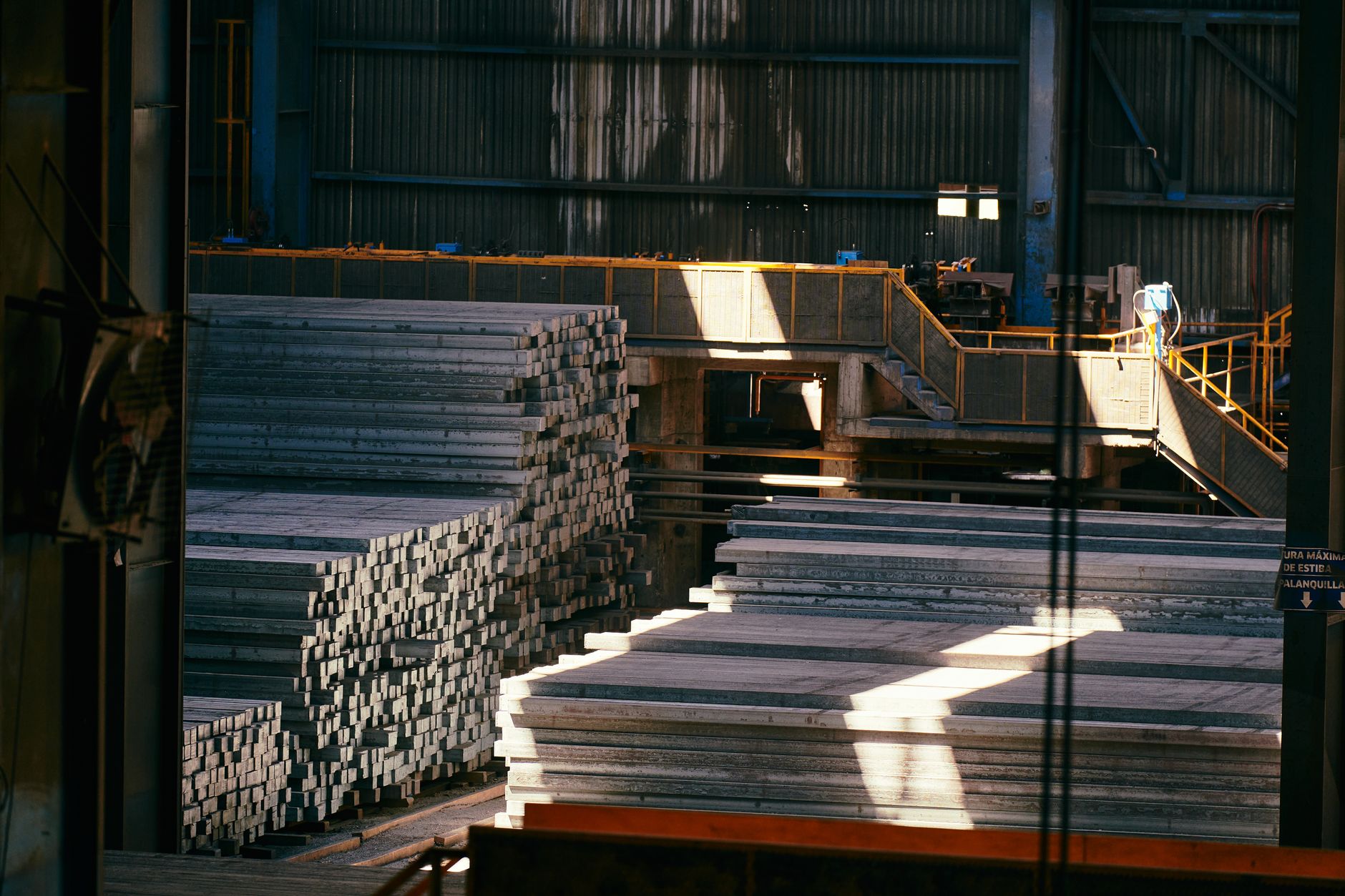
India’s forging‑steel ecosystem benefits from a mature domestic supply chain. Manufacturers like Kesari Alloys produce a full suite of forging ingots, continuous‑cast billets and rolled bars that feed downstream forging houses and component makers. Their product range includes carbon and alloy grades that meet the stringent specifications for automotive power‑train parts, allowing buyers to source from a single, reliable supplier rather than juggling multiple vendors.
Buyers should evaluate chemistry traceability, the ability to deliver both ingot and billet forms for different forging routes, and the flexibility to switch between grades such as EN8 and C45 when cost pressures arise. Partnering with a supplier that provides comprehensive grade data and consistent quality reduces the risk of re‑work and warranty claims.
Kesari Alloys Perspective
For a forging‑grade steel manufacturer like Kesari Alloys, the automotive price adjustments translate into heightened demand for cost‑effective yet high‑performance steels. Their forging ingots portfolio supplies the raw material for open‑die and upsetting processes, while the continuous cast billets and blooms enable efficient ring‑rolling of shafts and gears. OEMs looking to balance price and performance can also consider the rolled bars for shafting applications, which offer a ready‑to‑machine solution.
Buyers should prioritize a supplier that can provide the exact grade, form and heat‑treatment documentation required for automotive certification. Kesari Alloys’ long‑standing presence in Bhiwadi, Rajasthan, and its focus on carbon, alloy and stainless forging steels make it a strategic partner for manufacturers navigating the current cost environment.