Steel Prices
Aluminium Import Drop Pressures Indian Forgers to Rethink Alloy Strategies
4d ago•26 October 2026•2 min read•Source: Shanghai Metals Market
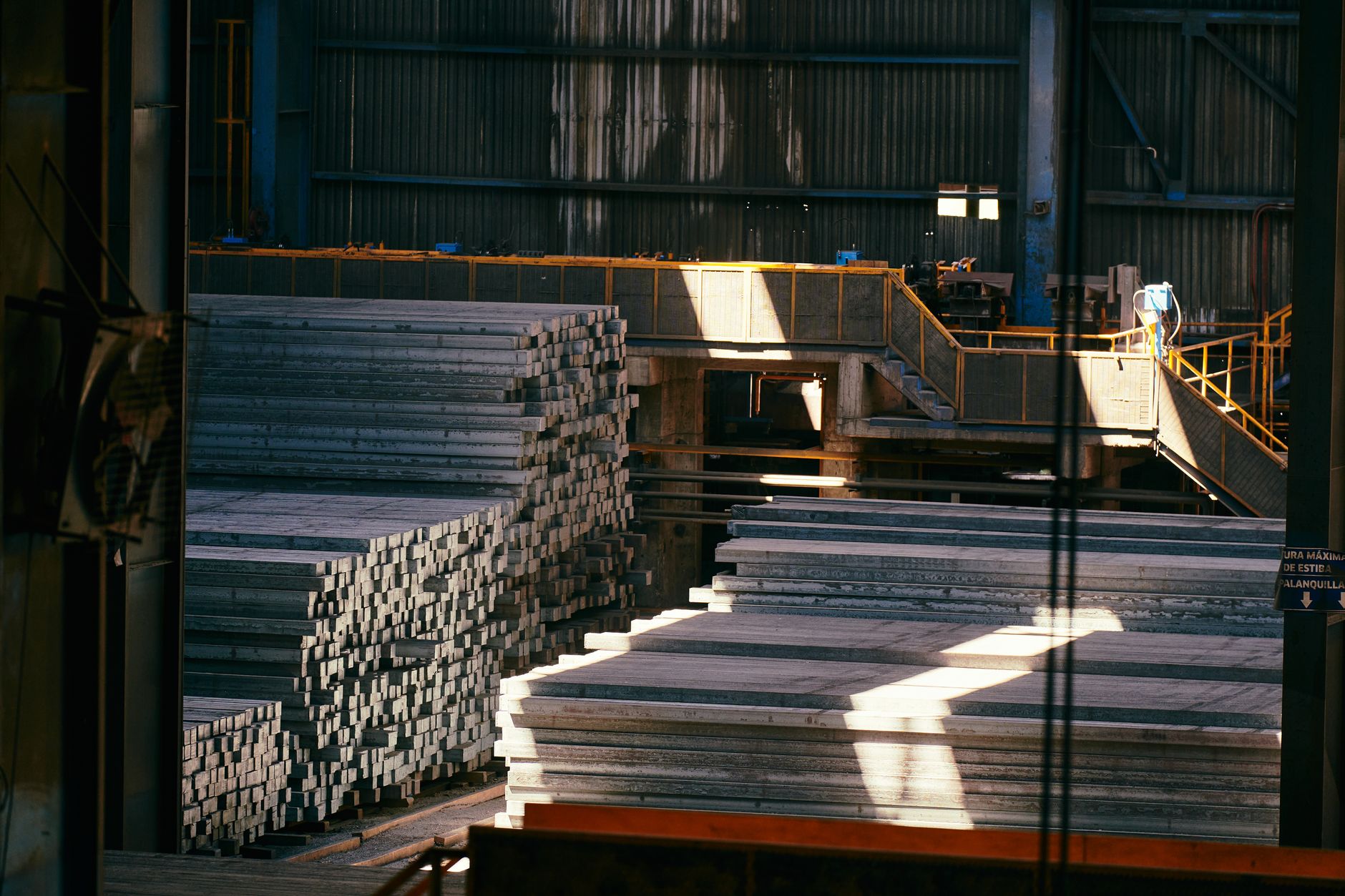
Photo: Willians Huerta / Pexels
Key Highlights
- Aluminium alloy imports to India fell 33% in August amid LME price surge.
- Higher aluminium costs push OEMs to consider steel substitutes for certain parts.
- Alloy steels such as 42CrMo4 and SAE4140 offer strength and fatigue benefits.
- Kesari Alloys provides forging ingots, billets and rolled bars suited for these grades.
- Buyers should align grade selection with forging process capabilities and lead‑time planning.
Market Shock: Aluminium Imports Slip 33% in August
Shanghai Metals Market reports a sharp 33% decline in Indian aluminium alloy imports for August, driven by a rally in LME aluminium prices. The contraction reflects tighter supply chains, higher freight costs and a strategic pivot by downstream OEMs toward domestic metal sourcing. While aluminium demand in automotive and renewable‑energy sectors remains robust, the price surge is prompting manufacturers to revisit material mixes for cost‑critical components.
Implications for Steel‑Based Forging
For forging houses, the aluminium squeeze creates a short‑term incentive to substitute steel in applications where weight penalties are acceptable, especially in power‑train housings and pressure‑vessel brackets. Alloy steel grades such as 42CrMo4 and SAE4140, known for high strength and good toughness, become attractive alternatives for components traditionally machined from aluminium but requiring higher fatigue resistance. Buyers should therefore evaluate the trade‑off between weight, performance and the current aluminium premium.
Kesari Alloys Perspective
Kesari Alloys, with a product portfolio that spans carbon, alloy and stainless steel forging ingots, continuous cast billets and rolled bars, is well positioned to supply the grades that can replace aluminium in cost‑sensitive forgings. The company's forging ingots are suitable for open‑die forging and ring‑rolling, processes that can deliver near‑net‑shape parts while keeping material waste low. Buyers looking for a reliable alloy steel forging ingots manufacturer in India should verify that the supplier offers the specific grades—such as 42CrMo4 alloy steel or SAE4140 alloy steel—that match their design specifications and heat‑treatment requirements. Additionally, the availability of continuous cast billets and blooms provides a flexible feedstock for downstream rolling mills, enabling rapid conversion to shafts or other precision components. Selecting a supplier with a broad grade family like steel grade family ensures that future material upgrades can be accommodated without changing the supply base.
Why This Matters for Steel Buyers
The aluminium price spike tightens budgets for manufacturers that rely on lightweight alloys. By qualifying steel grades like 42CrMo4 now, buyers can lock in a more predictable cost base and avoid sudden price spikes in future orders.
When qualifying a new supplier, ensure the vendor can deliver the exact grade and form—whether forging ingots or billets—required for your process. Kesari Alloys’ extensive grade catalogue, including forging ingots, simplifies the qualification step and reduces inventory risk.
Frequently Asked Questions
How can I replace aluminium components with steel without compromising weight targets?
Select high‑strength alloy steels such as 42CrMo4 or SAE4140, which allow thinner sections while delivering comparable mechanical performance; work with a supplier that offers forging ingots and billets to optimize near‑net‑shape production.
What forms of steel does Kesari Alloys provide for forging applications?
Kesari Alloys supplies carbon, alloy and stainless steel forging ingots, continuous cast billets and blooms, and rolled bars that are suitable for open‑die forging, ring rolling and upsetting.
Why should I consider a domestic steel supplier amid aluminium price volatility?
A local supplier like Kesari Alloys can reduce lead times, provide consistent pricing in INR and offer a full grade family to match design changes without the currency risk of imported aluminium.
Do I need to qualify multiple grades when switching from aluminium to steel?
Yes, evaluate at least two grades—one for high‑strength applications (e.g., 42CrMo4) and another for general‑purpose parts (e.g., SAE4140)—to ensure you have flexibility as design requirements evolve.
#aluminium import decline
#alloy steel manufacturer india
#forging ingots
#steel grade selection
#price volatility