Steel Prices

Alang Ship‑Breaking Scrap Rises Amid Mixed Regional Steel Trends

Alang Ship‑Breaking Scrap Rises Amid Mixed Regional Steel Trends

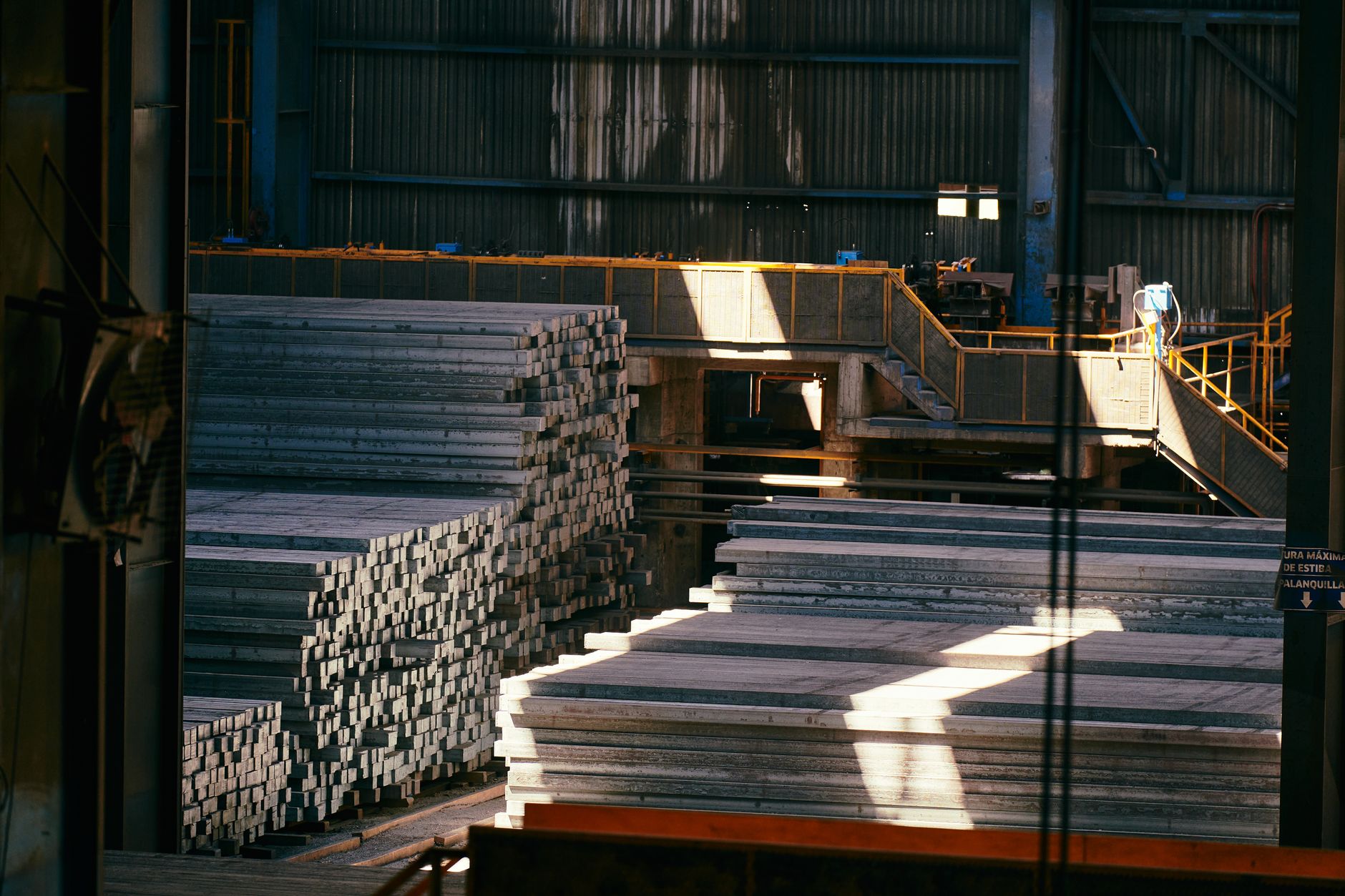
Photo: Willians Huerta / Pexels

Key Highlights

  • Alang ship‑breaking scrap prices climb amid tighter yard inventories.
  • Regional steel markets show mixed trends, creating pricing arbitrage opportunities.
  • Volatile scrap quality pushes OEMs to consider primary forging ingots for consistency.
  • Kesari Alloys offers certified forging ingots, billets and bars to offset scrap price risk.
  • Grade selection (e.g., C45 vs. alloy steel) remains critical for performance and cost control.

Market Pulse: Alang Scrap vs. Regional Steel Prices

The Alang ship‑breaking yard reported a noticeable uptick in scrap‑steel prices this month, driven by tighter inventories at major dismantling yards and a surge in demand from domestic steel mills seeking low‑cost feedstock. At the same time, neighboring markets such as Southeast Asia and the Middle East are moving in opposite directions – some are seeing price softening because of excess imports, while others remain steady on the back of infrastructure projects.

For forging and heavy‑engineering OEMs, this price divergence creates a strategic choice: lock in higher‑grade scrap now before further escalation, or pivot to primary steel grades that may offer more predictable cost curves. The decision often hinges on the alloy requirements of the component – for example, high‑strength alloy‑steel forgings versus carbon‑steel shafts.

Implications for Forging‑Grade Steel Procurement

When scrap quality is volatile, many buyers reassess the economics of using virgin material. High‑integrity forging ingots, such as those offered by Kesari Alloys, provide consistent chemistry and mechanical properties that are essential for open‑die forging, ring rolling, and upsetting operations. Selecting a reputable forging ingots supplier can mitigate the risk of hidden impurities that sometimes appear in ship‑breaking scrap.

Kesari Alloys Perspective

For a manufacturer like Kesari Alloys, the Alang price rise underscores the value of offering a full suite of primary steel products – from carbon and alloy forging ingots to continuous‑cast billets and rolled bars. Buyers who need tight tolerances and repeatable performance can source directly from an Indian alloy‑steel forging ingots manufacturer in India, reducing reliance on fluctuating scrap supplies. Evaluating grade specifications against the application – for instance, choosing a C45 carbon‑steel billet for medium‑strength shafts – ensures that the final forged component meets design‑life and safety standards while keeping material costs transparent.

In practice, forging houses should compare the total landed cost of high‑grade scrap versus certified primary grades, factoring in processing losses, reheating cycles, and quality‑assurance expenses. Kesari Alloys’ portfolio enables a seamless switch between ingot, billet or bar formats, supporting both short‑run prototype runs and large‑scale production runs without compromising metallurgical integrity.
Why This Matters for Steel Buyers

The rising scrap premium at Alang erodes the traditional cost advantage of recycled material, especially for high‑precision forgings where impurity tolerance is minimal. Sourcing directly from an alloy‑steel forging ingots manufacturer in India, such as Kesari Alloys, delivers traceable chemistry and eliminates the need for extensive re‑testing.

Buyers should adopt a layered inventory strategy: a forward contract for continuous‑cast billets can lock in price for upcoming ring‑rolling projects, while a modest scrap buffer is retained for less critical parts, preserving flexibility without exposing the project to price spikes.

Finally, matching the selected grade to the specific application – for example, using C45 carbon steel for medium‑strength shafts – balances material cost against mechanical performance, safeguarding project profitability even as market volatility persists.

Frequently Asked Questions

How does rising ship‑breaking scrap affect the cost of forged components?
Higher scrap prices increase the raw material cost for forgings that rely on recycled steel, prompting many OEMs to shift to primary grades for better price predictability.
What advantages do primary forging ingots have over scrap in open‑die forging?
Primary ingots offer consistent chemistry, fewer inclusions, and reliable mechanical properties, which are essential for achieving design tolerances in open‑die forging.
Can Kesari Alloys supply the grades needed for both high‑strength alloy and carbon‑steel forgings?
Yes, Kesari Alloys provides a broad grade family including alloy steels for high‑strength applications and carbon steels like C45 for medium‑strength parts.
What should a buyer look for when qualifying a forging steel supplier in India?
Buyers should verify the supplier’s product range (ingots, billets, bars), grade certifications, and ability to meet specific forging processes such as ring rolling or upsetting, all of which Kesari Alloys can demonstrate.
#steel prices #ship breaking scrap #forging ingots #alloy steel manufacturer india #continuous cast billets
Source reporting: BigMint · original article