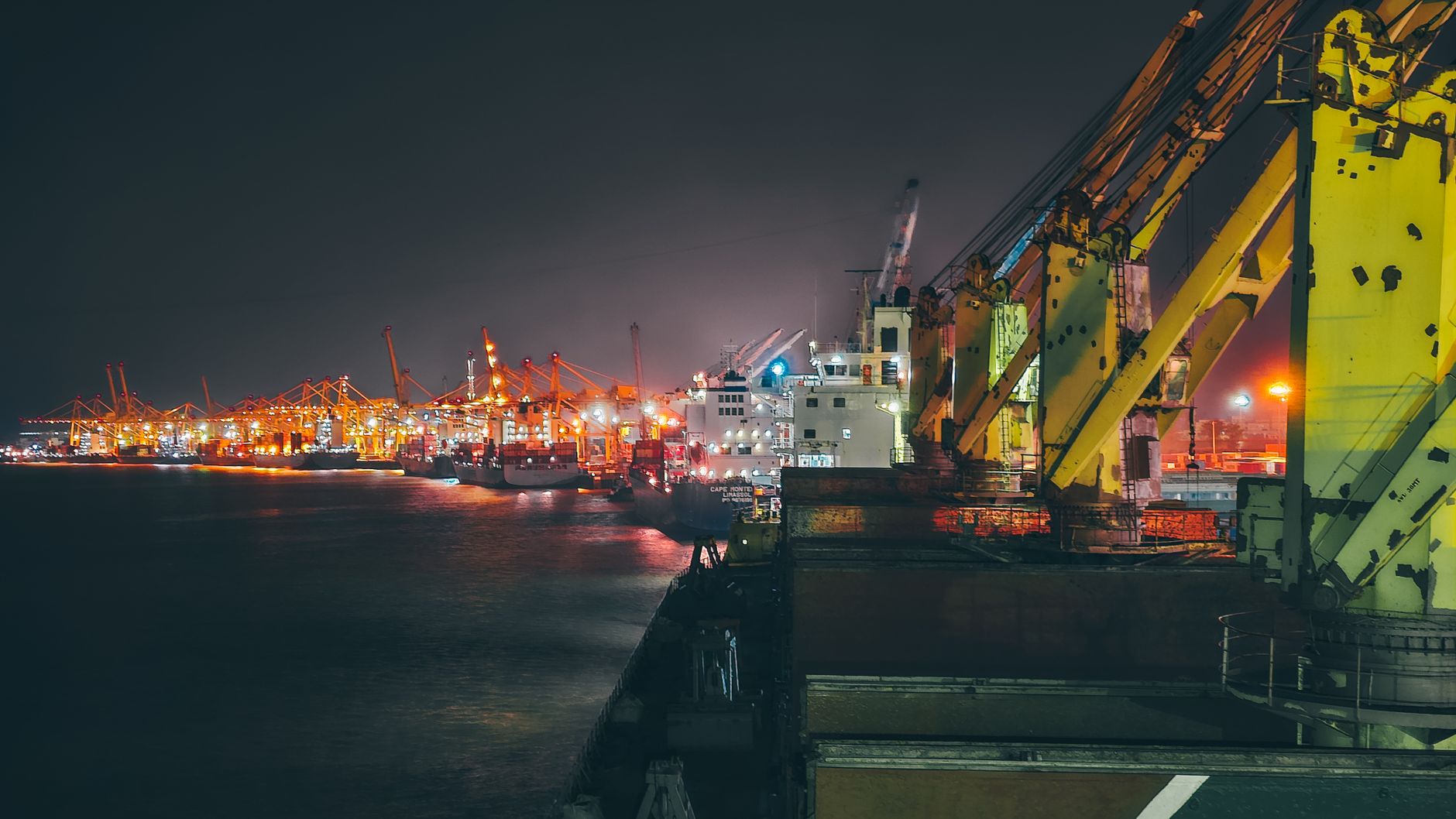
Trade Action and Its Immediate Impact
The U.S. Department of Commerce and the International Trade Commission have launched anti‑dumping (AD) and countervailing duty (CVD) investigations into seamless pipes from India and Georgia. The probes follow complaints from domestic producers who argue that imported pipe blanks are being sold at artificially low prices and subsidised by foreign governments. If duties are imposed, the landed cost of Indian pipe products could rise 15‑30%, reshaping the competitive landscape for downstream OEMs in oil & gas, power generation and heavy‑engineering.
For forging‑focused supply chains, the key concern is the availability of high‑quality steel blanks that meet tight chemical and mechanical specifications. Many U.S. customers currently source pipe blanks from Indian steelmakers that also produce forging ingots for open‑die and ring‑rolling applications. A duty increase is likely to push buyers toward alternative sources that can guarantee consistent grade control and traceability.
Industry Context: Shifting Sourcing Strategies
Historically, Indian seamless‑pipe exporters have leveraged a broad portfolio that includes carbon, alloy and stainless‑steel grades. The current investigation highlights the need to diversify the supplier base, especially for critical grades such as 42CrMo4, EN8 or C45, which are common in high‑pressure vessels and automotive forgings. Buyers are expected to reassess inventory buffers, negotiate longer contract terms and explore domestic or other low‑tariff origins.
In this environment, manufacturers that can supply both ingots and downstream forms—such as continuous‑cast billets—gain a strategic edge. Kesari Alloys, for example, offers a full suite of forging‑grade steel products that can be sourced directly from an Indian mill with proven quality systems.
Kesari Alloys Perspective
For a forging‑grade steel supplier like Kesari Alloys, the AD/CVD investigations signal a need to reinforce supply‑chain transparency and to showcase the technical merits of its product line. Buyers searching for "alloy steel forging ingots manufacturer in India" can evaluate Kesari’s forging ingots for open‑die, ring‑rolling and upsetting operations, ensuring that chemical composition aligns with ASTM and EN standards.
Moreover, the company's continuous cast billets and blooms provide a seamless transition from raw material to forged component, reducing handling steps and potential quality loss. By pairing these billets with the appropriate grade from the steel grade family catalogue, OEMs can mitigate the risk of duty‑related cost spikes while maintaining performance specifications.