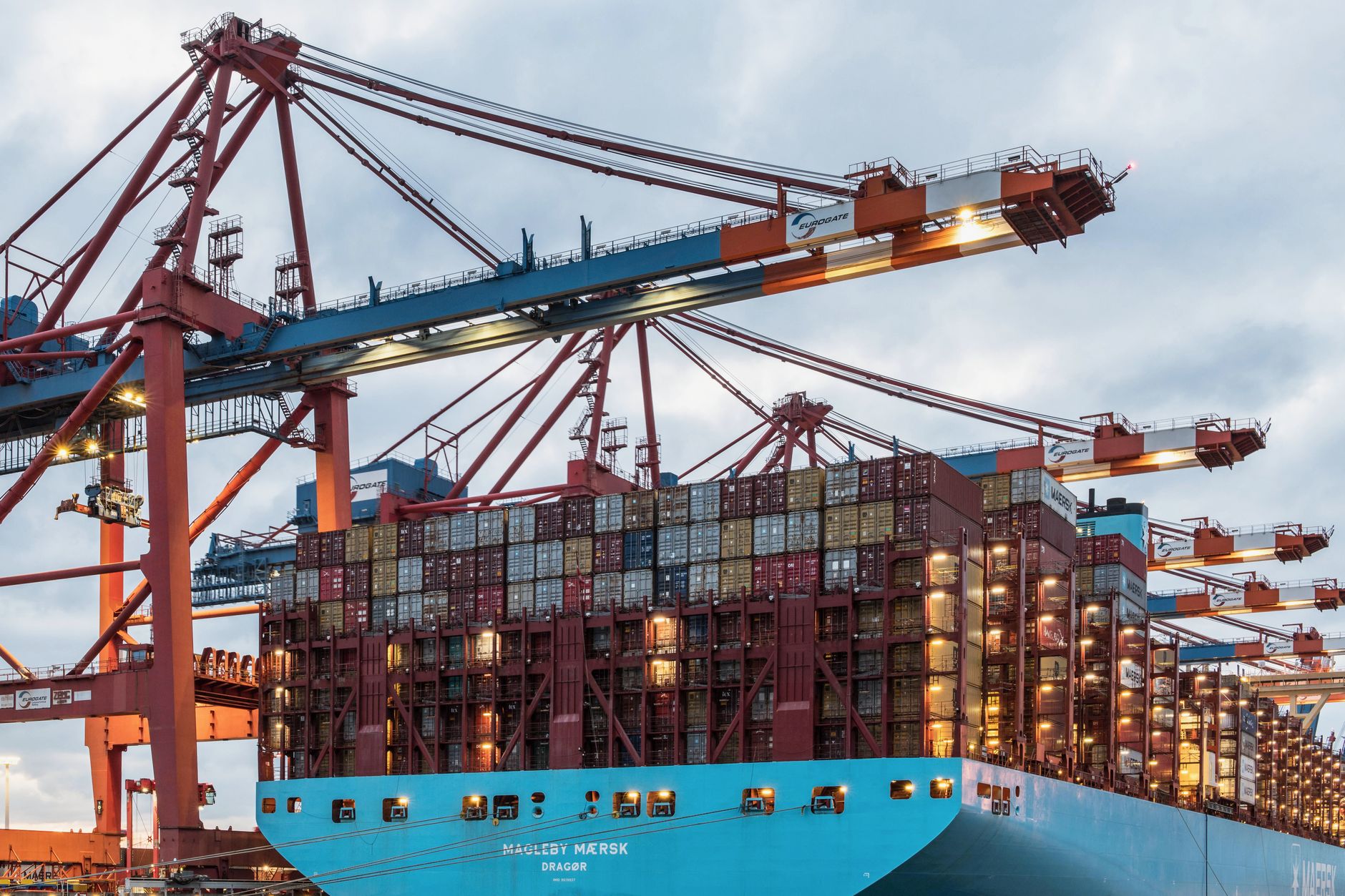
Impact of the India‑New Zealand FTA on Steel Imports
The recent notification of preferential tariffs and reduced customs duties for a range of steel products under the India‑New Zealand Free Trade Agreement (FTA) creates a clear cost advantage for Indian exporters. Effective 20 October 2026, the concession list lowers duties on alloy and carbon steel billets, bars and ingots that are widely used in automotive, power‑generation and heavy‑engineering applications. For OEMs and distributors in New Zealand, the tariff cut translates into a 5‑10 % price improvement on comparable foreign‑sourced material, narrowing the competitive gap with traditional suppliers from Europe and North America.
From a supply‑chain perspective, the FTA also introduces quantitative restrictions (TRQs) that allocate a limited volume of duty‑free imports. Although the TRQs are modest, they signal India’s intent to sustain a steady flow of high‑quality steel. Buyers should track the allocation schedule and consider early procurement to secure quota‑based pricing.
Strategic Implications for Forging Companies
Forging houses that rely on open‑die, ring‑rolling or upsetting processes stand to benefit directly because the reduced duties apply to the raw material forms they purchase – notably forging ingots and continuous‑cast billets. A supplier with a broad grade portfolio can meet the specific mechanical properties required for aerospace‑grade shafts, power‑turbine components or high‑strength automotive parts without incurring the previous tariff penalty.
In practice, a buyer seeking a resilient alloy such as 42CrMo4 or a versatile carbon steel like C45 will now see the landed cost converge with that of locally sourced material, making Indian sourcing financially attractive. The FTA also encourages Indian manufacturers to invest in quality‑assurance systems to satisfy New Zealand’s stringent import requirements, which should raise the overall reliability of the supply base.
Kesari Alloys Perspective
For a manufacturer like Kesari Alloys, the new duty concessions reinforce the business case for positioning its forging ingots as a cost‑effective alternative for New Zealand OEMs. Kesari Alloys’ extensive grade range – from carbon to stainless and alloy steels – aligns with the tariff‑reduced categories, allowing buyers to source the exact chemistry they need, whether for high‑temperature pressure vessels or precision gear blanks.
Buyers should evaluate the full suite of products, including forging ingots and continuous cast billets, to optimise both price and performance. By selecting a reputable Indian supplier that adheres to the FTA’s import conditions, New Zealand distributors can secure a reliable pipeline of alloy‑steel forging ingots, while also benefiting from reduced customs duties.