Company Updates
US Grey Cast Iron Prices Tied to Steel Output and Rising Transpacific Freight
29 Sep 2026•29 September 2026•2 min read•Source: Google News

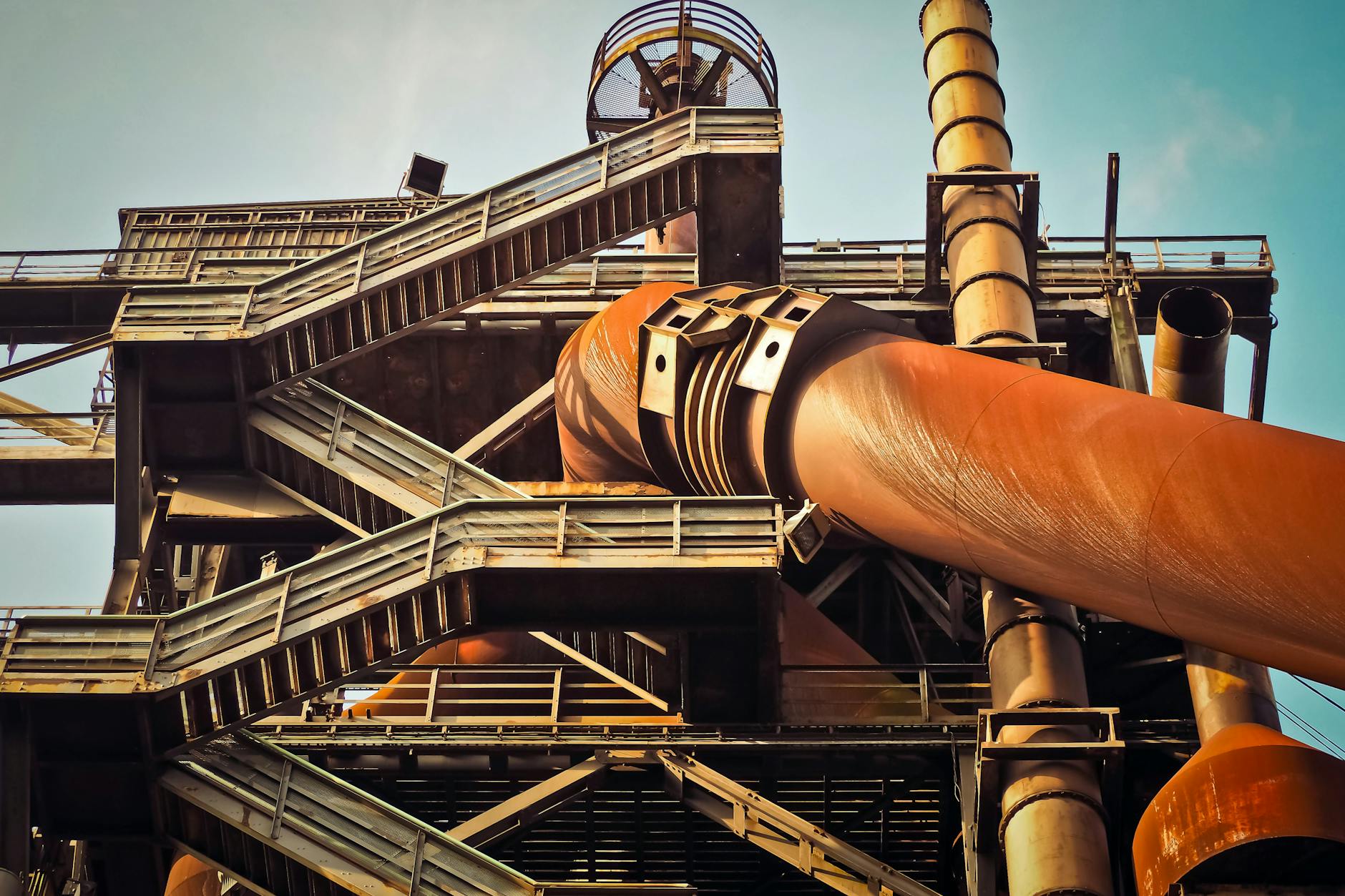
Photo: Bence Szemerey / Pexels
Key Highlights
- U.S. grey cast iron prices now track domestic steel output levels.
- Transpacific freight rates above $2,500/TEU add a significant landed cost premium.
- Forging firms must balance scrap scarcity against freight‑driven import costs.
- Domestic ingot and billet suppliers can mitigate freight risk for critical forgings.
Market Overview
The latest ChemAnalyst report shows that U.S. grey‑cast‑iron pricing is increasingly tied to two macro‑factors: domestic steel production levels and the surge in trans‑Pacific container freight. When steel mills throttle output, scrap supplies tighten, lifting the base price of grey iron. At the same time, freight rates from Asian suppliers have risen above $2,500 per TEU, embedding a freight premium into the landed cost of imported iron and steel billets.
Implications for Forging Supply Chains
Forging houses that depend on grey cast iron for cores, housings or pre‑heat blocks must monitor both steel‑mill run rates and the freight index. A dip in U.S. steel runs can force a shift to imported billets, but the freight penalty may erode any price advantage. Conversely, when freight stabilises, Asian‑origin billets become more competitive, prompting OEMs to reassess inventory buffers.
Kesari Alloys Perspective
For a forging‑grade steel supplier like KESARI ALLOYS, the dual pressure on scrap and freight underscores the value of domestic, high‑quality ingot and billet offerings. Buyers seeking to avoid freight volatility can source forging ingots produced in Bhiwadi, which are certified for open‑die forging, ring rolling and upsetting. Likewise, the continuous cast billets and blooms provide a ready‑to‑forge feedstock that sidesteps costly overseas transport. By selecting a local manufacturer with a broad steel grade family portfolio, OEMs can lock in material cost, reduce lead‑time exposure, and maintain consistent mechanical properties across their product lines.
Why This Matters for Steel Buyers
The combination of lower steel runs and higher freight can cause the landed price of grey cast iron to swing 5‑10% month‑over‑month. Buyers should therefore qualify suppliers that can provide locally‑milled material—such as Kesari Alloys' forging ingots—to keep total acquisition cost predictable.
When freight spikes, inventory strategies shift. Maintaining a buffer of domestic billets—e.g., the continuous cast billets and blooms from Kesari Alloys—reduces reliance on last‑minute imports and protects production schedules.
For specifications and applications, see Kesari Alloys’ rolled bars page.
Frequently Asked Questions
How does U.S. steel mill output affect grey cast iron pricing?
Reduced steel runs tighten scrap supplies, which raises the base price of grey cast iron used in many forging applications.
Can sourcing from an Indian ingot manufacturer help avoid freight volatility?
Yes, buying domestic forging ingots from a supplier like Kesari Alloys eliminates the transpacific freight component, stabilising landed cost.
What grades from Kesari Alloys are suitable for open‑die forging?
Kesari Alloys offers a full steel grade family, including carbon and alloy grades such as C45 and EN8, suitable for open‑die forging.
Should I keep a stock of continuous cast billets for my forging shop?
Maintaining a local inventory of continuous cast billets and blooms from Kesari Alloys can hedge against freight spikes and supply disruptions.
#grey cast iron market
#steel output impact
#transpacific freight
#alloy steel manufacturer india
#forging ingots