Company Updates

India’s 600 MT Steel Capacity Goal Raises Stakes for Forging‑Grade Suppliers

India’s 600 MT Steel Capacity Goal Raises Stakes for Forging‑Grade Suppliers

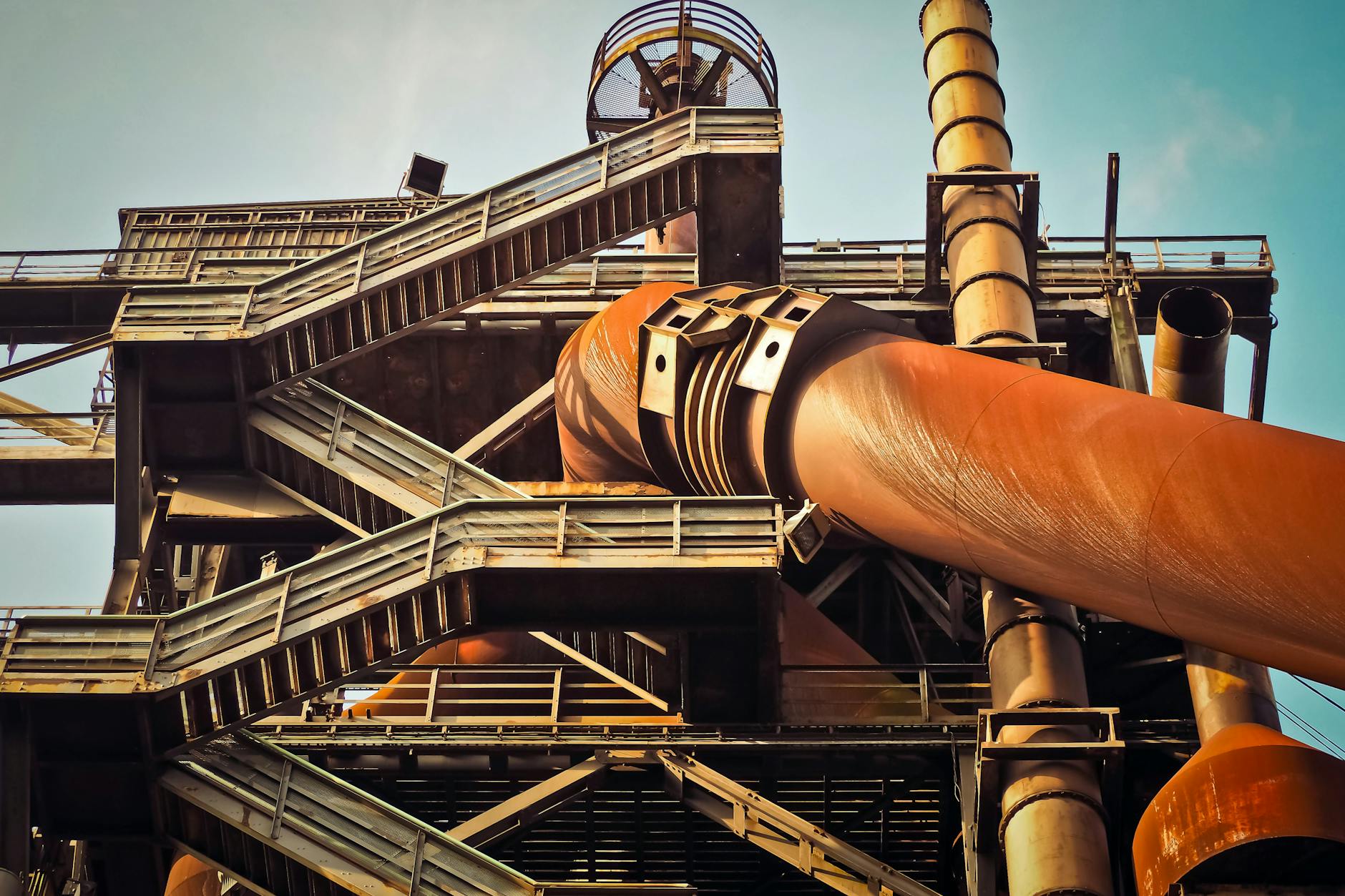
Photo: Mike van Schoonderwalt / Pexels

Key Highlights

  • India aims for 600 MT steel capacity by 2047, prompting new import‑duty policies.
  • Domestic capacity growth will increase demand for forging‑grade ingots and billets.
  • Buyers must match grade chemistry to open‑die, ring‑rolling or upsetting processes.
  • Flexibility in product form (ingots, billets, bars) becomes a key supplier differentiator.
  • Kesari Alloys' broad grade portfolio and multiple product forms meet these emerging requirements.

Policy Drive and Capacity Expansion

India’s plan to lift domestic steel capacity to 600 million tonnes by 2047 is anchored in a forthcoming policy package that will likely tighten import duties, reshape supply curves and push more downstream users toward locally sourced material. The target represents a 30 % increase over current capacity and is being pursued to meet rising demand from automotive, infrastructure and renewable‑energy projects.

For forging‑grade steel producers, the expansion means a larger pool of raw‑material contracts and a need to secure consistent grades that can survive open‑die forging, ring rolling and upsetting operations. Buyers will be scrutinising alloy chemistry, heat‑treatment response and the availability of continuous‑cast billets that feed modern forging lines.

Implications for the Forging Supply Chain

Higher domestic capacity should improve the reliability of supply for grades such as 42CrMo4, 4140 or EN8, but it also introduces competition among Indian ingot makers. Companies that can demonstrate a broad grade portfolio and flexible product forms—ingots, billets or rolled bars—will be better positioned to serve OEMs that are tightening lead‑times.

In this environment, sourcing decisions will hinge on three factors: the ability to obtain the exact grade required, the form factor that matches the forging process, and the credibility of the manufacturer as an "alloy steel forging ingots manufacturer in India." For example, a supplier that offers both forging ingots and continuous cast billets can meet the needs of a plant that runs both open‑die and ring‑rolling lines without changing vendors.

Kesari Alloys Perspective

Kesari Alloys, with its long‑standing presence in Bhiwadi, Rajasthan, is well‑placed to benefit from the policy shift. Its catalog spans carbon, alloy and stainless steel grades, and it provides the full suite of forging‑ready forms—ingots, billets and rolled bars. Buyers looking to future‑proof their supply chain should evaluate whether a supplier can deliver the specific grade in the exact shape required for their tooling, and Kesari’s grade family steel grade family makes that comparison straightforward.

In practice, a manufacturer planning new forging capacity would prioritize partners that can supply consistent chemistry for critical grades like EN8 or C45 while also offering the flexibility to shift between ingot and billet deliveries as production ramps up. Kesari Alloys’ integrated offering aligns with those needs, helping OEMs and distributors lock in quality and reduce change‑over risk.
Why This Matters for Steel Buyers

India’s tightening of steel import duties will erode the price advantage of foreign forging grades, making domestic alloys such as EN8 or C45 more cost‑effective. Buyers that qualify suppliers capable of delivering the exact alloy chemistry in the required form—ingot for open‑die forging or billet for ring rolling—will avoid costly re‑qualification tests and keep production schedules intact.

Because expanded capacity is expected to compress lead times, manufacturers with stocked inventories of key grades can meet urgent orders within days rather than weeks. For instance, firms that already hold the grades listed on the C45 carbon steel page can ship immediately, helping OEMs stay on critical path and reducing the risk of project delays.

Frequently Asked Questions

What impact will the new steel policy have on forging‑grade steel prices in India?
Higher import duties are expected to lift domestic price baselines, making locally produced forging ingots and billets more competitive relative to imports.
Which product forms should I prioritize for a mixed open‑die and ring‑rolling operation?
Consider a supplier that offers both forging ingots and continuous cast billets so you can match each process without switching vendors.
How can I verify that a supplier’s grade chemistry meets my forging specifications?
Review the supplier’s grade family documentation—such as Kesari Alloys’ [[L2|steel grade family]]—and request mill test reports for each batch.
Is Kesari Alloys a viable source for alloy steel forging ingots manufacturer in India?
Yes, Kesari Alloys manufactures carbon, alloy and stainless steel forging ingots, billets and rolled bars from its Bhiwadi facility, serving the automotive, power and heavy‑engineering sectors.
#india steel capacity #forging ingots #alloy steel manufacturer india #steel grade selection #continuous cast billets
Source reporting: Google News: steel import duty India · original article