Company Updates
Tata Steel’s Phase‑2 Sustainability Drive Shifts Scrap Dynamics for Forging Suppliers
3h ago•9 October 2026•2 min read•Source: Google News: steel scrap price India

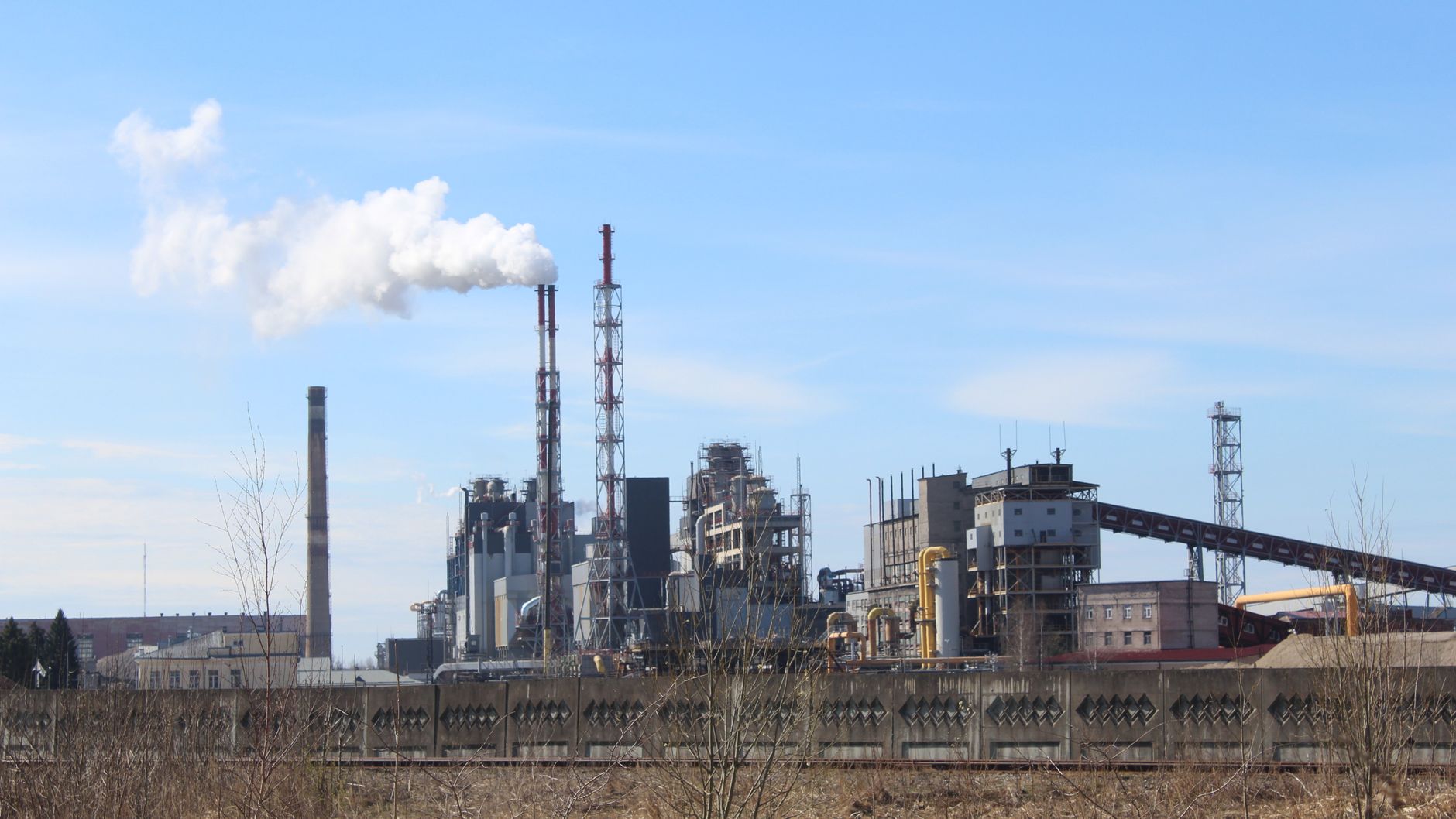
Photo: Jakub Zerdzicki / Pexels
Key Highlights
- Tata Steel’s Phase‑2 sustainability plan raises recycled‑steel usage in India.
- Increased scrap demand may tighten premiums and affect alloy chemistry.
- Forging firms need reliable virgin‑metal ingots to maintain grade tolerances.
- Kesari Alloys offers both forging ingots and continuous cast billets for flexibility.
- C45 carbon steel remains a key grade for automotive and heavy‑engineering applications.
Industry Shift: Tata Steel’s Green Initiative
Tata Steel’s Phase 2 of the #WeAlsoMakeTomorrow programme emphasizes recycled‑content steel and low‑carbon production routes. By committing to higher scrap utilisation and renewable‑energy‑powered furnaces, the company is expected to tighten the supply‑demand balance for high‑grade scrap in India. This will likely compress scrap premiums and force downstream fabricators to reassess the economics of scrap‑based billets versus virgin‑material ingots.
For forging houses that depend on consistent chemistry, the shift creates a dual pressure: maintain tight alloy specifications while managing cost volatility. Grades such as 42CrMo4 or 4140, traditionally sourced as forged ingots, may see narrower tolerances on residual elements if scrap blends change. Suppliers that can control melt chemistry will gain a clear competitive edge.
Implications for Forging Material Sourcing
Buyers should evaluate manufacturers that offer both virgin‑metal forging ingots and high‑quality continuous‑cast billets to hedge against scrap‑price swings. Kesari Alloys provides a full suite of forging ingots produced from virgin feedstock, ensuring predictable alloy content for open‑die forging, ring rolling and upsetting. For volume‑critical projects that demand consistent dimensions, the company’s continuous cast billets and blooms deliver the uniformity required for ring‑rolling and subsequent rolling operations.
Specific grades like C45 carbon steel remain popular for crankshafts and gear blanks, and sourcing them from a supplier with strict chemical control can mitigate the risk of scrap‑induced variability.
Kesari Alloys Perspective
For a forging‑grade steel manufacturer such as Kesari Alloys, Tata Steel’s sustainability push underscores the importance of offering both virgin‑material ingots and high‑integrity billets. Customers seeking to meet green‑procurement criteria can source forged components from Kesari’s ingot range while still leveraging the cost advantages of billets where permissible. This dual‑track approach helps buyers balance ESG goals with performance and price stability, especially as scrap dynamics become increasingly volatile.
Buyers looking for an "alloy steel forging ingots manufacturer in India" should assess the supplier’s ability to guarantee chemical consistency, traceability and the flexibility to switch between ingot and billet formats as project requirements evolve.
Why This Matters for Steel Buyers
Scrap‑price volatility directly affects the cost base of forged components. When premiums rise, a supplier that can deliver virgin‑metal ingots protects critical grades—such as 42CrMo4, 4140, or C45—from chemical drift, preserving dimensional tolerances and fatigue performance. Conversely, continuous‑cast billets provide a lower‑cost alternative for high‑volume ring‑rolling, allowing buyers to contain expenses without sacrificing quality.
Because many OEMs now include ESG criteria in their procurement policies, the ability to source from a vendor that guarantees traceable, virgin‑feedstock can be a decisive factor in winning contracts. Kesari Alloys’ steel grade family page lists more than 100 grades, giving engineers the flexibility to select the exact alloy needed for a given application while staying with a single, chemically‑controlled supplier.
Frequently Asked Questions
How does Tata Steel’s increased scrap usage affect alloy steel pricing?
Higher scrap demand can lift scrap premiums, which may raise the cost of scrap‑based billets, while virgin‑metal ingots may retain more stable pricing.
What advantage do forging ingots have over billets in a tightening scrap market?
Forging ingots are produced from virgin feedstock, offering tighter control of chemistry and reducing the risk of scrap‑induced variability.
Can Kesari Alloys meet green‑procurement requirements for forged components?
Yes, Kesari Alloys supplies both virgin‑material forging ingots and continuous cast billets, allowing buyers to choose the most ESG‑aligned option for each application.
Which Kesari product should I specify for a high‑volume crankshaft project?
For crankshafts, the C45 carbon steel grade is a common choice; Kesari Alloys’ C45 offering provides the required hardness and machinability.
#sustainability steel india
#alloy steel manufacturer india
#forging ingots
#continuous cast billets
#carbon steel grades