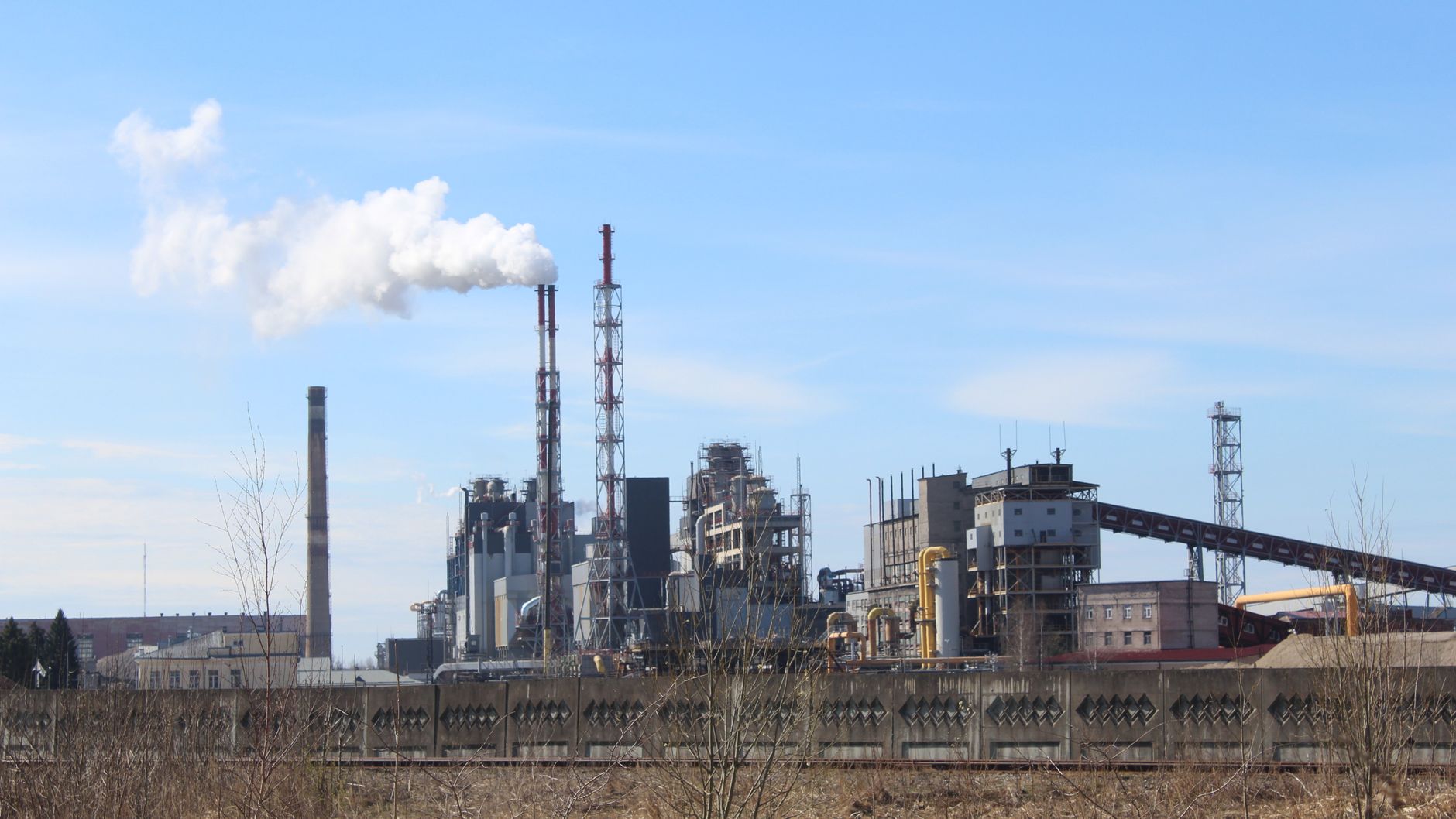
Market Shift: JSW Steel’s Output Gains Momentum
JSW Steel reported a 5% increase in crude steel production for Q2 FY27, reaching 7.27 million tonnes. The rise is driven by stronger demand in automotive and infrastructure projects, together with a modest recovery in stainless‑steel orders. While the headline focuses on bulk crude steel, the downstream effect on specialty grades—especially those used in open‑die forging, ring rolling and upsetting—cannot be ignored.
Forging‑grade alloys such as 42CrMo4, 34CrNiMo6 and high‑strength stainless families are typically sourced from the same hot‑rolling streams that feed JSW’s primary output. Higher overall crude‑steel volume can improve the availability of these specialty billets, but it may also intensify competition among OEMs and distributors seeking consistent chemistry and mechanical properties.
Supply‑Chain Ripple Effects for Forging Companies
For manufacturers of heavy‑duty components, the key question is whether the uplift in crude steel translates into a stable supply of high‑quality forging ingots and billets. Indian producers such as Kesari Alloys, with a diversified portfolio of carbon, alloy and stainless steel forging ingots, are positioned to meet the incremental demand without compromising grade integrity. Buyers should scrutinise melt‑track records and traceability, especially for critical applications like power‑generation turbines or oil‑&‑gas pressure vessels.
In addition to ingots, continuous‑cast billets and blooms remain a cost‑effective feedstock for ring‑rolling and subsequent forging operations. Companies that can source billets with tight chemistry tolerances and clean surface conditions will benefit from reduced re‑work and higher yield.
Kesari Alloys Perspective
Kesari Alloys, an established Indian manufacturer of forging ingots, continuous‑cast billets and rolled bars, views JSW’s production boost as a positive signal for the domestic supply chain. The extra crude‑steel volume expands the melt pool, allowing allocation to specialty grades without the pressure of import‑driven shortages. Buyers looking for a reliable alloy‑steel forging ingots manufacturer in India should verify the grade certifications and heat‑traceability that Kesari Alloys provides across its 100+ grade portfolio.
Moreover, the availability of high‑quality billets enables OEMs to optimise forging schedules and trim inventory buffers. By partnering with a supplier that offers both ingots and billets, such as Kesari Alloys, manufacturers can streamline procurement and maintain consistent mechanical performance across product lines.
For projects requiring medium‑carbon steels like C45 carbon steel for shafts or gear components, the expanded crude output helps ensure that the necessary billets are on hand, supporting timely delivery and cost stability.

