Company Updates
Tata Steel’s 10% YoY Crude Output Rise Signals New Demand Pulse for Forging Ingots
6h ago•8 October 2026•2 min read•Source: Google News: steel plant expansion India

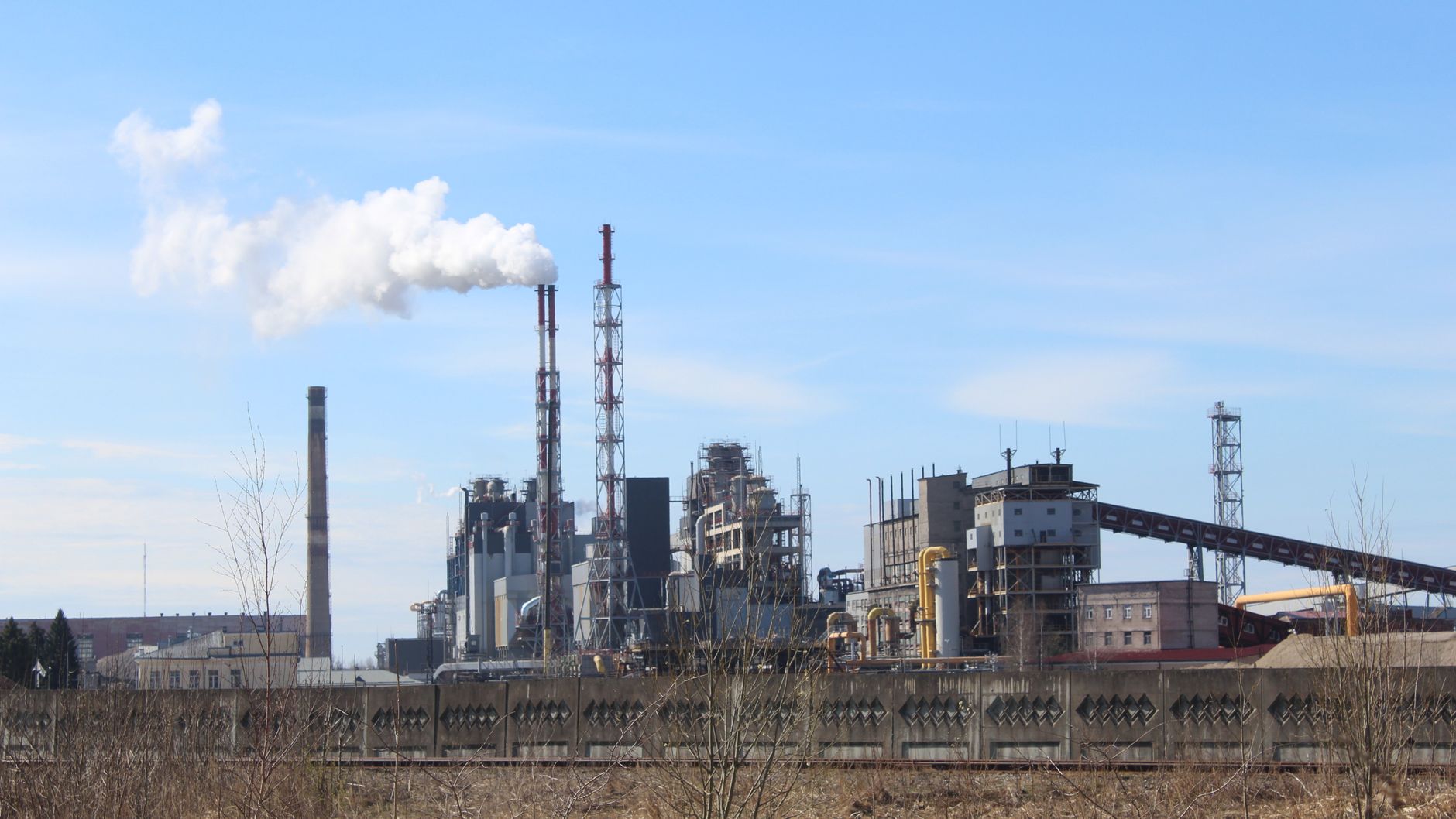
Photo: Bence Szemerey / Pexels
Key Highlights
- Tata Steel’s crude steel output rose 10% YoY to 6.21 Mt.
- Higher automotive, power and oil‑&‑gas activity is driving forging demand.
- Standard carbon grades may see price softening; alloy grades likely stay firm.
- Buyers need forging‑grade ingots with tight chemistry for open‑die and ring rolling.
- Kesari Alloys provides a full range of ingots, billets and bars to meet this demand.
Market Shift Overview
Tata Steel’s reported 10% year‑over‑year increase in crude steel production to 6.21 million tonnes underscores a broader rebound in Indian primary‑steel capacity. The surge is driven by higher automotive output, expanding power‑generation projects, and renewed oil‑&‑gas drilling activity. Those end‑use sectors rely heavily on high‑integrity forgings, where the quality of the starting material – typically carbon, alloy or stainless‑steel ingots – directly influences component performance.
For forging houses, the extra tonnage translates into tighter competition for premium billet and ingot supplies. While bulk crude steel can be sourced from large integrated mills, specialty grades such as 42CrMo4 or EN8 still require dedicated forging‑grade stock. Buyers must therefore assess not only price but also the metallurgical consistency that supports open‑die forging, ring‑rolling and upsetting operations.
Implications for Grade Selection and Supply Chains
With Tata Steel adding capacity, the market is likely to see a modest softening of raw‑material pricing for standard carbon grades, while alloy and tool‑steel segments may stay firm because upstream inventories remain limited. Companies that need reliable, low‑inclusion ingots should evaluate manufacturers that maintain strict control over chemistry and heat‑treatment. Kesari Alloys, operating out of Bhiwadi, offers a full suite of forging ingots that meet the stringent specifications required for high‑stress applications.
Kesari Alloys Perspective
The production lift announced by Tata Steel highlights the importance of a diversified supplier base. For a forging‑grade steel manufacturer like Kesari Alloys, the increased demand for downstream components creates an opportunity to position its forging ingots and continuous cast billets and blooms as dependable alternatives that complement the bulk crude supply. Buyers looking for “alloy steel forging ingots manufacturer in India” should verify that the supplier’s grade portfolio aligns with their design requirements and that material traceability meets industry standards.
In practice, selecting a grade from Kesari’s steel grade family—whether a carbon grade such as EN8 for crankshafts or a stainless option for pressure vessels—ensures the forging process can start with material that already meets the required mechanical properties, reducing re‑work and lead‑time.
Why This Matters for Steel Buyers
The additional capacity at Tata Steel improves overall market liquidity, but specialty forging grades remain scarce because upstream inventories for alloy and tool steels are tight. Sourcing from a manufacturer that offers both carbon and alloy forging ingots lets buyers lock in consistent chemistry, avoid re‑qualification delays, and keep production schedules on track.
When evaluating suppliers, examine the breadth of the grade portfolio—such as C45 carbon steel for medium‑strength shafts—or the availability of continuous‑cast billets that can be rolled directly into bars for downstream machining. A wide portfolio reduces the need to switch alloys mid‑project, which can introduce variability and extra testing.
Strategic ordering ahead of peak‑demand periods and qualifying multiple suppliers mitigates the risk of inventory shortages while allowing buyers to capture any price moderation in standard grades. By aligning purchase timing with the expected softening of carbon‑steel prices, firms can secure cost‑effective material without compromising on the alloy grades that remain price‑inelastic.
Frequently Asked Questions
How does Tata Steel’s production increase affect the price of forging‑grade steel?
The rise adds bulk steel to the market, which may ease prices for common carbon grades, but alloy and tool‑steel grades used in forgings often stay price‑stable due to limited supply.
What should a buyer look for in a forging ingot supplier after this market shift?
Buyers should verify strict chemical control, traceability, and the availability of the specific grade needed for their process, such as EN8 for crankshafts or stainless grades for pressure vessels.
Can Kesari Alloys meet the demand for both ingots and billets?
Yes, Kesari Alloys offers a range of forging ingots as well as continuous cast billets and blooms, providing flexibility for different forging and rolling operations.
Is it advisable to qualify multiple suppliers for forging material?
Qualifying more than one supplier, like an integrated mill and a dedicated forging‑grade producer such as Kesari Alloys, helps secure supply continuity and can improve negotiating leverage.
#steel production india
#forging ingots
#alloy steel manufacturer india
#continuous cast billets
#carbon steel grades