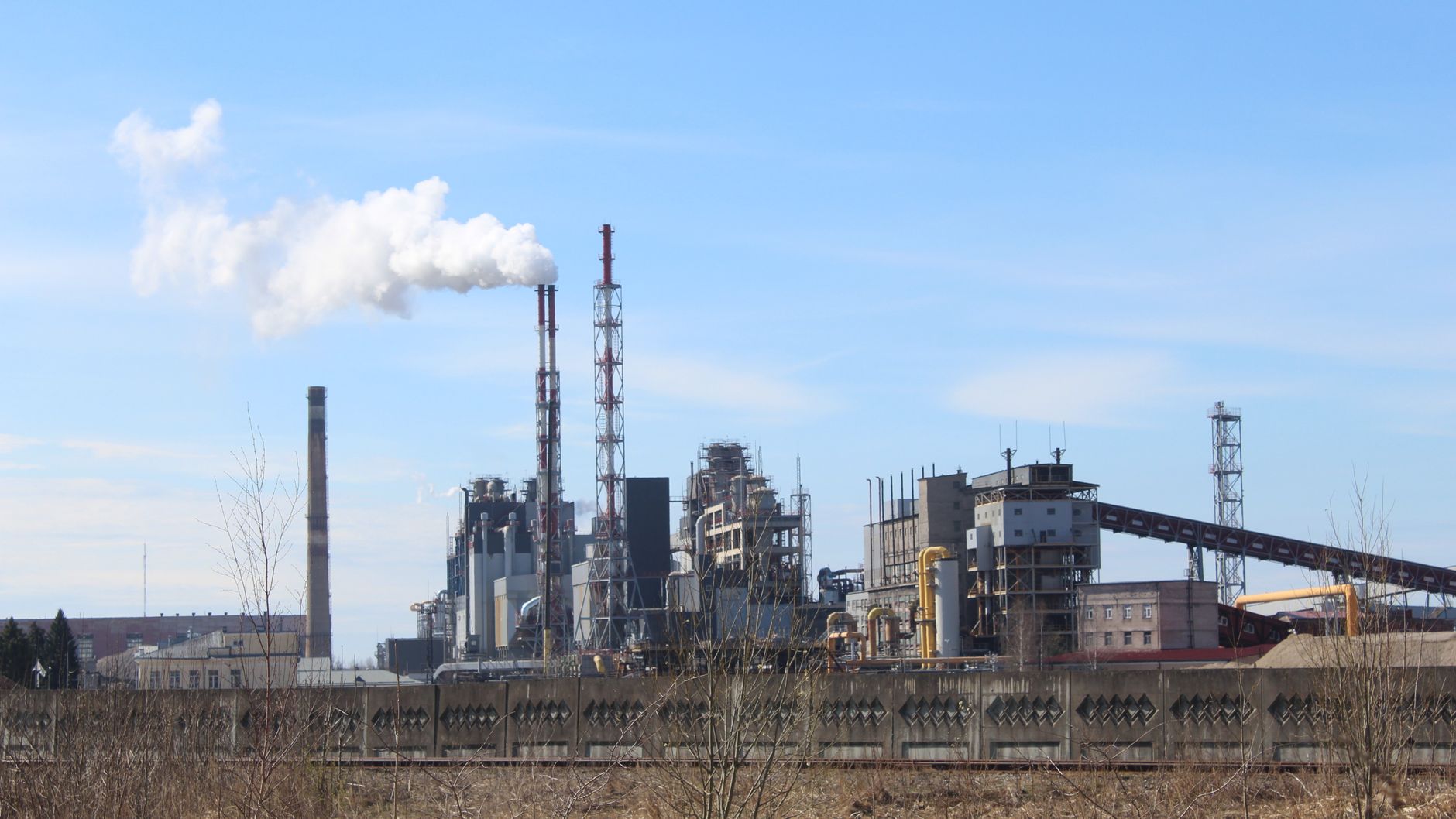
Market Shift: Tata Steel’s Production Surge
Tata Steel India posted a 10% year‑on‑year increase in crude‑steel output for Q2 FY27, reaching 6.21 million tonnes. The rise is driven by newly commissioned blast furnaces and higher utilisation of existing lines, tightening the domestic supply‑demand balance for downstream manufacturers.
Higher primary‑steel volumes generally expand the availability of billets and blooms for secondary processing. For forging houses, this creates a more predictable feedstock pool for open‑die and ring‑rolling work, but also intensifies competition for the highest‑grade alloy billets that must meet tight tolerance specifications.
Implications for Forging Material Sourcing
OEMs and distributors need to reassess alloy‑steel inventory strategies. While the surge may ease price pressure on standard carbon grades, specialty alloys such as 42CrMo4 or EN8 remain vulnerable to alloy‑element availability. Buyers should favour manufacturers that can guarantee consistent chemistry across large batches.
Kesari Alloys offers a broad steel grade family covering carbon, alloy, stainless, spring and tool steels, enabling customers to meet exact specifications without cross‑sourcing.
Kesari Alloys Perspective
For a forging‑grade steel supplier like Kesari Alloys, Tata Steel’s output growth underscores the importance of a diversified product mix. Our range of forging ingots supports open‑die forging, ring rolling and upsetting, giving OEMs the flexibility to select the optimal grade for high‑stress components. Coupled with our continuous‑cast billets and blooms, buyers can secure a seamless feedstock pipeline from billet to finished forged part, mitigating the volatility that often follows large‑scale primary‑steel expansions.
Why This Matters for Steel Buyers
The production boost widens the pool of raw billets, yet specialty alloy billets remain scarce. Sourcing decisions now hinge on supplier reliability and the ability to deliver consistent chemistry across large orders. Choosing a manufacturer with an extensive grade catalogue—such as Kesari Alloys’ continuous‑cast billets and blooms—helps maintain production schedules for high‑performance forgings.
Moreover, the shift prompts OEMs to revisit inventory policies. Maintaining safety stock of critical alloy grades can buffer against short‑term supply tightening that frequently follows a primary‑steel surge.
For specifications and applications, see Kesari Alloys’ rolled bars page.
Frequently Asked Questions
How does Tata Steel’s output increase affect the price of alloy forging ingots?
Higher crude steel volumes can ease pressure on standard carbon grades, but alloy ingots that require precise alloying elements often retain premium pricing due to limited secondary processing capacity.
Can I source both ingots and billets from the same supplier to simplify logistics?
Yes, a supplier like Kesari Alloys offers both forging ingots and continuous cast billets, enabling a single‑source strategy that reduces handling and ensures consistent grade control.
What grades should I consider for high‑strength crankshafts after this production surge?
Grades such as 42CrMo4, EN8 or other alloy steels in Kesari Alloys’ steel grade family are commonly specified for crankshafts and benefit from the company’s tight chemistry control.
Is Kesari Alloys a viable "alloy steel forging ingots manufacturer in India" for my project?
Kesari Alloys, based in Bhiwadi, Rajasthan, manufactures carbon, alloy and stainless steel forging ingots suitable for open‑die forging, ring rolling and upsetting, making it a credible sourcing partner for Indian OEMs.