Steel Prices

Stainless Steel Surcharge Drops but CIF Prices Rise – What It Means for Forging Material Sourcing

Stainless Steel Surcharge Drops but CIF Prices Rise – What It Means for Forging Material Sourcing

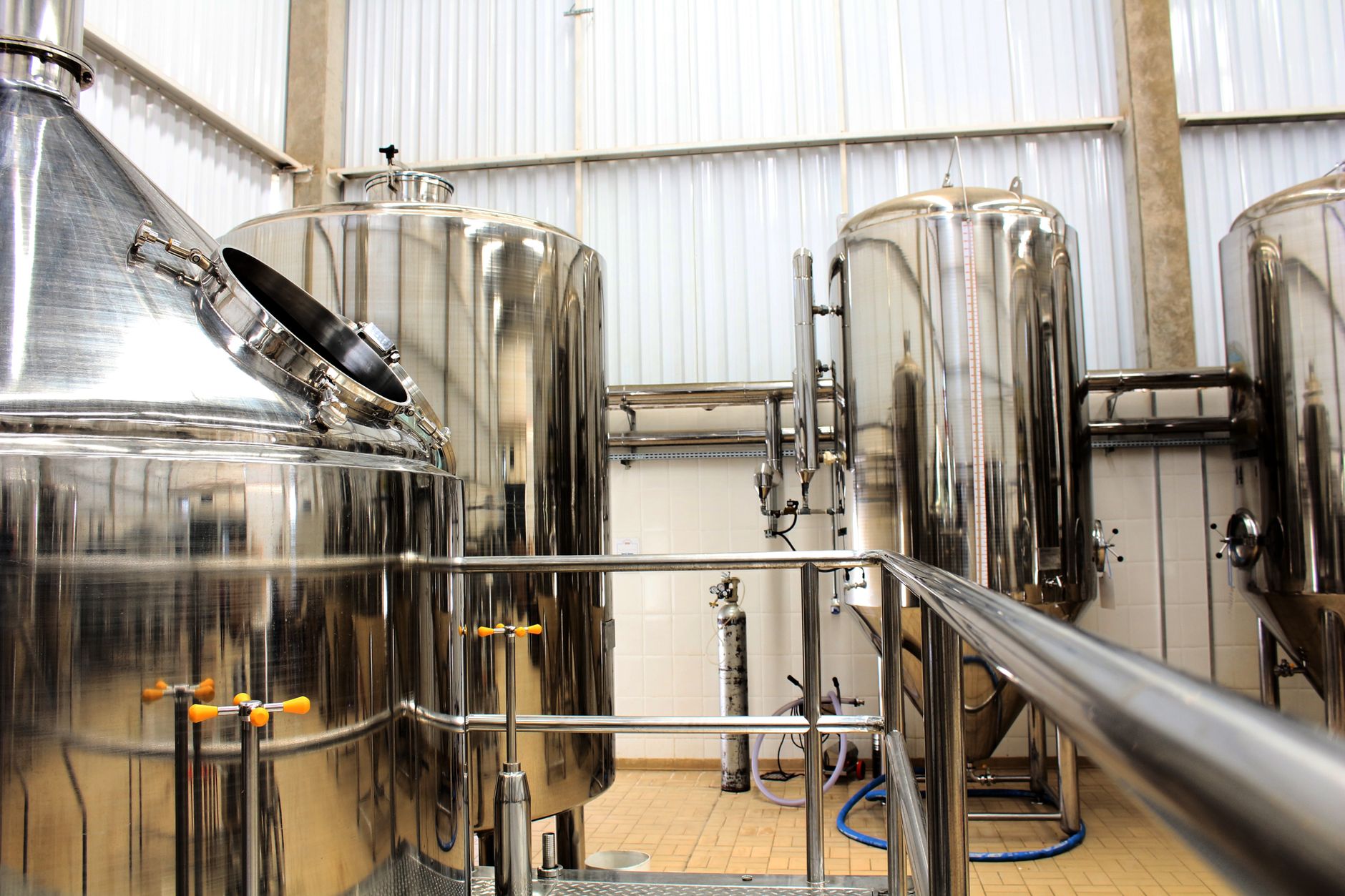
Photo: wal_ 172619 / Pexels

Key Highlights

  • European stainless surcharge fell €158/mt in Q3, but CIF prices rose 2.8%
  • Logistics and freight costs are now the dominant price driver for Asian buyers
  • Stainless forging ingots remain critical for pressure‑vessel and automotive OEMs
  • Indian manufacturers like Kesari Alloys can offer price stability through local sourcing
  • Choosing the right form—ingots, billets or bars—affects both cost and process efficiency

Market Shift in Q3

The latest Shanghai Metals Market data shows Europe’s stainless‑steel surcharge slipping by €158/mt, while CIF prices to Asian hubs still climbed 2.8% in Q3. The divergence reflects a tighter supply of high‑grade stainless billets in Europe, contrasted with lingering freight and inventory constraints in Asia. Buyers of forging‑grade stainless therefore face a paradox: lower base premiums but higher landed costs.

For OEMs and distributors that rely on open‑die and ring‑rolling processes, the key question is which grade and form will deliver the best cost‑performance balance. Stainless forging ingots that meet the chemistry of 304 or 316 grades remain in demand for pressure‑vessel and automotive applications, yet price pressure is shifting to the logistics chain. Companies that can source directly from a reputable Indian manufacturer may mitigate the freight surcharge while still accessing consistent chemistry.

Implications for Forging Supply Chains

Domestic Indian producers have kept a steadier flow of stainless billets and ingots, thanks to relatively stable raw‑material contracts and a diversified export portfolio. This stability makes them attractive partners for buyers looking to hedge against European surcharge volatility. In particular, the ability to procure stainless steel forging ingots in standard grades from a single source simplifies quality control and reduces the need for multiple supplier audits.

Buyers should evaluate not only the headline price but also the form factor—whether ingots, billets or rolled bars best fit their downstream processes. For example, continuous‑cast billets are ideal for ring‑rolling, while forged ingots suit open‑die upsetting operations.

Kesari Alloys Perspective

Kesari Alloys, an Indian manufacturer with a long‑standing presence in carbon, alloy and stainless steel forging ingots, is positioned to help customers navigate this price environment. Its stainless steel forging ingots are produced to exacting chemical tolerances, supporting open‑die forging, ring rolling and upsetting. By sourcing directly from Kesari Alloys, buyers can reduce exposure to European surcharge swings and benefit from consistent product quality across more than 100 grade options.

In addition, Kesari’s continuous cast billets and blooms continuous cast billets provide a seamless feedstock for ring‑rolling lines, while its rolled bars rolled bars can be used for shafting and other precision components, giving manufacturers flexibility to switch between forms without changing suppliers.

Why This Matters for Steel Buyers

The decoupling of base premiums and landed costs forces buyers to look beyond the quoted stainless price. Selecting a supplier with local production reduces freight exposure and locks in more predictable pricing for the next procurement cycle.

When qualifying a new source, examine the breadth of grade coverage and the ability to supply both forging ingots and billets. Kesari Alloys’ portfolio steel grade family spans carbon to stainless grades, allowing buyers to consolidate orders and simplify quality audits.

Timing inventory purchases ahead of peak freight seasons can capture the current surcharge dip while avoiding the higher CIF rates already reflected in the market.

Frequently Asked Questions

How does the European surcharge drop affect the cost of stainless forging ingots in India?
The lower European surcharge reduces the global price benchmark, but Indian buyers still face higher CIF rates due to freight, so sourcing locally from a manufacturer like Kesari Alloys can offset that freight premium.
What stainless grades are most suitable for open‑die forging of pressure vessels?
Grades such as 304 and 316 stainless steel are standard for pressure‑vessel forging; Kesari Alloys offers these in forging ingot form to meet open‑die requirements.
Can I source both billets and rolled bars from the same supplier to simplify my supply chain?
Yes, Kesari Alloys provides continuous cast billets for ring‑rolling and rolled bars for shafting, enabling a single‑source strategy for multiple downstream processes.
What should I look for when qualifying an alloy steel forging ingot manufacturer in India?
Look for a supplier with a wide grade portfolio, proven open‑die and ring‑rolling capabilities, and consistent chemical specifications—attributes that Kesari Alloys demonstrates across its product range.
#stainless steel pricing #forging ingots #alloy steel manufacturer india #continuous cast billets #steel market analysis
Source reporting: Google News: HRC price India · original article