Steel Prices

Europe’s Stainless Surcharge Collapse vs Rising CIF Prices – What It Means for Forging Steel Buyers

Europe’s Stainless Surcharge Collapse vs Rising CIF Prices – What It Means for Forging Steel Buyers

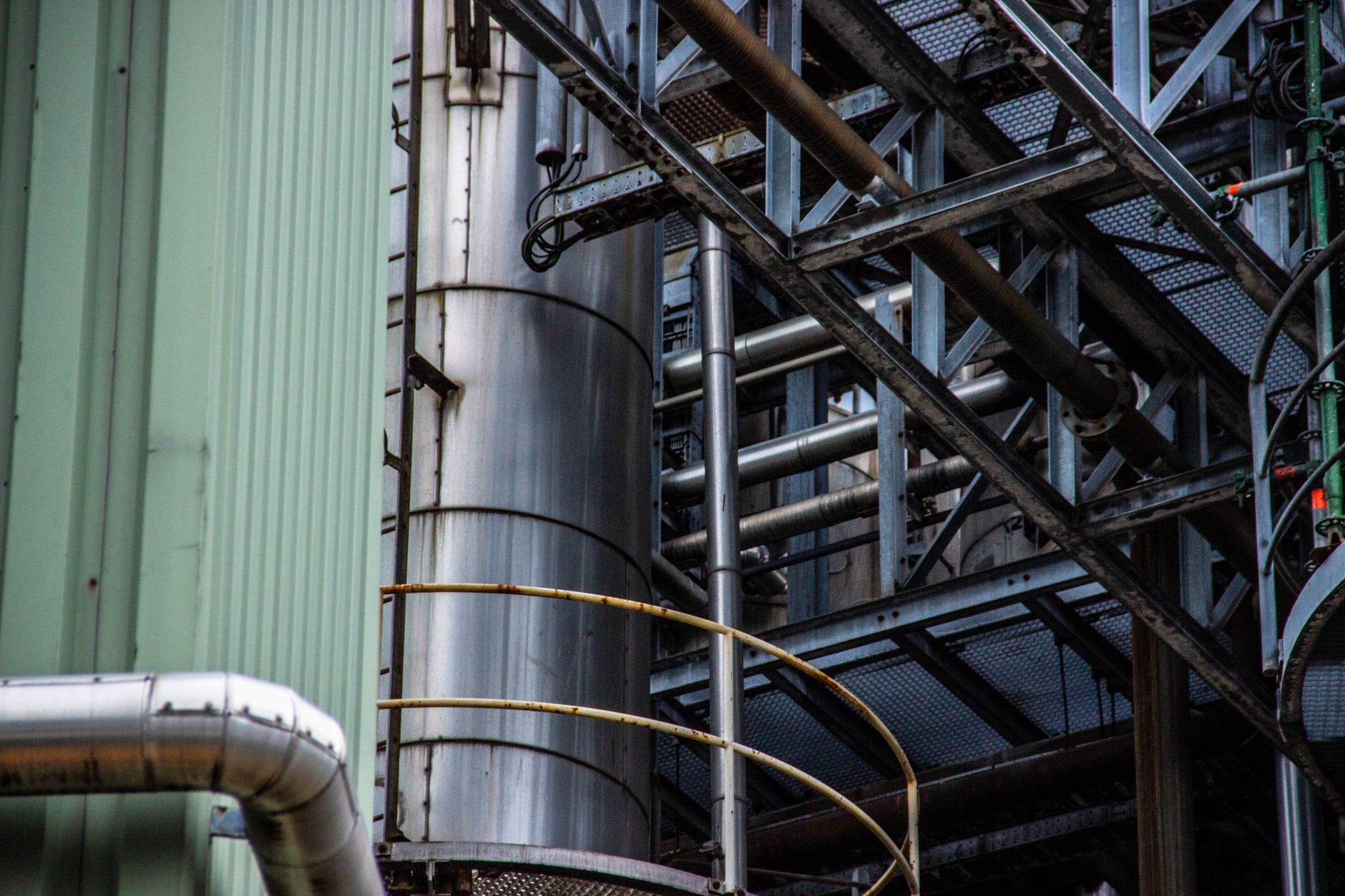
Photo: Daniel Dan / Pexels

Key Highlights

  • European stainless surcharge dropped €158/mt in Q3, but CIF prices rose 2.8%
  • Higher freight costs narrow the advantage of lower European duties
  • Stainless forging ingots remain critical for OEMs needing tight chemistry control
  • Continuous cast billets gain appeal as a lower‑processing‑cost alternative
  • Kesari Alloys offers both ingots and billets to help buyers manage TCO

Market Shift in Q3

In the third quarter the European surcharge on stainless steel dropped sharply by €158/mt, reflecting easing import duties and a modest softening of downstream demand. At the same time, CIF prices for stainless billets and sheets rose 2.8% as freight costs rebounded and Asian exporters tightened supply. The result is a pricing paradox: a lower landed cost in Europe but a higher overall purchase price once freight and insurance are included.

For OEMs that depend on stainless‑steel forgings—such as automotive exhaust manifolds or power‑generation components—the key decision is whether to source raw material locally or continue importing from Asia. The freight‑driven price increase erodes the advantage of the European surcharge, prompting buyers to re‑evaluate the total cost of ownership (TCO) for each grade.

Implications for Forging‑Grade Steel Selection

Stainless forging ingots used in open‑die forging and ring‑rolling must meet tight chemistry tolerances, especially for 304L and 316L grades that dominate the pressure‑vessel market. When CIF spreads widen, buyers often migrate to higher‑alloy stainless grades that can be heat‑treated to achieve the required strength with less material, thereby offsetting freight premiums. A manufacturer such as KESARI ALLOYS offers a broad portfolio of stainless forging ingots that can be tailored to these performance targets.

Moreover, the dip in the European surcharge makes continuous‑cast billets an attractive feedstock for downstream rolling houses, while rolled bars remain essential for shafting and precision components. Choosing the appropriate form factor—billet versus bar—can reduce machining time and scrap, further cushioning the impact of freight‑cost volatility.

Kesari Alloys Perspective

For a supplier like KESARI ALLOYS, the current market dynamics reinforce the value of a diversified product line. Its stainless steel forging ingots forging ingots enable OEMs to maintain mechanical integrity despite price swings, while the continuous cast billets and blooms provide a cost‑effective alternative for customers who can perform ring‑rolling in‑house. Buyers looking for a reliable alloy steel forging ingots manufacturer in India should assess the grade specifications, heat‑treatment capabilities, and supply flexibility that Kesari Alloys can deliver across its 100+ grade portfolio.

Why This Matters for Steel Buyers

The relief in European surcharges no longer translates into a lower landed cost because freight and insurance have risen. Buyers must therefore calculate the full landed price—duty, freight, insurance, and processing form‑factor—when selecting grades for forgings or machined parts.

Partnering with a supplier that offers a complete stainless‑steel family, such as KESARI ALLOYS, lets purchasers align alloy chemistry precisely with the application while preserving inventory flexibility. Access to detailed steel grade family data enables engineers to compare 304L versus 316L quickly and decide whether a higher‑alloy ingot or a billet will deliver the optimal cost‑performance balance for their project.

Frequently Asked Questions

How does the European surcharge drop affect the price of stainless forging ingots?
The surcharge reduction lowers the duty component of landed cost, but if CIF freight remains high, the overall price of stainless forging ingots may still increase.
Should I switch from billets to bars to mitigate rising freight costs?
Bars typically require more machining, so while they may reduce freight weight, the added processing cost can offset savings; evaluate total cost of ownership.
What stainless grades are best for high‑temperature pressure vessels?
Grades such as 304L and 316L are common; ensure the supplier provides detailed chemistry and heat‑treatment data, which Kesari Alloys does for its forging ingots.
Can Kesari Alloys supply stainless forging ingots for open‑die forging projects?
Yes, Kesari Alloys manufactures stainless steel forging ingots suitable for open‑die forging, ring rolling and upsetting, offering a range of grades to meet OEM specifications.
#stainless steel prices #forging ingots #alloy steel manufacturer india #continuous cast billets #steel market analysis
Source reporting: Google News: steel scrap price India · original article