Raw Materials

Scrap Index Slide Pressures Indian Forging Steel Costs

Scrap Index Slide Pressures Indian Forging Steel Costs

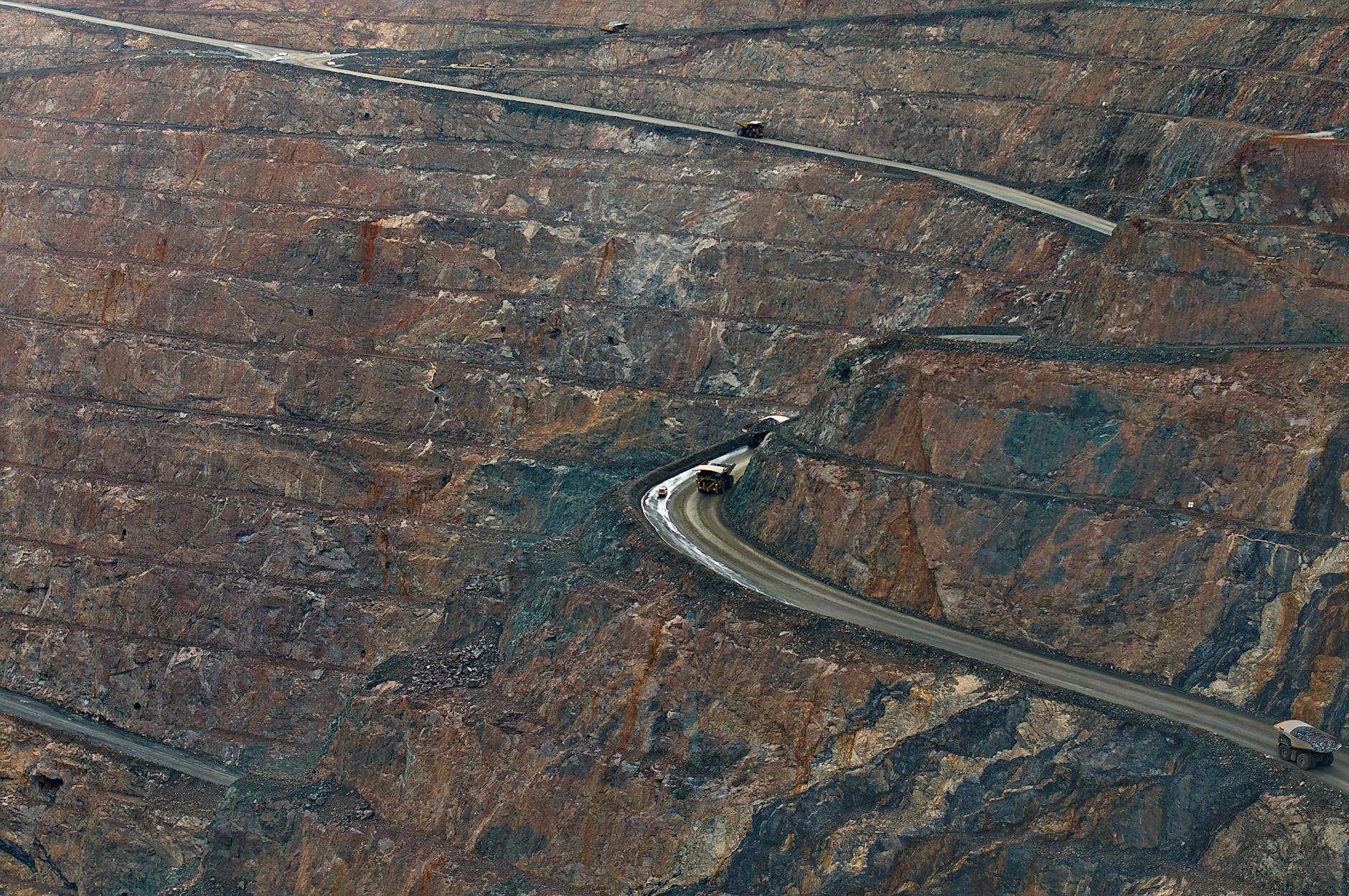
Photo: Mark Thomas / Pexels

Key Highlights

  • BigMint scrap index fell INR 100/t, indicating softer raw material pricing.
  • Lower scrap costs can reduce input expense for forging ingots and billets.
  • Price volatility remains for high‑alloy grades with strict chemistry limits.
  • Domestic suppliers with integrated melt‑control gain a competitive edge.
  • Buyers should revisit forward‑pricing and inventory strategies now.

Market Overview

The latest BigMint ferrous scrap index slipped by roughly INR 100 per tonne, reflecting a subdued demand environment for finished steel in India. Lower downstream consumption in automotive and construction, combined with a modest rise in scrap imports, has tightened the supply‑demand balance for raw‑material recyclates. While the dip is modest, it signals a short‑term easing of scrap‑driven cost pressure on primary steel producers.

Implications for Forging‑Grade Steel

Forging manufacturers depend on stable scrap pricing because many alloying elements—manganese, nickel, chromium—are sourced from recycled streams. A softer scrap market can lower billet and ingot costs, especially for grades used in open‑die forging and ring‑rolling. The benefit, however, is not uniform; alloy steels with tighter chemistry tolerances (e.g., 42CrMo4, SAE 4140) are likely to see less price drift than plain‑carbon grades.

Buyer Considerations

Procurement teams should revisit their price‑hedging strategies. With the index trending down, forward contracts on scrap‑based feedstock become more attractive, but buyers must also confirm that the supplier’s melt‑control processes remain robust. For Indian OEMs, selecting a domestic source that can guarantee grade‑specific chemistry while leveraging the current scrap advantage is essential.

Kesari Alloys Perspective

For a supplier like Kesari Alloys, the scrap‑index dip reinforces the value of its integrated production chain—from carbon and alloy forging ingots to continuous‑cast billets. The company’s ability to melt and cast from both virgin and high‑quality scrap inputs helps stabilise cost structures for grades such as C45 carbon steel and forging ingots. Buyers looking for an "alloy steel forging ingots manufacturer in India" can benefit from this flexibility, ensuring that the final product meets stringent forging specifications without unexpected price spikes.

Moreover, Kesari’s continuous cast billets and blooms provide a bridge between raw melt and finished forgings, allowing OEMs to maintain inventory buffers while the scrap market settles. The strategic mix of ingot, billet and rolled‑bar capabilities positions Kesari Alloys to adapt quickly to market swings, delivering consistent quality across the forging supply chain.
Why This Matters for Steel Buyers

A decline in the ferrous scrap index lowers the raw‑material cost base for forging‑grade steel. When scrap is cheaper, manufacturers can reduce billet and ingot prices—provided their melt‑control processes keep chemistry within spec. Sourcing from a proven Indian alloy‑steel producer such as Kesari Alloys therefore becomes a strategic advantage.

For buyers planning new projects or replenishing stock, locking in supply from a partner that offers both continuous‑cast billets and blooms and a wide grade portfolio can hedge against a future rebound in scrap prices while guaranteeing the alloy composition required for critical applications.

For specifications and applications, see Kesari Alloys’ rolled bars page.

Frequently Asked Questions

How does a drop in scrap prices affect the cost of forging ingots?
Cheaper scrap reduces the raw material expense for melt shops, allowing manufacturers to offer more competitive pricing on forging ingots, provided they maintain strict chemistry controls.
Should I switch to a domestic supplier for my alloy steel needs?
Yes, a local supplier like Kesari Alloys can leverage the current scrap advantage, reduce logistics costs, and provide quick lead times for grades such as C45 carbon steel.
What grade should I consider for medium‑strength shafts in automotive applications?
C45 carbon steel is a common choice for medium‑strength shafts, offering good machinability and weldability; Kesari Alloys supplies this grade with verified specifications.
Can I rely on continuous cast billets for consistent quality?
Continuous cast billets from Kesari Alloys are produced under controlled conditions, ensuring uniform grain structure and chemistry, which is essential for downstream forging and rolling.
#steel scrap price india #forging ingots #alloy steel manufacturer india #continuous cast billets #raw materials market
Source reporting: Google News: steel scrap price India · original article