Raw Materials
Softening Steel Demand Presses Indian Forging Suppliers to Re‑Evaluate Iron‑Ore Supply Chains
2h ago•5 October 2026•1 min read•Source: Google News: steel export India global markets
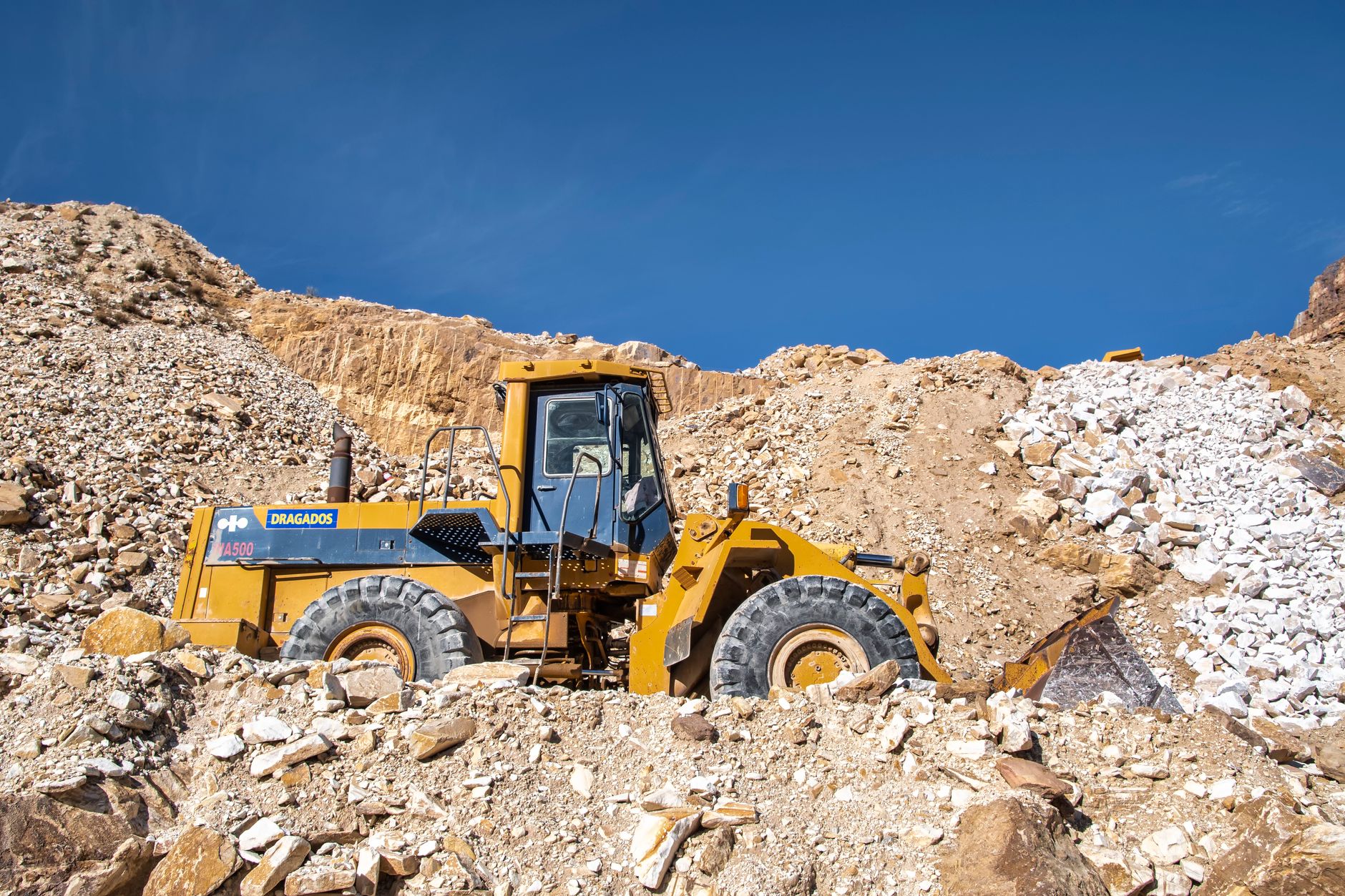
Photo: Enrique / Pexels
Key Highlights
- Iron‑ore cargoes to India are declining, pressuring steel mill output.
- Reduced furnace runs may lower alloy steel price premiums.
- Forging ingot and billet availability becomes a critical sourcing factor.
- Kesari Alloys offers a broad grade portfolio to hedge against supply volatility.
Market Overview
Freight data show a slowdown in iron‑ore cargoes bound for India, reflecting weaker downstream steel orders and tighter logistics. The dip is most pronounced in the automotive and construction sectors, which normally consume the bulk of forged components. As shipper volumes fall, steel mills are trimming furnace runs, which in turn reduces the supply of high‑grade billets available to forging houses.
Implications for Forging Material Suppliers
Forging manufacturers that depend on a steady flow of alloy steel billets must now balance inventory against a volatile price environment. With ore costs stabilising, the premium on specialty alloys such as 42CrMo4 or 34CrNiMo6 is likely to narrow, creating a short window for OEMs to lock in lower‑cost forging ingots. Buyers should confirm that their supplier can consistently meet chemical‑composition specifications and provide complete heat‑treatment records, especially for open‑die and ring‑rolling applications.
Kesari Alloys Perspective
For a domestic producer like Kesari Alloys, the softening market underscores the importance of a diversified product mix. Its portfolio of forging ingots and continuous cast billets and blooms enables customers to source both standard carbon grades and higher‑alloy steels from a single vendor. Buyers seeking a reliable "alloy steel forging ingots manufacturer in India" can leverage Kesari’s long‑standing expertise in grade control, which reduces the risk of sudden supply gaps caused by the current ore‑flow uncertainty.
Why This Matters for Steel Buyers
With iron‑ore logistics tightening, the cost curve for alloy billets can shift rapidly. Buyers should evaluate a supplier’s ability to deliver consistent grades—such as those listed in the steel grade family—and consider building a safety stock of forging ingots to buffer against short‑term price spikes.
By timing purchases to capture the present dip and verifying heat‑treatment certifications, downstream OEMs can lock in lower input costs and avoid unexpected cost overruns when ore shipments normalize.
Frequently Asked Questions
How does the current iron‑ore slowdown affect pricing of forging ingots?
Lower ore imports reduce steel mill furnace runs, which can compress the price spread on alloy grades, making forging ingots slightly cheaper for a limited period.
What grades should OEMs prioritize for automotive forging under these conditions?
Carbon‑alloy grades like C45 and EN8 remain cost‑effective for crankshafts and gears, while higher‑alloy grades are best reserved for high‑strength applications.
Can Kesari Alloys provide consistent chemical specifications during market volatility?
Yes, Kesari Alloys’ long‑standing quality systems ensure that its forging ingots and billets meet the published specifications even when raw‑material markets shift.
What is the advantage of sourcing continuous cast billets from an Indian manufacturer?
Domestic sourcing reduces lead time and freight exposure, allowing buyers to respond faster to production schedule changes caused by the current ore‑flow headwinds.
#steel demand
#iron ore logistics
#alloy steel manufacturer india
#forging ingots
#continuous cast billets
#raw materials
Source reporting: Google News: steel export India global markets ·
original article


