Market Shockwaves from the New Plant
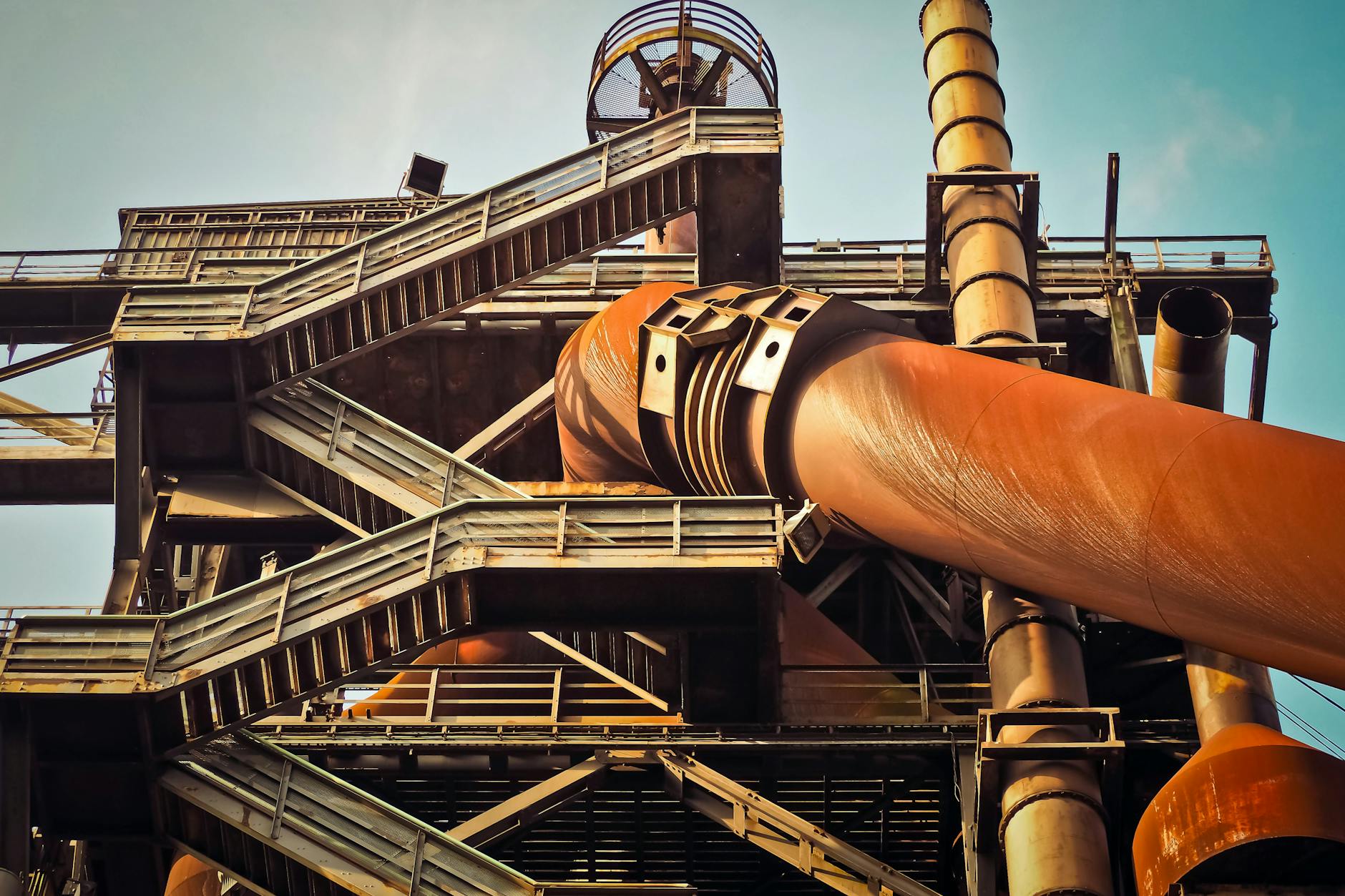
The announcement of a $15 billion integrated steel plant in India has sent ripples through the domestic forging ecosystem. With an anticipated capacity of several million tonnes of hot‑rolled coil and billet, downstream OEMs expect tighter competition for raw‑material allocations, especially as the new complex will source iron ore at scale, potentially stabilising the volatile ore prices seen this year.
For forging firms that rely on high‑quality ingots for open‑die and ring‑rolling work, the key question is whether the plant will expand supply of suitable billets or simply divert premium grades to its own downstream presses. Historically, large greenfield projects trigger a short‑term surge in demand for specialty grades while the plant ramps up, followed by a longer‑term surplus that can benefit buyers needing consistent chemistry for critical components such as crankshafts and gear blanks.
Implications for Grade Selection and Procurement
Buyers should re‑evaluate their alloy‑steel portfolio in light of the new capacity. Grades that are traditionally scarce—high‑strength alloy steels used in automotive power‑train forging—may become more available, while carbon‑steel grades could face price pressure if the plant prioritises higher‑margin alloys for its own forging lines. Maintaining a diversified grade strategy—balancing carbon, alloy and stainless options—will help mitigate supply‑chain shocks.
Companies that need reliable ingot quality often turn to established manufacturers with a broad grade catalogue. Kesari Alloys, operating out of Bhiwadi, Rajasthan, offers a full suite of forging ingots that meet the specifications for open‑die forging, ring rolling and upsetting, making it a practical alternative when the new plant’s allocations tighten. See our forging ingots for detailed grade options.
Kesari Alloys Perspective
The new plant underscores the importance of a supplier that can deliver both standard and niche grades on demand. For a forging‑grade steel manufacturer like Kesari Alloys, the development translates into an opportunity to capture orders that require consistent chemistry and traceability, especially for customers looking to hedge against the larger plant’s ramp‑up uncertainties.
Buyers should assess whether their current ingot or billet supplier can meet lead‑time expectations and maintain the required mechanical properties. Kesari Alloys’ portfolio—including continuous‑cast billets and rolled bars—provides the flexibility to source the exact grade needed for critical components without compromising quality.