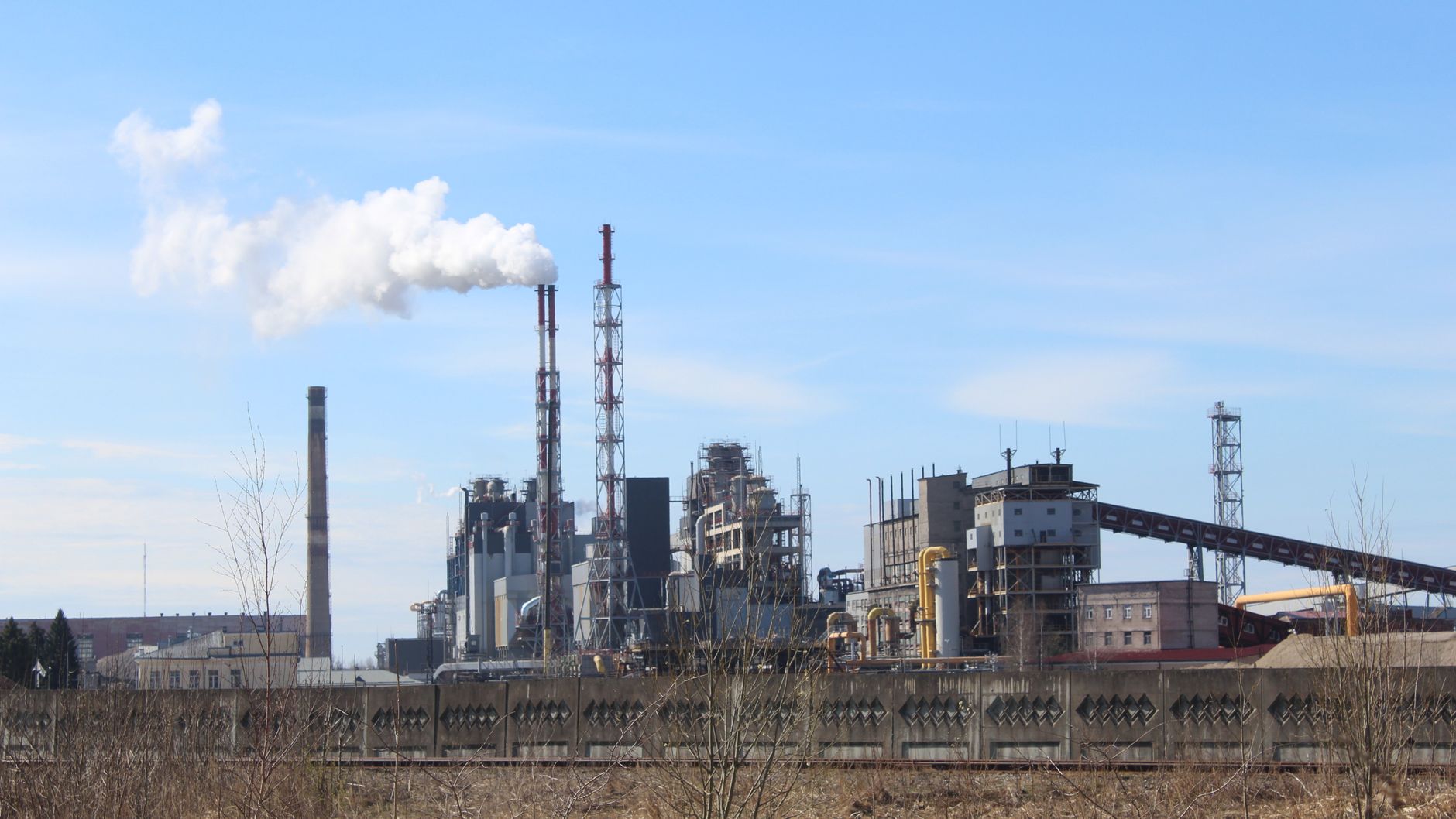
Policy Shift and Market Outlook
The forthcoming Indian steel policy targets a domestic crude‑steel capacity of 600 million tonnes by 2047 – roughly a 150 % increase over today’s level. It will raise import duties, reward greener production methods and encourage downstream value‑addition such as forging and machining. For OEMs and distributors this means a more reliable local supply base, but also the requirement to qualify new domestic grades that satisfy tighter specifications.
Impact on Forging‑Grade Steel Supply Chain
Forging operations depend on high‑integrity ingots and billets that can endure open‑die, ring‑rolling and upsetting processes. With policy incentives favoring domestic output, manufacturers like KESARI ALLOYS are well‑placed to satisfy rising demand for carbon, alloy and stainless‑steel forging ingots. Buyers should scrutinise alloy chemistry, heat‑treatment capability and traceability for each grade. For instance, 42CrMo4 delivers excellent hardenability for automotive crankshafts, while EN8 provides a balanced strength‑ductility profile for general‑engineering components.
Kesari Alloys Perspective
For a forging‑grade steel producer, the policy’s push for self‑sufficiency creates broader opportunities to supply ingots, billets and rolled bars to Indian OEMs. KESARI ALLOYS can leverage its Bhiwadi facility to maintain consistent chemistry across a portfolio of more than 100 grades, helping customers obtain the exact grade they require without excessive lead times. Buyers searching for an "alloy steel forging ingots manufacturer in India" should verify the supplier’s grade coverage, metallurgical expertise and ability to deliver both standard and custom specifications.
In practice, selecting the appropriate grade—whether a carbon steel such as C45 carbon steel or an alloy from the steel grade family—and matching it with the right product form—forging ingots or continuous‑cast billets and blooms—will be critical to optimise cost, performance and compliance under the new policy environment.


