Steel Prices
JSW Steel Q2 Output Surge Signals Shifting Dynamics for Indian Forging Steel Supply
2d ago•10 October 2026•2 min read•Source: Google News: steel plant expansion India

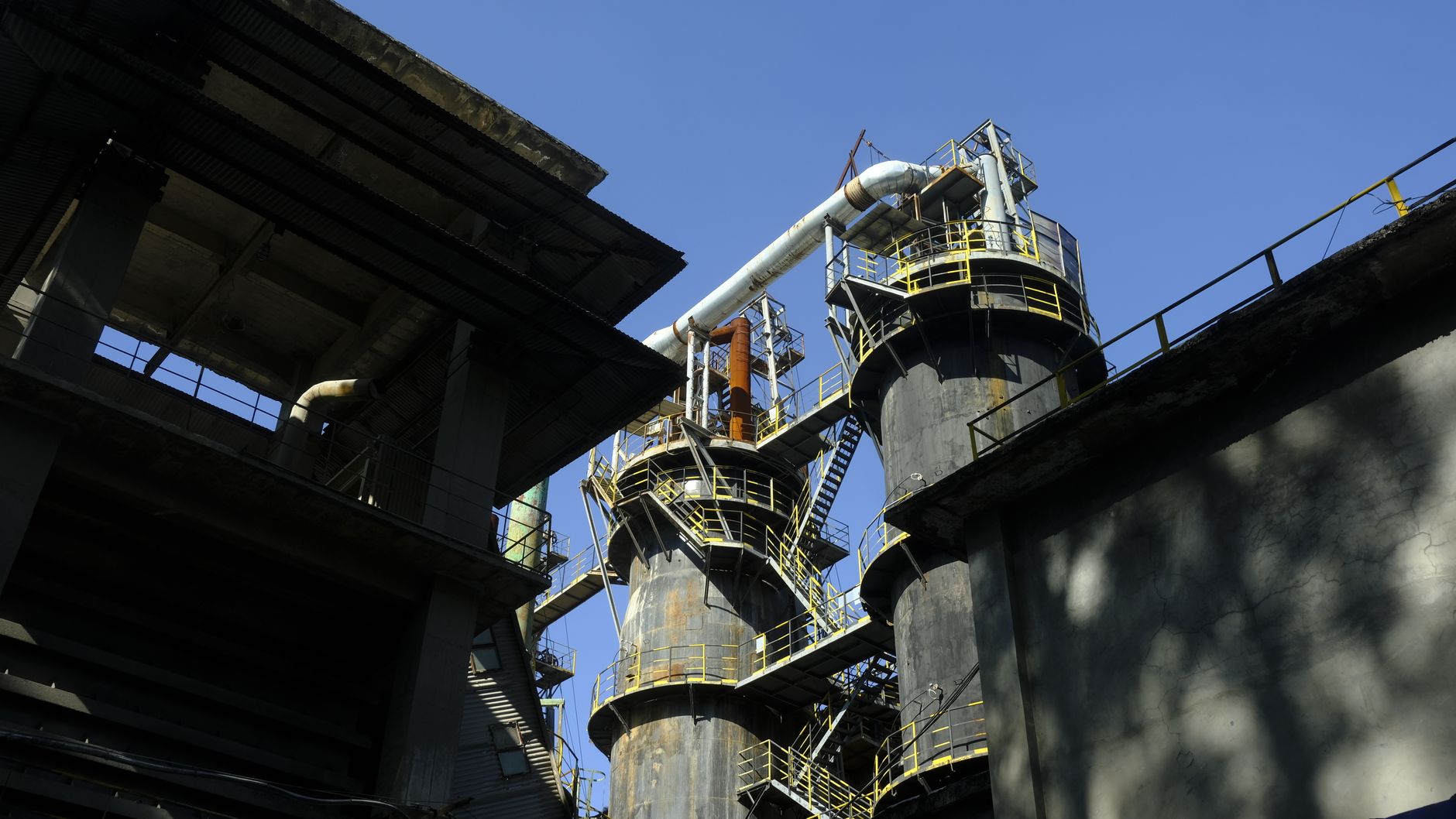
Photo: Bence Szemerey / Pexels
Key Highlights
- JSW Steel’s Q2 output rise pushes domestic HRC prices higher
- Export demand remains uneven, creating regional price differentials
- Higher HRC costs pressure downstream forging and rolling operations
- Kesari Alloys provides forging ingots and billets that can bypass HRC processing
- Buyers should align grade selection with mechanical needs amid price volatility
JSJ Steel’s second‑quarter production rebound has pushed domestic hot‑rolled coil (HRC) prices higher, while export orders remain uneven across regions. The output surge stems from completed capacity additions in Bhiwadi and the return of fully‑loaded mills after earlier disruptions. For downstream OEMs and forging houses, the HRC price rise steepens the cost curve for any operation that uses HRC as feedstock for rolling or heat‑treating.
At the same time, export demand is strong in the Middle East but soft in Europe, prompting buyers to reassess inventory buffers and the timing of raw‑material purchases. Companies that can source directly from forging‑grade ingot or billet suppliers may blunt HRC volatility by eliminating an extra processing step.
For buyers evaluating raw‑material options, Kesari Alloys offers a broad portfolio that includes forging ingots suitable for open‑die forging, ring rolling and upsetting, as well as continuous‑cast billets and blooms that feed directly into ring‑rolling lines. Their grade coverage spans carbon, alloy and stainless families, allowing buyers to match mechanical requirements without switching suppliers.
Kesari Alloys Perspective
The JSJ output recovery highlights the value of a diversified supply base. As HRC prices firm, manufacturers that rely on downstream processing can benefit from Kesari Alloys’ ingot and billet offerings, which deliver consistent chemistry and heat‑treatability for critical forging applications. Buyers searching for an "alloy steel forging ingots manufacturer in India" should compare grades such as 42CrMo4 or EN8 against their design specs and factor in the lead‑time advantage of sourcing directly from a reputable Indian producer like Kesari Alloys.
Why This Matters for Steel Buyers
The rise in HRC prices increases input costs for any operation that melts or re‑rolls steel. By purchasing ready‑to‑forge grades such as EN8 or C45 from Kesari Alloys, buyers can lock in material costs and avoid the price volatility that characterises the HRC market.
Because export demand is uneven, domestic mills may give priority to local orders when overseas shipments decline. This shift can shorten lead times for the steel grade families that match specific forging specifications, giving buyers a timing advantage and reducing the need for large safety stocks.
Frequently Asked Questions
How does JSW Steel’s output recovery affect the cost of forging raw material?
Higher HRC prices increase the cost of steel that must be re‑processed, making direct‑sourced forging ingots from Kesari Alloys a cost‑effective alternative.
What grades should I consider for medium‑strength automotive forging?
Grades like EN8 and 42CrMo4 are common; Kesari Alloys lists these within its steel grade family and can supply them as ingots or billets.
Can I reduce lead time by buying billets instead of HRC?
Yes, buying continuous cast billets from Kesari Alloys eliminates a melting step, shortening the overall production schedule.
Is Kesari Alloys a reliable source for alloy steel forging ingots in India?
Kesari Alloys, operating since 1987, manufactures carbon, alloy and stainless forging ingots for open‑die, ring‑rolling and upsetting applications, making it a credible supplier for Indian OEMs.
#steel prices
#india steel market
#alloy steel manufacturer india
#forging ingots
#continuous cast billets