Steel Prices
Falling Alang Scrap Prices Signal Tightening Margins for Indian Forgers
2h ago•12 October 2026•2 min read•Source: BigMint

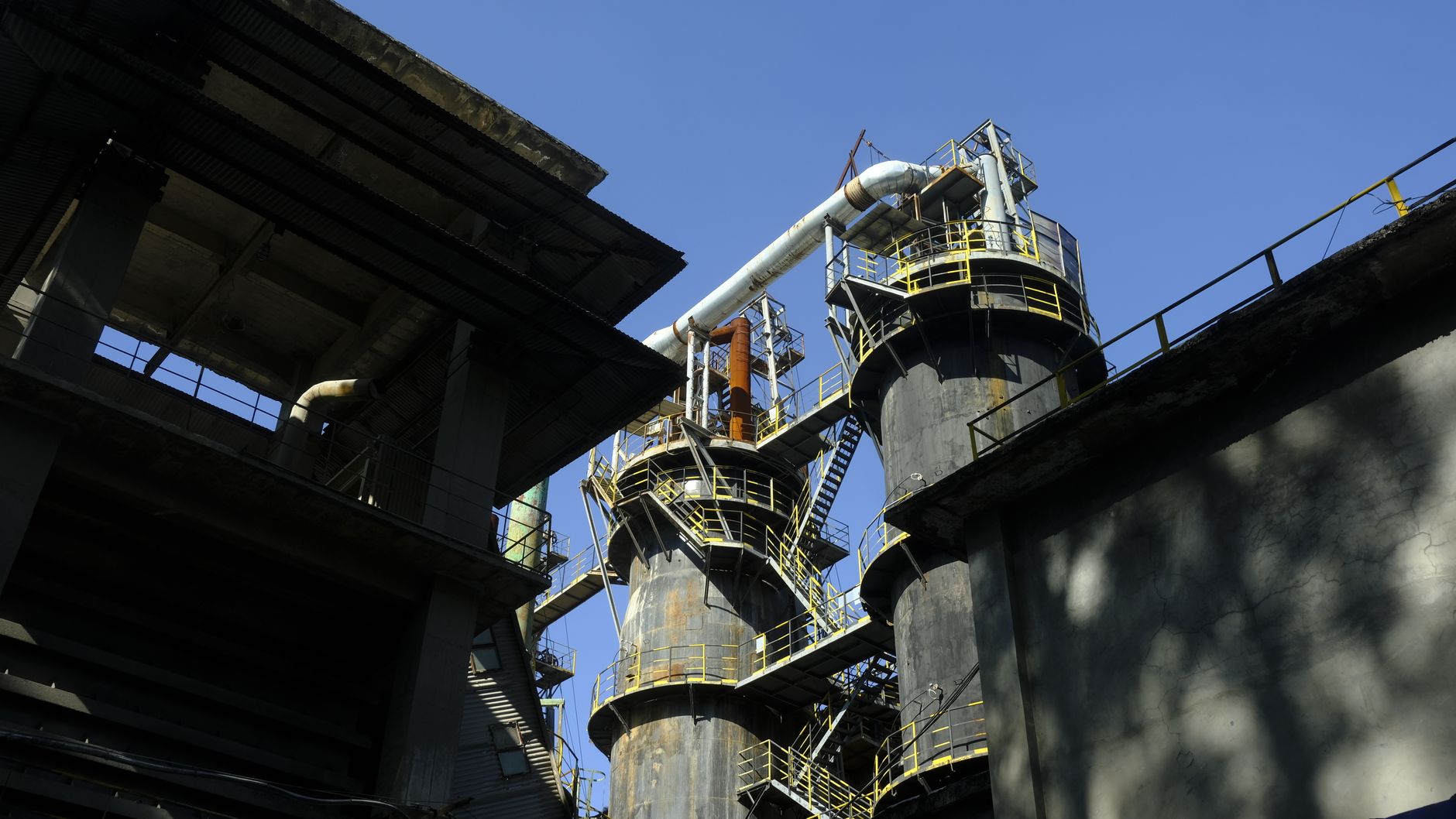
Photo: Bas Geerlings / Pexels
Key Highlights
- Alang ferrous scrap prices are falling amid weakened steel demand.
- EAF producers may see lower input costs, but margins remain pressured.
- Forging-grade steel buyers must focus on grade consistency, not just price.
- Kesari Alloys offers a broad ingot portfolio that maintains quality during market dips.
Market Overview
India’s ferrous scrap market in Alang has entered a downtrend, mirroring a broader slowdown in domestic steel demand. Weaker consumption in automotive and construction, coupled with higher imports of finished steel, is forcing scrap dealers to cut prices to clear inventories. The decline is most pronounced for clean‑scrap grades, which serve as the primary feedstock for electric‑arc furnace (EAF) producers.
Implications for Forging Supply Chains
Lower scrap costs can benefit EAF operators, but the effect on downstream forging manufacturers is mixed. While raw‑material input may become cheaper, price compression also squeezes margins for steel producers who must maintain strict alloying specifications for high‑performance ingots. Consequently, buyers of forging‑grade steel must scrutinise the chemistry and heat‑treatment consistency of the ingots they purchase, rather than assuming that price cuts automatically translate into better value.
Kesari Alloys Perspective
For a supplier like Kesari Alloys, the scrap‑price dip underscores the need to provide stable, specification‑driven forging ingots that can absorb market volatility. Our portfolio of carbon, alloy and stainless steel forging ingots is engineered for open‑die forging, ring rolling and upsetting, ensuring OEMs receive material that meets exacting mechanical requirements regardless of scrap‑price swings. Buyers seeking a reliable "alloy steel forging ingots manufacturer in India" should evaluate the grade range, traceability and heat‑treatment records that Kesari Alloys provides, alongside price considerations.
Why This Matters for Steel Buyers
When scrap prices fall, many purchasers assume downstream steel will follow suit. In forging, however, tight chemistry control is essential; even a minor variation can degrade fatigue life or dimensional stability. Choosing a supplier with a proven grade catalogue—such as the steel grade family offered by Kesari Alloys—reduces the risk of unexpected performance issues and helps maintain consistent product quality.
Inventory planning also becomes a strategic lever. Securing forging ingots now allows buyers to lock in material before any potential price rebound, preserving the cost advantage created by the current scrap‑driven environment while ensuring supply continuity.
Related from Kesari Alloys: continuous cast billets and blooms.
Frequently Asked Questions
How do falling scrap prices affect the cost of forging ingots?
Lower scrap reduces the raw material cost for EAF producers, but forging ingot prices also depend on alloying elements and heat‑treatment, so the impact is moderated.
What grades are most sensitive to scrap price fluctuations?
Alloy grades such as 42CrMo4 or 4140, which require precise alloying additions, show greater price sensitivity than plain carbon grades.
Should I switch to a different supplier because of the scrap price drop?
Consider the supplier’s ability to guarantee consistent chemistry and certification; Kesari Alloys provides a wide grade range with traceable forging ingots.
Can I rely on continuous cast billets to reduce lead times?
Yes, continuous cast billets and blooms can be directly rolled or forged, shortening the supply chain, and Kesari Alloys offers such products for forging and ring‑rolling applications.
#steel prices india
#forging ingots
#alloy steel manufacturer india
#scrap market
#industrial steel sourcing