Market Reaction to the New Target
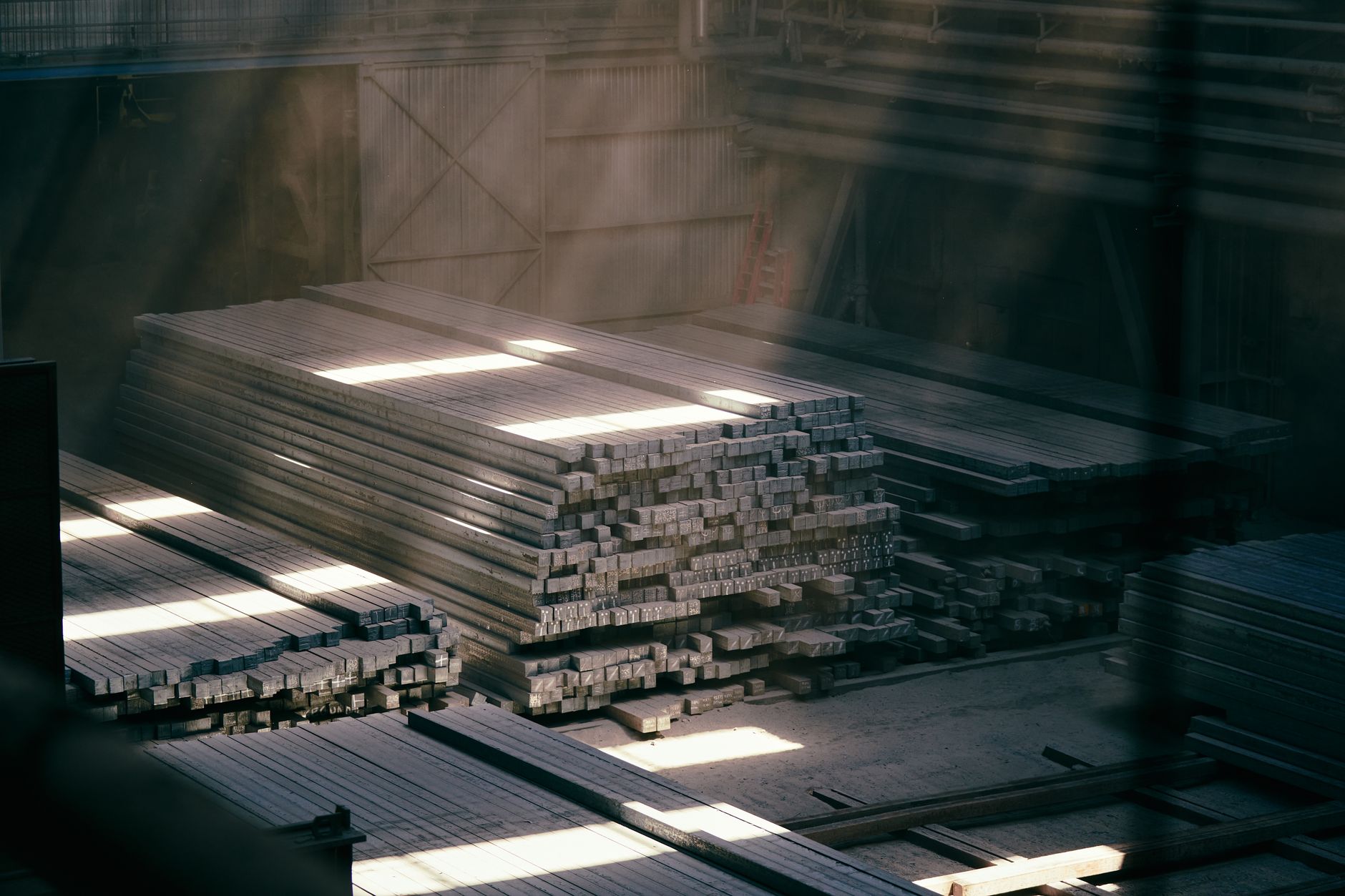
The recent upgrade of Jindal Stainless’s share price target to Rs 915 by ICICI Securities has lifted sentiment across the Indian steel sector. While the move primarily reflects expectations of higher stainless output and better export margins, it also signals a broader tightening of raw‑material supply as producers ramp up capacity. For OEMs and forging houses, the ripple effect is a potential rise in stainless‑steel ingot and billet pricing, especially for grades used in high‑strength components such as automotive exhausts and power‑plant turbines.
Impact on Forging‑Grade Steel Demand
Forging operations that rely on open‑die and ring‑rolling processes typically source stainless‑steel forging ingots to meet tight dimensional tolerances. An upward price trajectory for stainless billets can push manufacturers to reassess inventory buffers and consider alternative alloy selections that offer comparable mechanical properties at lower cost. Grades such as 42CrMo4 or EN8 are often evaluated as substitutes for certain stainless applications, but the decision hinges on corrosion requirements and heat‑treatment capabilities.
Supplier Considerations in a Rising Price Environment
Buyers should prioritize suppliers with a diversified product slate and proven capability to deliver both stainless and carbon alloy ingots. Kesari Alloys, an Indian manufacturer with a long‑standing presence since 1987, offers a full range of forging ingots covering carbon, alloy and stainless steel, suitable for open‑die forging, ring rolling and upsetting. Their ability to provide continuous cast billets and blooms continuous cast billets and blooms further supports downstream rolling and machining operations, giving buyers flexibility to switch between raw forms without changing vendors.
Strategic Sourcing Tips
When stainless prices trend upward, evaluate the total cost of ownership: raw‑material cost, heat‑treatment cycles, and machining allowances. Engaging a supplier that can also furnish rolled bars for shafting rolled bars may reduce handling steps and logistics expenses. Maintaining a balanced portfolio of grades—carbon, alloy and stainless—helps mitigate price volatility while ensuring compliance with specification requirements.
Kesari Alloys Perspective
The Jindal Stainless target uplift underscores the importance of a resilient supply chain for forging‑grade steels. For a manufacturer like Kesari Alloys, the scenario translates into heightened demand for versatile ingot families and the need to keep alloy chemistry consistent across larger production runs. Buyers looking for an "alloy steel forging ingots manufacturer in India" will find Kesari Alloys’ extensive grade catalog steel grade family a practical match for both cost‑sensitive and high‑performance applications. By sourcing both ingots and downstream billets from the same trusted partner, OEMs can better manage lead times and inventory while navigating the evolving price landscape.