EU Anti‑Subsidy Review – What’s Changing?
The European Commission has launched a review of the anti‑subsidy duties imposed on stainless‑steel imports from India and Indonesia. The review will determine whether the original market‑distortion findings still apply and could result in a reduction, suspension, or removal of the duties. For OEMs and distributors that source stainless‑steel for high‑precision components, the decision will directly affect landed cost, supply‑chain risk, and the competitive position of Asian producers in the EU market.
Stainless‑steel grades such as 304 and 316 are core materials in automotive exhaust systems, power‑generation turbines, and pressure‑vessel components—sectors where Kesari Alloys also supplies alloy‑steel forging ingots. A duty adjustment that makes Indian stainless‑steel more price‑competitive would force buyers to reassess the trade‑off between lower raw‑material cost and the added value of a proven forging‑grade supplier.
Industry Ripple Effects – From Billets to Finished Parts
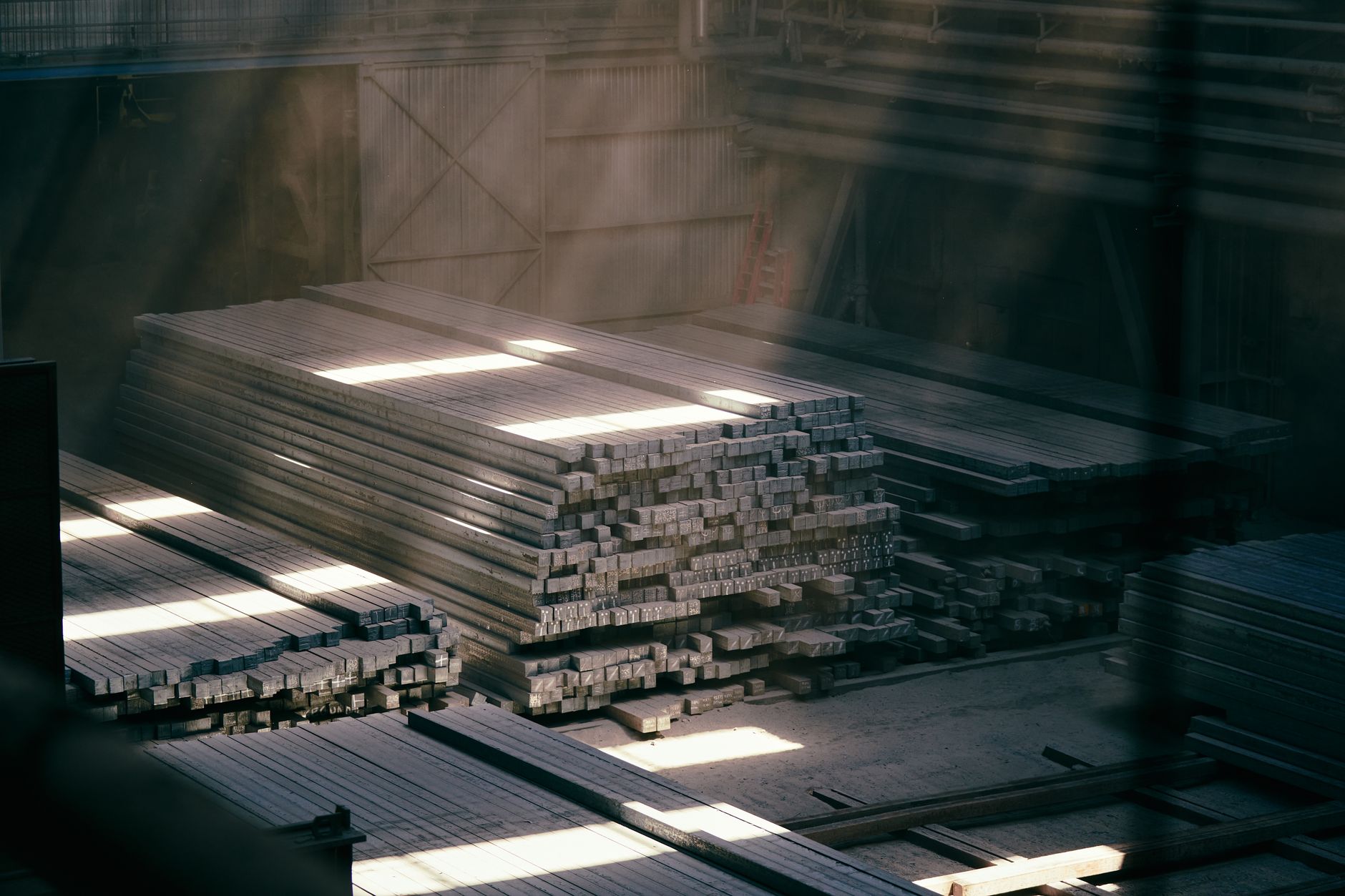
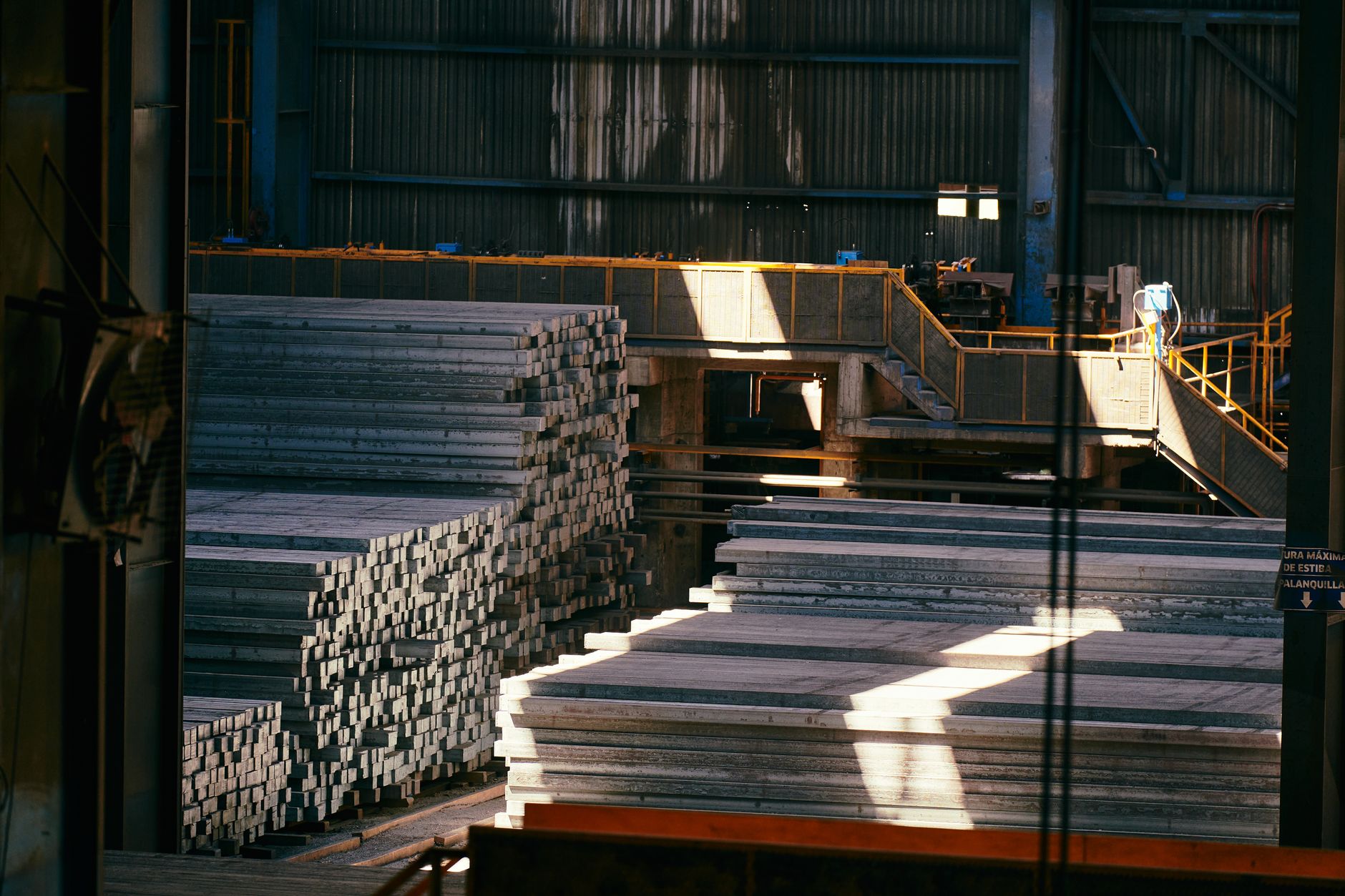
Beyond flat‑rolled sheets, the EU decision influences downstream products such as continuous‑cast billets and forged components. If duties ease, manufacturers are likely to increase orders for stainless‑steel billets that feed ring‑rolling or upsetting operations, creating an opportunity for suppliers that can guarantee consistent chemistry and mechanical properties across the stainless‑steel family. Buyers should therefore evaluate not only price but also a supplier’s ability to deliver a full portfolio—from billets to forged ingots—that matches their production processes.
For companies that rely on high‑strength carbon or alloy grades for shafts, gears, or tooling, the review underscores the importance of maintaining a diversified steel basket. While stainless‑steel duties are under review, tariffs on carbon and alloy steels remain unchanged, highlighting the need for a balanced sourcing strategy.
Kesari Alloys Perspective
Kesari Alloys, an established Indian manufacturer of carbon, alloy and stainless steel forging ingots, continuous‑cast billets and rolled bars, is monitoring the EU review closely. A potential duty reduction could improve the cost‑competitiveness of its stainless‑steel ingots for open‑die forging, ring‑rolling, and upsetting, making them attractive to European OEMs that seek high‑quality material without the premium of non‑EU sources.
Buyers should assess Kesari Alloys’ grade range – see the steel grade family – to match specific mechanical requirements, and consider the forging ingots for applications where dimensional accuracy and alloy consistency are critical. For projects that need downstream processing, the continuous cast billets and blooms provide a seamless feedstock from melt to final forged part, reducing handling steps and inventory complexity.