Company Updates

Industrial Lime Demand Boosts Steel Forging Supply Chain Outlook to 2035

Industrial Lime Demand Boosts Steel Forging Supply Chain Outlook to 2035

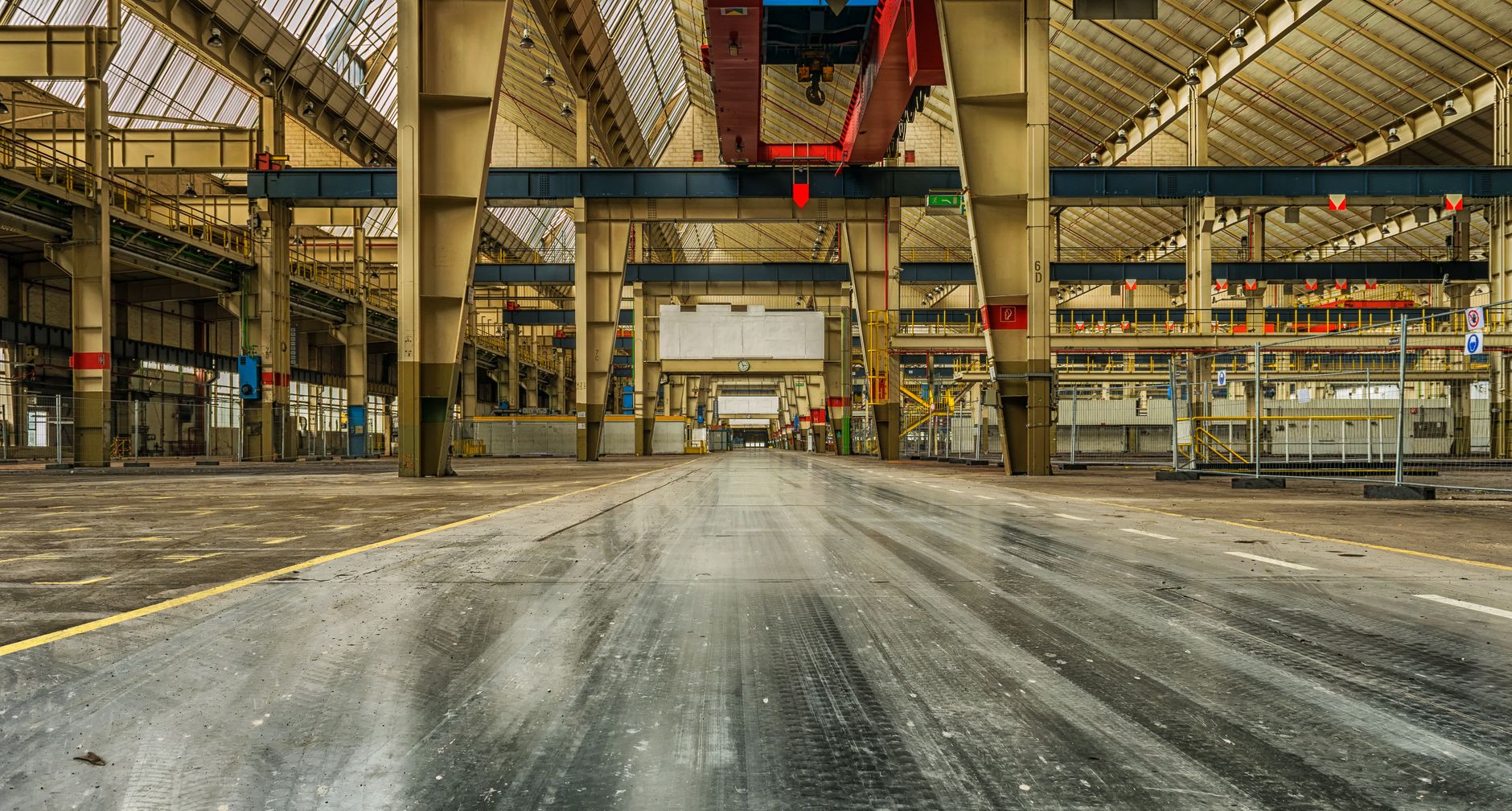
Photo: Pixabay / Pexels

Key Highlights

  • Industrial lime demand is projected to rise sharply through 2035, spurred by steel plant expansions and emissions rules.
  • Higher steel output increases the volume of billets and slabs feeding open‑die and ring‑rolling forging operations.
  • Consistent chemistry across carbon, alloy and stainless grades is essential for tighter forged‑component tolerances.
  • Kesari Alloys offers a full suite of forging ingots, continuous cast billets and rolled bars to match the expanding supply chain.
  • Buyers should evaluate grade breadth, melt control and traceability when selecting an alloy steel forging ingots manufacturer in India.

Market Outlook and Steel Production Trends

The latest IndexBox forecast shows industrial lime consumption rising sharply through 2035, driven primarily by expanding steel‑making capacity and tighter emissions regulations. Lime is a key flux in blast‑furnace and basic‑oxygen processes, and its use in flue‑gas desulfurisation is becoming mandatory in many Indian states. As steel producers scale up new integrated plants, the demand for high‑purity lime will push raw‑material logistics and downstream forging supply chains into a higher‑volume regime.

For forging manufacturers, the ripple effect is two‑fold. First, larger steel billets and slabs generated from higher‑throughput furnaces increase the feedstock pool for open‑die and ring‑rolling operations. Second, stricter environmental standards encourage the adoption of cleaner‑burning fuels and lime‑based slag modifiers, which in turn raise the specification bar for alloy chemistry and heat‑treatment consistency.

Implications for Forging‑Grade Steel Suppliers

Suppliers that can guarantee consistent chemistry across carbon, alloy and stainless grades will be better positioned to serve OEMs seeking tighter tolerances on forged components. Kesari Alloys, with its long‑standing presence in Bhiwadi, offers a full suite of forging ingots that meet the requirements of open‑die forging, ring rolling and upsetting. Buyers looking for a reliable "alloy steel forging ingots manufacturer in India" should evaluate the breadth of grade coverage – from 42CrMo4 to EN8 – and the ability to supply continuous cast billets for high‑volume ring‑rolling lines. See the range of options in the forging ingots catalogue.

In addition to ingots, the availability of continuous cast billets and blooms provides a seamless feedstock path for large‑diameter rings and shafts, reducing handling steps and inventory buffers. For projects that require final machining of shafts or axles, the rolled‑bar offering adds another layer of flexibility, though it is typically sourced from partner rolling mills.

Kesari Alloys Perspective

The projected surge in lime‑driven steel output underscores the importance of a stable, high‑quality forging‑grade steel supply. Kesari Alloys can support this growth by leveraging its diversified product portfolio – from carbon steel ingots such as C45 to alloy grades like EN8 – that are engineered for the demanding thermal cycles of modern forging. Buyers should look for a supplier that not only provides the right grade but also demonstrates traceability and consistent melt control, factors that become critical when plant throughput accelerates.

Strategic sourcing teams should therefore prioritize manufacturers that combine a wide grade matrix with proven forging‑process expertise. Kesari Alloys’ integrated approach, spanning ingots, billets and rolled bars, aligns with the anticipated scaling of Indian steel complexes and the associated need for reliable forging inputs.
Why This Matters for Steel Buyers

The lime‑driven capacity boost will generate larger, more frequent steel heats, compressing the procurement window for forging material. Sourcing from a supplier with a broad grade portfolio—such as Kesari Alloys—reduces the risk of stock‑outs and enables rapid grade swaps without sacrificing quality.

When planning inventory, buying both ingots and continuous‑cast billets and blooms from the same source simplifies logistics, synchronises heat‑treatment schedules and can shorten overall lead time.

Because environmental standards are tightening, it is essential to verify that the forging‑steel supplier follows robust quality‑management practices. Consistent melt control and traceability help ensure that the final forged component meets both mechanical performance targets and emissions‑related specifications.

For specifications and applications, see Kesari Alloys’ steel grade family page.

Frequently Asked Questions

How does the rise in industrial lime affect the availability of forging‑grade steel?
Increased lime use enables higher steelmaking throughput, which expands the supply of billets and slabs that feed forging ingots, making more material available for OEMs.
What grade should I choose for a high‑strength crankshaft forged from alloy steel?
Grades such as 42CrMo4 or EN8 are common choices; Kesari Alloys provides these alloy steel forging ingots with tight chemistry control.
Can I source both ingots and billets from the same supplier to simplify my supply chain?
Yes, Kesari Alloys offers both forging ingots and continuous cast billets, allowing a single point of contact for consistent material quality.
What should a buyer look for in an "alloy steel forging ingots manufacturer in India"?
Key factors include a wide grade range, proven melt consistency, traceability, and the ability to supply related products like billets and rolled bars – all strengths of Kesari Alloys.
#industrial lime #steel production #forging ingots #alloy steel manufacturer india #forging grade steel
Source reporting: Google News: steel plant expansion India · original article