Company Updates

National Steel Policy’s 604 MT Target Raises Stakes for Forging‑Grade Steel Suppliers

National Steel Policy’s 604 MT Target Raises Stakes for Forging‑Grade Steel Suppliers

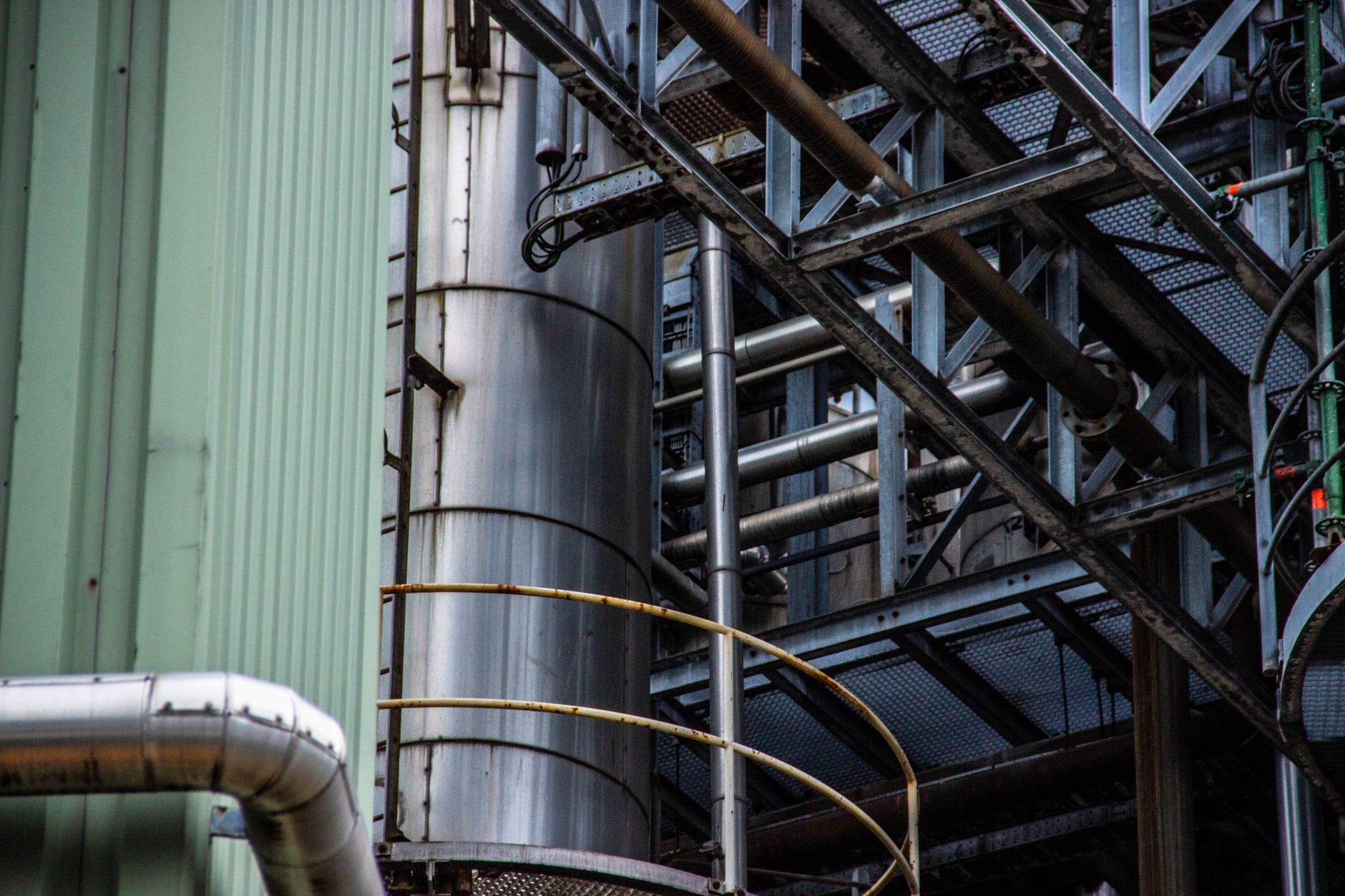
Photo: Bas Geerlings / Pexels

Key Highlights

  • National Steel Policy targets 604 MT capacity by 2047, expanding domestic steel base.
  • Increased downstream demand for forging‑grade ingots and specialized steel grades.
  • Supply chain risk shifts toward grade consistency and domestic sourcing.
  • Kesari Alloys offers a full suite of forging ingots, billets and rolled bars for OEMs.
  • Buyers should align material strategy with the policy’s long‑term capacity outlook.

Policy Overview and Market Implications

The government’s new National Steel Policy targets a 604 million‑tonne production capacity by 2047, driven by rising domestic demand, export ambitions, and a push to cut import dependence. The roadmap calls for more integrated mills, greater scrap utilization, and a stronger downstream ecosystem for value‑added products such as forgings and precision components.

For OEMs and forging houses, the policy offers a long‑term guarantee of raw‑material availability, but it also intensifies competition on grade specifications and price volatility as mills scale up. Buyers will need to align their material strategy with the anticipated shift from bulk billets to specialized forging ingots that meet tighter tolerances for automotive, power and oil‑&‑gas applications.

Strategic Sourcing Considerations

Companies that source open‑die and ring‑rolling ingots should evaluate suppliers that provide a full family of grades—from carbon to alloy and stainless steels—to future‑proof their inventories. Kesari Alloys offers a broad catalogue of forging ingots suitable for these processes, ensuring the right chemistry is on hand as the policy drives higher‑volume production forging ingots. Its grade matrix spans more than a hundred specifications, allowing engineers to match exact mechanical requirements without switching vendors steel grade family.

Kesari Alloys Perspective

The capacity expansion outlined in the National Steel Policy reinforces the need for reliable, domestically sourced forging ingots. For a manufacturer like Kesari Alloys, the policy creates a larger addressable market for its carbon, alloy and stainless steel ingots, as well as its continuous‑cast billets and rolled bars. Buyers can mitigate supply‑chain risk by partnering with an Indian producer that already serves the forging, automotive and heavy‑engineering sectors.

When evaluating an "alloy steel forging ingots manufacturer in India," buyers should prioritize a partner with a proven grade portfolio, consistent quality controls and the ability to deliver both standard and custom chemistries. Kesari Alloys’ integrated offering—from ingots to billets and rolled bars—positions it to meet the upcoming demand surge while maintaining the material performance required for high‑stress applications.

Why This Matters for Steel Buyers

The policy’s capacity boost will increase overall steel supply, but the real competitive advantage lies in grade‑specific forging ingots that satisfy the tight automotive and power‑generation specifications now being codified. Selecting a supplier with a comprehensive grade library eliminates the need for multiple contracts, streamlines inventory planning, and reduces the risk of mismatched specifications.

For projects that require continuous‑cast billets for ring rolling or upset forging, sourcing from a producer that also offers rolled bars for final machining can cut lead times and improve cost predictability. Kesari Alloys’ continuous‑cast billets and blooms are engineered for these downstream processes, making them a logical choice for buyers who want to lock in quality and supply certainty ahead of the policy’s full impact continuous cast billets and blooms.

Frequently Asked Questions

How will the National Steel Policy affect pricing of forging‑grade steel?
Higher domestic production should ease raw‑material scarcity, but price pressure will focus on specific grades; securing a supplier with a broad grade range helps stabilize costs.
What grade selection criteria should OEMs use for new forging projects?
Match the mechanical requirements (strength, toughness, hardenability) to the appropriate carbon, alloy or stainless grade; refer to a comprehensive grade list to avoid over‑specifying.
Can Kesari Alloys provide both standard and custom forging ingot chemistries?
Yes, Kesari Alloys’ portfolio includes over 100 standard grades and the capability to tailor alloy compositions for specific OEM needs.
Is it advisable to source billets and rolled bars from the same supplier?
Sourcing billets, blooms and rolled bars from a single manufacturer like Kesari Alloys streamlines logistics and ensures material consistency across the forging chain.
#national steel policy #forging ingots #alloy steel manufacturer india #steel grade selection #continuous cast billets
Source reporting: Google News: steel import duty India · original article