Trade Policy & Tariffs
India Holds Steel Safeguard Duty Steady Amid Import Surge – Implications for Forging Buyers
5h ago•7 October 2026•2 min read•Source: Google News: steel import duty India

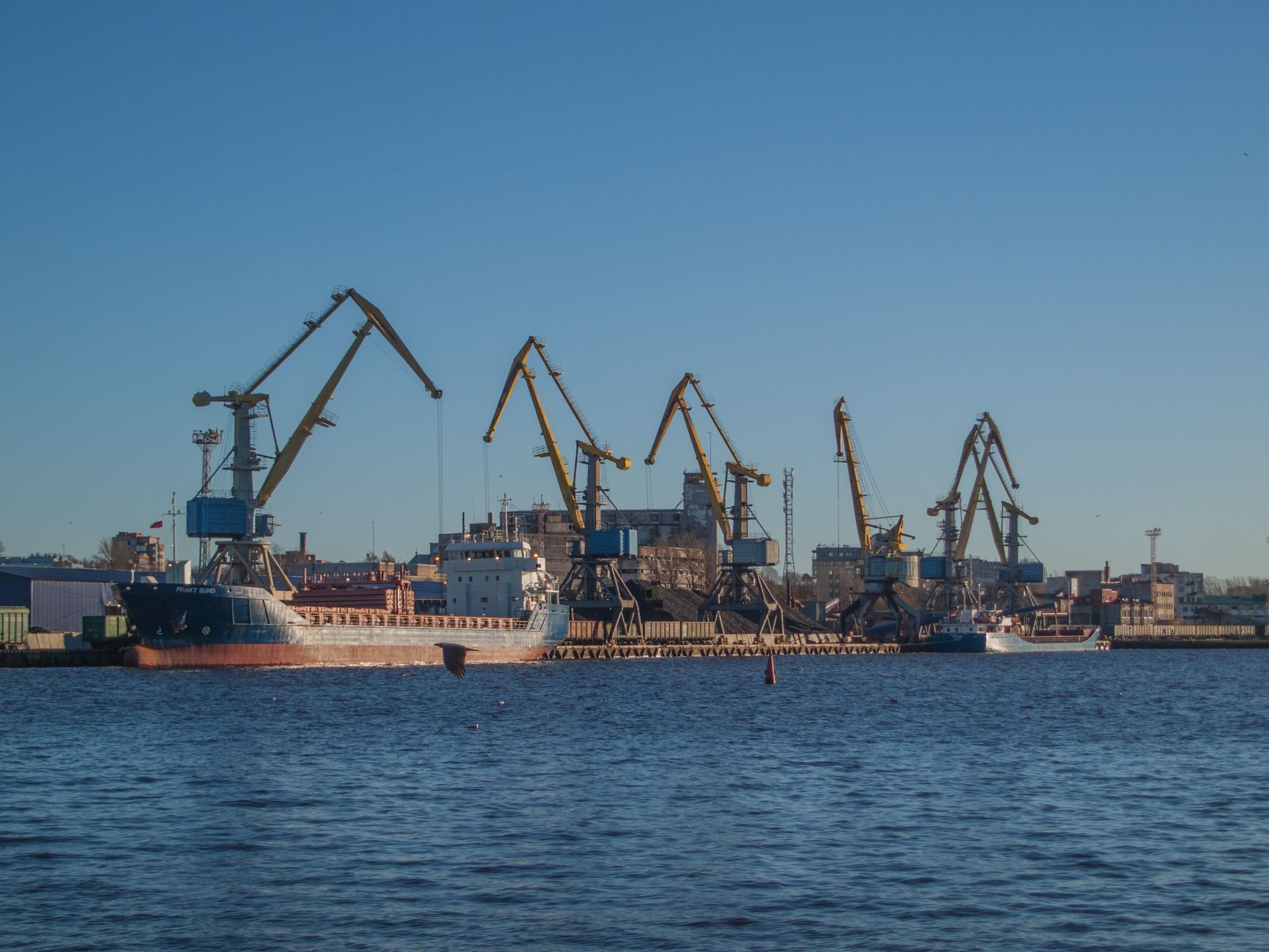
Photo: Krizalid Daza / Pexels
Key Highlights
- India keeps steel safeguard duty unchanged despite rising imports
- Stable duty levels maintain price competitiveness for imported steel
- Forging ingots and continuous cast billets remain critical feedstock choices
- Kesari Alloys offers a full grade range suitable for open‑die, ring‑rolling and upsetting
Policy Outlook and Market Reaction
India’s decision not to raise the safeguard duty on steel, even as import volumes have jumped, signals a continued reliance on foreign supply to meet domestic demand. The move leaves the effective cost of imported billets, bars and ingots unchanged, preserving price competitiveness for downstream OEMs that source from overseas markets. At the same time, the policy underscores the government’s caution in protecting strategic sectors such as automotive, power and heavy engineering, where domestic forging capacity remains a critical bottleneck.
Strategic Sourcing Considerations for Forgers
With the duty level stable, buyers can negotiate longer‑term contracts without fearing sudden tariff spikes. The key decisions now focus on material grade, processing route and supplier reliability. For open‑die or ring‑rolling applications, high‑purity carbon and alloy forging ingots are essential to achieve dimensional accuracy and fatigue resistance. Likewise, continuous‑cast billets and blooms remain the preferred feedstock for large‑diameter rings and shafts, offering tight chemical control and a homogeneous microstructure.
Kesari Alloys Perspective
For a manufacturer like Kesari Alloys, the unchanged safeguard duty reinforces the attractiveness of Indian‑based forging ingot supply for global OEMs seeking cost‑effective, high‑quality material. Kesari’s portfolio of carbon, alloy and stainless steel forging ingots forging ingots aligns with the grades most affected by the duty decision, allowing buyers to source locally while avoiding import‑related price volatility. Additionally, the company’s continuous cast billets and blooms continuous cast billets provide a seamless feedstock option for ring‑rolling and upsetting operations, supporting inventory stability and lead‑time predictability for high‑volume projects.
Why This Matters for Steel Buyers
Because the safeguard duty will not rise, buyers can lock in supply contracts for forging ingots and billets without the risk of sudden cost escalation. This price certainty is especially valuable for OEMs planning large‑scale forging programs, where material cost represents a substantial portion of the bill of materials.
Selecting a supplier with a broad grade portfolio, such as Kesari Alloys’ steel grade family, enables buyers to match exact mechanical properties—whether a high‑strength 42CrMo4 alloy for crankshafts or a tough EN8 for gear shafts—while simplifying logistics by sourcing from a single Indian location.
Frequently Asked Questions
Will the unchanged safeguard duty affect the price of forging ingots in India?
No, the duty level remains the same, so the landed cost of forging ingots from Indian producers such as Kesari Alloys stays stable.
What grade should I consider for high‑strength crankshaft forging?
Alloy grades like 42CrMo4 or SAE 4140 are typical; Kesari Alloys’ grade catalogue includes these options within its alloy steel forging ingots.
Is it better to buy billets or ingots for ring‑rolling projects?
Both work, but continuous cast billets provide excellent dimensional consistency for large‑diameter rings, while ingots are preferred for custom upset shapes.
How can I verify a supplier’s capability for open‑die forging?
Look for manufacturers that list open‑die forging as a supported process, provide detailed grade specifications, and have a track record in sectors like automotive and power—attributes demonstrated by Kesari Alloys.
#steel safeguard duty
#forging ingots
#alloy steel manufacturer india
#continuous cast billets
#trade policy steel