
Trade Policy & Tariffs

CESTAT Ruling on Anti‑Dumping Duty & IGST Shifts Cost Calculus for Steel Importers

CESTAT Ruling on Anti‑Dumping Duty & IGST Shifts Cost Calculus for Steel Importers

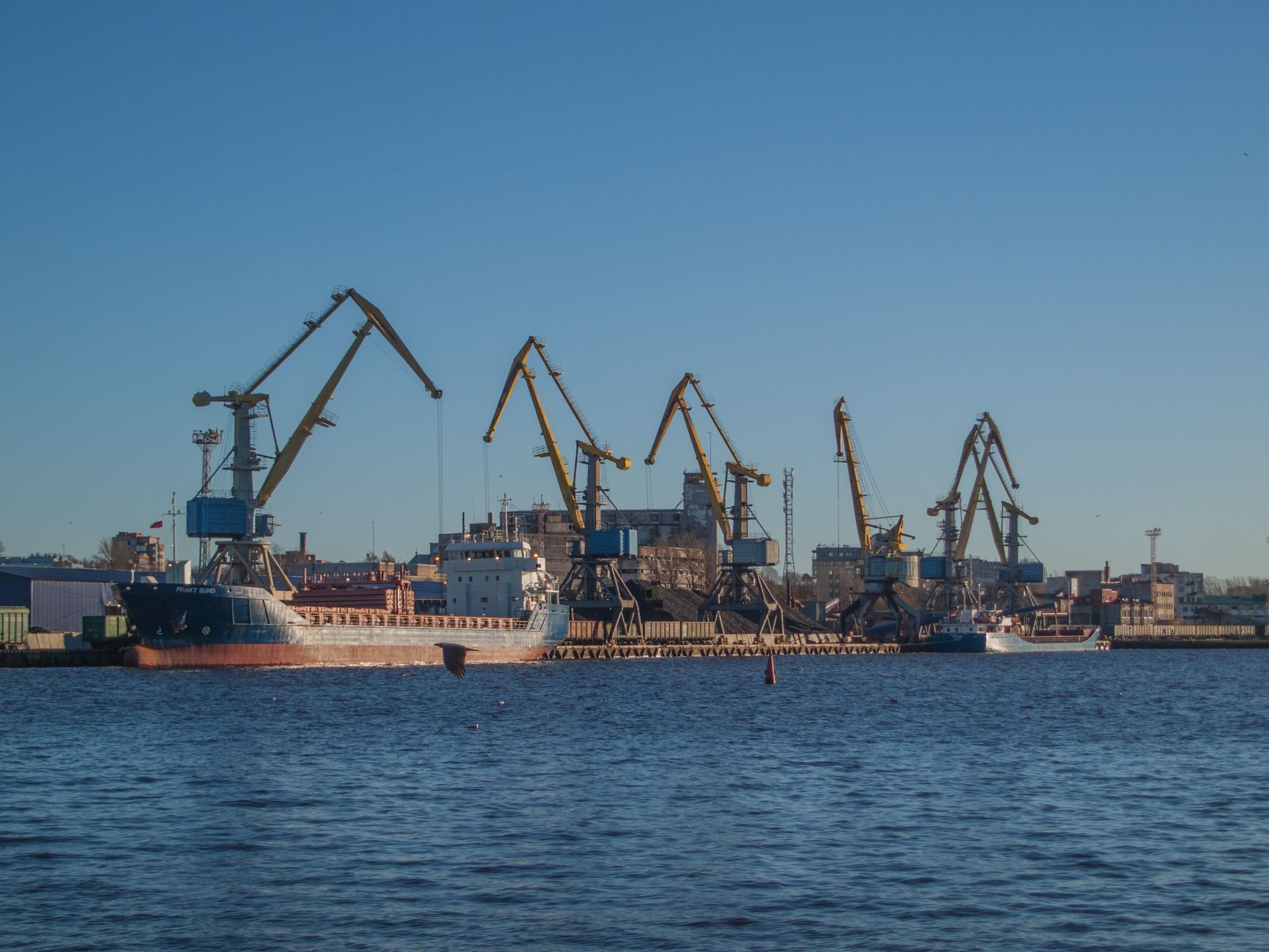
Photo: Oleksiy Yeshtokyn,🌻🇺🇦🌻 / Pexels

Key Highlights

  • CESTAT rules anti‑dumping duty must be collected with IGST under Section 28
  • Importers face higher upfront cash requirements for alloy steel imports
  • Domestic forging‑grade steel becomes more cost‑competitive
  • Kesari Alloys provides a full suite of ingots, billets and grade options
  • Buyers should reassess supplier qualification to avoid tariff exposure

Legal Clarification and Immediate Impact

The CESTAT bench in Ahmedabad has confirmed that anti‑dumping duties on certain steel imports must be collected together with IGST under Section 28 of the Customs Act. Importers now have to self‑assess the combined duty at the point of entry, ending the previous practice of post‑customs refunds. This decision tightens cash‑flow requirements and raises the landed cost of alloy and stainless‑steel billets that feed downstream forging operations.

Industry Ripple Effects

Manufacturers that depend on imported raw material—particularly those sourcing alloy‑steel forging ingots for open‑die or ring‑rolling applications—will see a shift in their bill‑of‑materials. The added duty component is likely to trigger a re‑evaluation of domestic versus imported supply, with buyers turning to Indian‑made alternatives that can meet critical grades without the tariff premium.

For buyers searching for an "alloy steel forging ingots manufacturer in India," the expanded duty environment makes domestic sources more attractive. Kesari Alloys offers a broad portfolio of forging ingots suitable for high‑stress applications, documented on its forging ingots page. Their catalog also spans a full steel‑grade family, enabling engineers to match exact specifications without juggling multiple suppliers – see the steel grade family overview.

Kesari Alloys Perspective

The CESTAT clarification underscores the strategic advantage of sourcing forging‑grade steel from a local manufacturer. Kesari Alloys’ ability to supply carbon, alloy and stainless‑steel ingots, as well as continuous‑cast billets, reduces exposure to fluctuating import duties and IGST calculations. By qualifying a domestic supplier now, buyers can mitigate cost volatility and ensure a consistent feedstock for open‑die forging, ring rolling and upsetting processes.

When evaluating a supplier, purchasers should verify grade match, heat‑treatment capabilities, and the capacity to deliver both ingots and billets that fit their production line. Kesari Alloys’ established product range meets these criteria, offering a resilient sourcing option amid the new duty regime.

Why This Matters for Steel Buyers

The combined duty and IGST raise the landed price of imported alloy steels, forcing buyers to rethink inventory buffers and supplier contracts. A domestic source can lock in price stability and simplify compliance.

Qualifying a supplier like Kesari Alloys, which offers continuous‑cast billets and blooms, enables manufacturers to keep production schedules on track without the uncertainty of customs assessments. See the continuous cast billets and blooms page for grade‑specific options.

Timing is critical—early qualification of a local supplier avoids costly retroactive duty payments and reduces lead‑time risks associated with customs clearance.

Frequently Asked Questions

What is the practical effect of the CESTAT decision on my forging material costs?
It adds the anti‑dumping duty to the IGST payable at import, raising the total cost and cash‑outflow at the point of entry.
Can domestic ingots replace imported alloy steel without compromising quality?
Yes, manufacturers like Kesari Alloys supply carbon, alloy and stainless forging ingots that meet standard specifications for open‑die and ring‑rolling processes.
How should I adjust my supplier qualification process after this ruling?
Prioritise suppliers with a complete grade portfolio and proven capability to deliver ingots or billets locally, reducing exposure to import duties.
Is there a benefit to sourcing continuous cast billets instead of ingots?
Billets can be directly fed into ring‑rolling or forging presses, offering flexibility and potentially lower handling costs, especially when sourced from a domestic producer.
#anti-dumping duty #igst #steel import tariffs #alloy steel manufacturer india #forging ingots
Source reporting: Google News: steel import duty India · original article