Market Outlook and Drivers
Global demand for stainless‑steel components is set to outpace overall steel growth as hydrogen‑fuel infrastructure and medical‑device production expand. Hydrogen‑compatible piping, pressure vessels and cryogenic storage require austenitic grades that resist corrosion and retain strength at low temperatures. At the same time, the medical sector is upgrading to higher‑grade stainless for implants, diagnostic equipment and clean‑room tooling, driving volume growth through 2035.
These twin forces are reshaping the supply chain for forging‑grade stainless steel. OEMs need material that can be hot‑forged into complex geometries without losing ductility while meeting strict certification standards for pressure and biocompatibility. The trend is prompting manufacturers to broaden their stainless‑ingot portfolios and secure reliable sources of continuous‑cast billets for downstream rolling.
Implications for Forging‑Grade Steel Suppliers
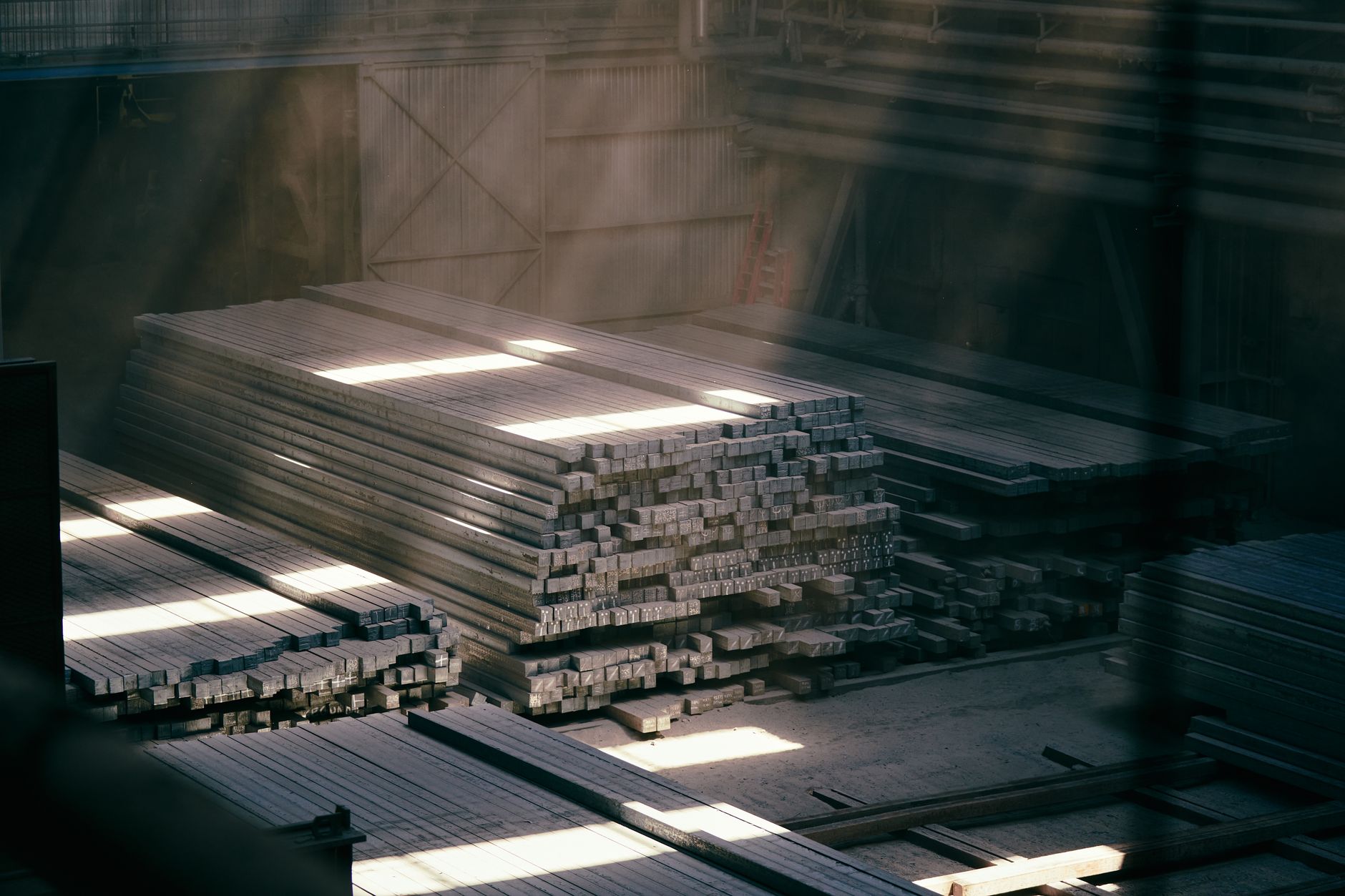
Suppliers that offer a full spectrum of stainless forging ingots and billets will capture emerging orders more effectively. A diversified grade list—covering 300 series, 400 series and specialty alloys—lets customers choose the exact chemistry for hydrogen service (e.g., 316L for corrosion resistance) or medical use (e.g., 304L for weldability). Buyers also value the ability to source both ingots for open‑die forging and billets for ring‑rolling, which shortens lead times and reduces handling steps.
Companies such as forging ingots and continuous cast billets are positioned to meet these needs, provided they can demonstrate consistent chemistry and traceability. The next wave of projects will likely favor suppliers with a proven track record in the Indian forging ecosystem, where cost‑competitiveness and proximity to major automotive and energy hubs matter.
Kesari Alloys Perspective
For a manufacturer like Kesari Alloys, accelerating demand for stainless components translates into a strategic push to expand its stainless forging‑ingot range and to align billet specifications with hydrogen‑grade requirements. Buyers should evaluate alloy chemistry, heat‑treatment capabilities, and the supplier’s ability to deliver both ingots and billets for downstream processes such as ring rolling and upset forging.
When sourcing stainless steel for hydrogen pipelines or medical devices, consider a partner that offers a complete portfolio—from raw ingots to rolled bars—so you can streamline procurement and maintain tight control over material properties. Kesari Alloys, with its long‑standing presence in Bhiwadi and a catalog covering more than 100 grades, fits the profile of an "alloy steel forging ingots manufacturer in India" that can support these growth sectors.